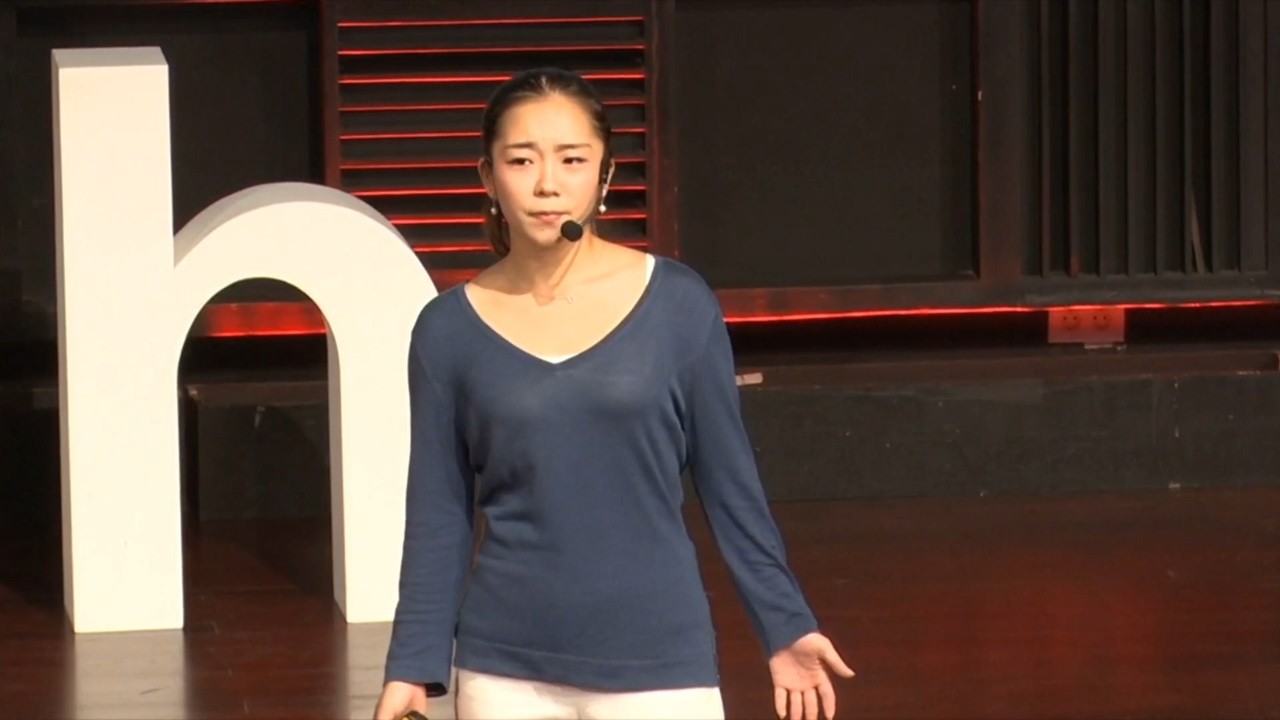
What AI Is Really Costing Us | Anna Matsuhisa | TEDxJIS Youth
Keywords
Summary
184 words
Critical Evaluation
The talk provides a valuable and accessible introduction to the environmental and social costs of AI, a topic that is often underrepresented in mainstream discussions. The speaker effectively uses concrete examples, such as the Memphis data center and the story of Beverly Morris, to humanize the issue and make it relatable. The inclusion of statistics, such as AI’s contribution to global carbon emissions and the water consumption projections, adds credibility, though the sources are not always explicitly cited within the talk. The argumentation is logically structured, moving from the general environmental impact to specific instances of environmental injustice and algorithmic bias, and finally to actionable steps for individuals. However, the talk has limitations. The speaker is a student, not an expert in the field, and the depth of technical analysis is limited. Some claims, such as the exact percentage of carbon emissions, are presented without precise sourcing, which could be a concern for a scientifically rigorous audience. The discussion of environmental racism, while important, is somewhat simplified and could benefit from a more nuanced exploration of the systemic factors. The section on algorithmic bias is brief and could be expanded to better connect with the environmental theme. The talk’s strength lies in its emotional appeal and call to action, which is appropriate for a TEDx Youth audience. The suggestions for responsible AI use are practical and reasonable, though they may have a limited impact on the systemic issues highlighted. Overall, the talk serves as an effective awareness-raising piece, but it is not a comprehensive scientific analysis. The adéquation between title and content is strong, as the title accurately reflects the focus on the costs of AI. The talk does not delve into potential solutions at a policy or industry level, which could be a missed opportunity. Despite these limitations, the talk is a valuable contribution to the conversation about AI’s hidden costs, particularly for a general audience.
317 words
Title / Content Match
The title accurately reflects the content, which focuses on the hidden costs of AI, particularly environmental and social impacts.
Quality & Reliability
6/10
The talk presents a compelling overview of AI's environmental and social costs, citing specific examples and reports. However, some statistics lack precise sourcing, and the speaker's perspective is that of a student advocate rather than a domain expert, which limits the depth of technical analysis.
Key Moments
Markers derived by PSI from the transcript: the creator did not define chapters.
- Introduction: Speaker reveals that her introduction was AI-generated, setting the theme.
- Discussion of AI's contribution to global carbon emissions (2.5-3.7%).
- Introduction of environmental racism and the placement of data centers in low-income areas.
- Example of Memphis, Tennessee data center and its impact on local community.
- Story of Beverly Morris and the impact of a Meta data center on her water supply.
- Discussion of algorithmic bias and its connection to systemic inequality.
- Four practical suggestions for responsible AI use.
Cited Sources
- TEDx Talks — The talk was given at a TEDx event, and this link provides general information about TEDx.
Concurring Sources
- The Guardian — Article on AI data centers' water and energy consumption, supporting the talk's claims.
- Tennessee Lookout — Report on the xAI supercomputer in Memphis and its environmental concerns.
Dissenting Sources
- Meta's response — Meta denies any connection between its data center and the water issues in Beverly Morris's area, as mentioned in the talk.
Contribution & Novelties
The talk brings attention to the often-overlooked environmental and social costs of AI, particularly focusing on environmental racism and the disproportionate impact on marginalized communities. It provides a personal and accessible perspective, making the issue relatable to a younger audience. The talk also offers practical, individual-level actions to mitigate these impacts.
Pour aller plus loin :
- AI’s environmental impact — Overview of AI’s environmental footprint.
- Environmental racism — Definition and examples of environmental racism.
- Data center water usage — EPA resource on water use in data centers.
87 words
Radar Profile
The radar profile shows moderate scores across all dimensions, with a relatively higher score in quantity of information and lower in technical level. This indicates a talk that is informative but not deeply technical, suitable for a general audience.
💬 No comments were provided for analysis.