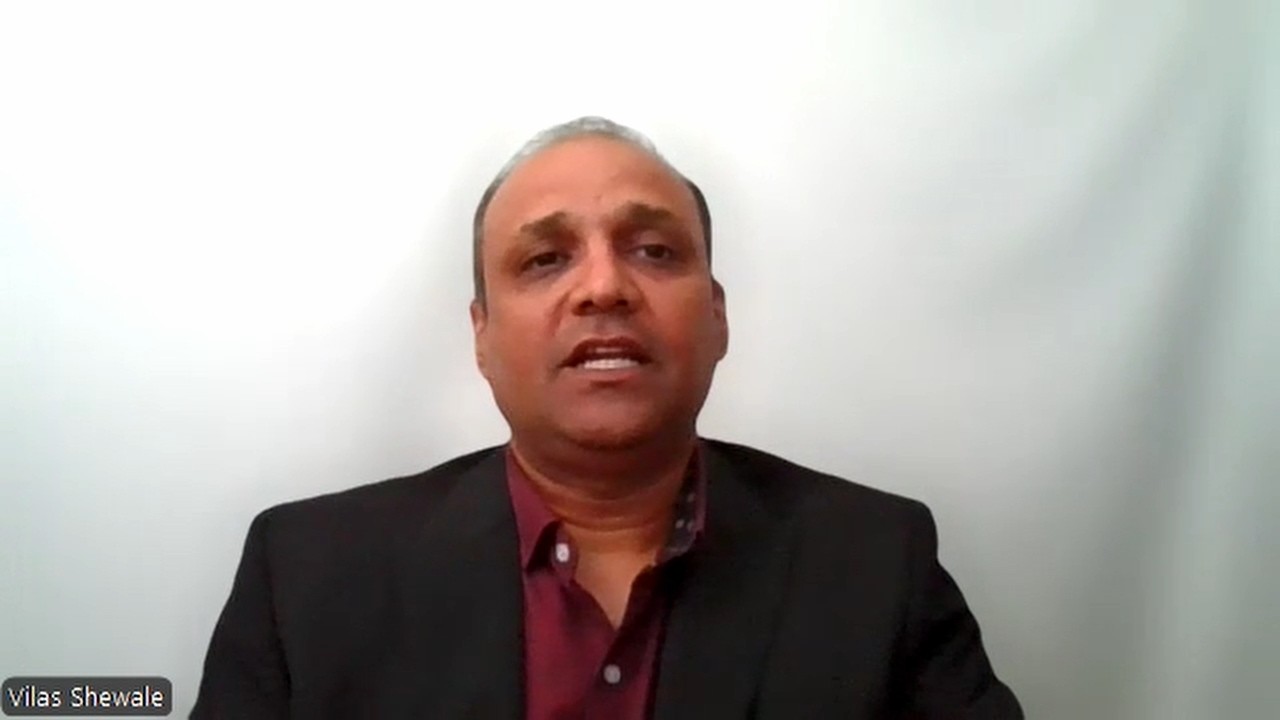
Has Your Trust Been Verified? | Vilas Shewale | TEDxWisdom World School Amanora
Keywords
Summary
137 words
Critical Evaluation
Value of the Information & Strength of the Argument
The talk provides valuable insights into the Zero Trust security model, using compelling real-world examples to illustrate the consequences of blind trust. The speaker’s 25 years of experience lend credibility, and his argumentation is clear and persuasive. He effectively contrasts the traditional perimeter-based security with Zero Trust, making a strong case for the latter. The emphasis on individual responsibility and practical steps (like enabling MFA) adds actionable value. However, the argumentation is somewhat high-level and lacks deep technical detail, which might limit its value for cybersecurity professionals.
Scientific Rigor, Source Quality, Title Accuracy
The speaker references several real-world cyber incidents (Ukraine 2015, Colonial Pipeline 2021, SolarWinds, and a 2026 nuclear plant attack) but does not provide specific citations or sources. The talk is based on his professional experience and observations, which adds practical credibility but limits academic rigor. The title ‘Has Your Trust Been Verified?’ is catchy and aligns well with the central theme of questioning trust. The content is consistent with the title, though it could be more focused on the verification aspect. The talk is a personal narrative rather than a systematic review, so the scientific rigor is moderate.
200 words
Title / Content Match
The title is engaging and directly relates to the core theme of questioning trust in cybersecurity, though it is somewhat broad.
Quality & Reliability
7/10
The speaker is a cybersecurity professional with 25 years of experience, providing practical insights and real-world examples. However, the talk is largely anecdotal and lacks detailed technical depth or citations to specific sources.
Key Moments
Markers derived by PSI from the transcript: the creator did not define chapters.
- Introduction and speaker's background
- Real-world examples of cyber attacks (Ukraine, Colonial Pipeline)
- Definition of Zero Trust and its principles
- Common assumptions that lead to vulnerabilities
- Personal experience implementing Zero Trust
- Three takeaways: question the default, verify before trust, make protection everyone's job
- Practical examples for individuals and organizations
- Call to action and conclusion
Cited Sources
- TEDx Program — The talk was given at a TEDx event, and the description links to the TEDx program page.
Concurring Sources
- NIST Zero Trust Architecture — The NIST guideline aligns with the speaker's description of Zero Trust principles.
Contribution & Novelties
The talk provides a compelling and accessible introduction to Zero Trust, emphasizing the human and organizational aspects often overlooked in technical discussions. It frames cybersecurity as a shared responsibility and offers practical steps for individuals. The speaker’s experience in critical infrastructure adds a unique perspective.
Pour aller plus loin :
- Zero Trust Architecture — Overview of the Zero Trust security model.
- NIST SP 800-207 — The NIST guideline on Zero Trust Architecture.
- Colonial Pipeline ransomware attack — Details on the 2021 attack mentioned in the talk.
86 words
Radar Profile
The radar profile shows high scores in information quantity and quality, reflecting the speaker's experience and clear presentation. The technical level is moderate, making it accessible to a broad audience. The overall reliability is good, though the lack of cited sources slightly lowers the score.