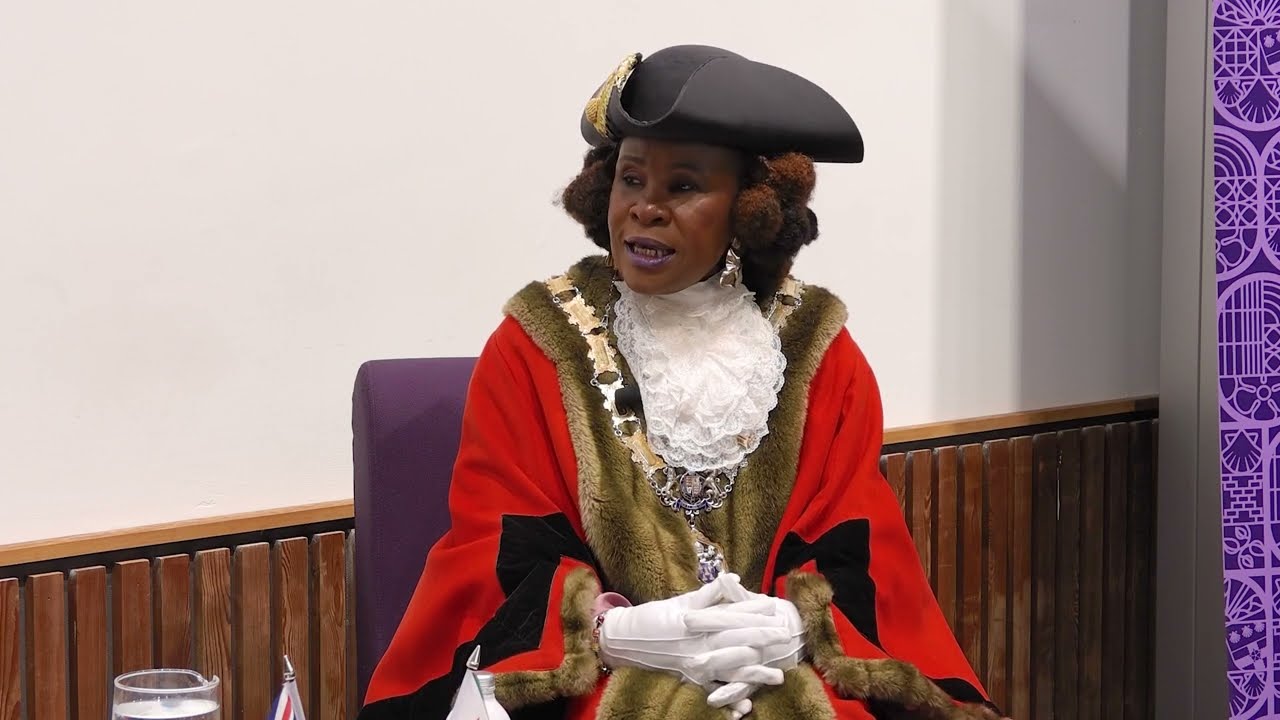
In Conversation with Dr Alice Mpofu-Coles - Annual Edith Morley Event 2026
Keywords
Summary
128 words
Critical Evaluation
Value of the Information & Strength of the Argument
The value of the information lies in the personal testimony and lived experience of Dr Alice Mpofu-Coles, which provides unique insights into the refugee experience, the challenges of integration, and the importance of community support. Her narrative is compelling and authentic, offering a human perspective on broader social issues. The argumentation is primarily anecdotal, relying on personal stories rather than systematic evidence. While this is appropriate for an inspirational talk, it limits the scientific rigor. The discussion on inequalities and women’s rights is grounded in real-world observations, but lacks empirical data or references to research. Overall, the value is high for its inspirational and educational content, but the argumentation is not scientifically rigorous.
Scientific Rigor, Source Quality, Title Accuracy
The video is produced by the University of Reading, an institution with academic credibility. However, the content is an informal conversation, not a scholarly presentation. No specific sources are cited within the video, and the description only provides links to the university’s social media. The title accurately reflects the content, as it is indeed a conversation with Dr Alice Mpofu-Coles. The event is named after Edith Morley, a historical figure, and the discussion draws parallels between her experiences and those of the guest. The lack of explicit citations and the anecdotal nature of the content reduce the scientific rigor, but the institutional context and the guest’s credentials add some credibility.
238 words
Title / Content Match
The title accurately reflects the content: a conversation with Dr Alice Mpofu-Coles as part of the Edith Morley event.
Quality & Reliability
7/10
The video is an institutional event featuring a distinguished guest with lived experience and academic credentials. The content is anecdotal and personal, not peer-reviewed, but the speaker's background and the institutional context lend credibility. The discussion touches on social issues but lacks rigorous data or citations.
Key Moments
Markers derived by PSI from the transcript: the creator did not define chapters.
- Introduction by Elizabeth McCrum, Pro Vice-Chancellor, welcoming attendees and introducing the Edith Morley event.
- Elizabeth McCrum highlights the contributions of notable women associated with the University of Reading, including Edith Morley, Viola Klein, Polly Vacher, and Lady Eve Balfour.
- Dr Alice Mpofu-Coles begins her conversation, drawing parallels between her experiences and those of Edith Morley.
- Alice discusses the inspirational women in her life, including her mother and feminist mentors in Reading.
- Alice shares her childhood memories growing up in Zimbabwe, including the challenges of poverty and the loss of her family members.
- Alice talks about her diplomatic career, including her postings in Belgrade and Mozambique, and her experiences during times of conflict.
- Alice explains her transition to academia and her research interests in refugees, inequalities, and participatory research.
- Alice discusses the challenges faced by refugees and asylum seekers in the UK, including housing and integration issues.
- The conversation turns to the importance of community engagement and the role of women in driving social change.
- Q&A session with the audience, where Alice answers questions about her experiences and offers advice.
Cited Sources
- University of Reading social media links — Description of the video provides links to the university's social media channels.
Concurring Sources
- Edith Morley - Wikipedia — Provides background on Edith Morley, the event's namesake.
Contribution & Novelties
The video provides a unique personal narrative from Dr Alice Mpofu-Coles, the first Black female mayor of Reading, offering insights into the intersection of race, gender, and refugee experiences. Her story highlights the importance of community support and the challenges of integration. The discussion also draws parallels with historical figures like Edith Morley, emphasizing the ongoing struggle for gender equality.
Pour aller plus loin :
- Edith Morley — Historical context on the first female professor in England.
- Soil Association — Founded by Lady Eve Balfour, relevant to sustainable agriculture.
- Participatory action research — A methodology mentioned by Alice in her academic work.
102 words
Radar Profile
The radar profile shows moderate scores across all dimensions, with slightly higher scores in quality and reliability due to the institutional context and guest's credentials. The low technical level reflects the non-technical nature of the discussion.
💬 No comments were provided for analysis.