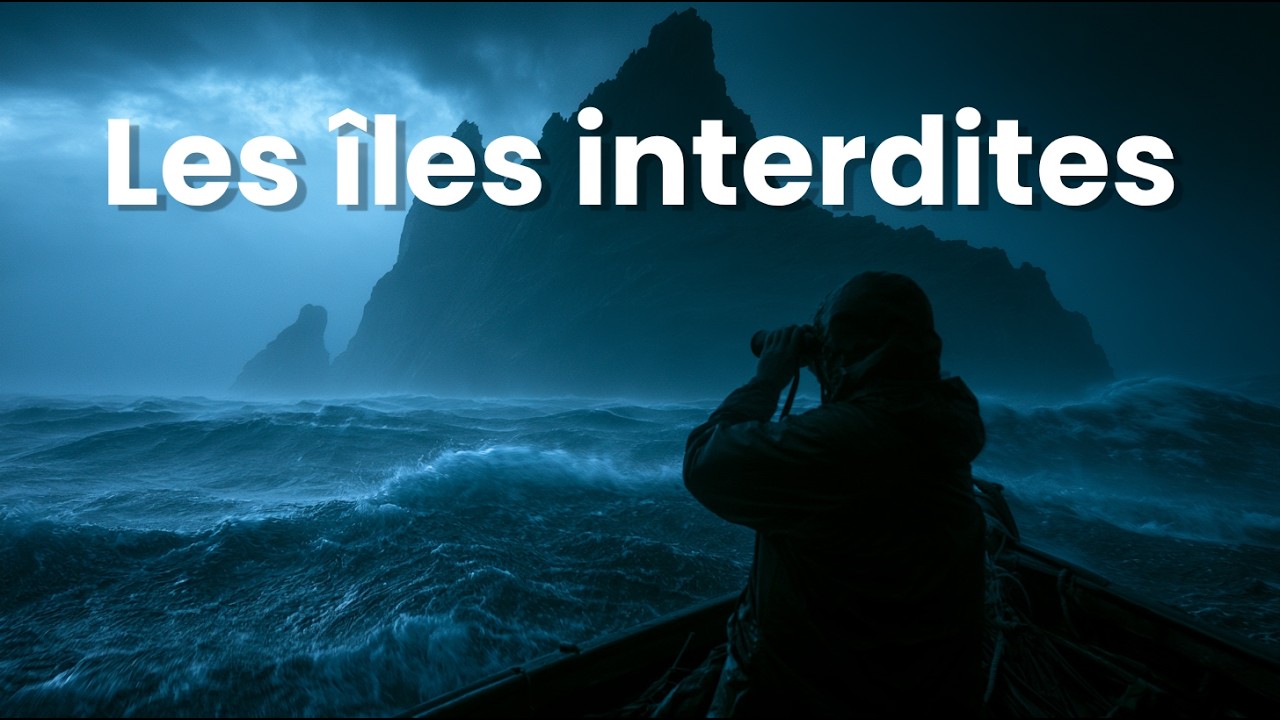
Les îles interdites aux humains
Keywords
Summary
150 words
Critical Evaluation
The documentary excels in providing a visually stunning and scientifically informative portrayal of the Crozet Archipelago. The filmmaker’s immersive approach, combined with collaboration with scientific institutions like TAAF and IPEV, lends credibility to the content. The information presented is accurate and well-researched, with clear explanations of animal behaviors and ecological adaptations. The argumentation is solid, relying on firsthand observations and expert input. The sources cited, including official TAAF websites and CNRS press releases, are reliable and directly relevant. The title accurately reflects the content, focusing on the islands’ inaccessibility and their role as wildlife sanctuaries. The documentary’s strength lies in its ability to convey the awe and fragility of these ecosystems, while also addressing conservation concerns. The only minor weakness is the lack of in-depth discussion on specific threats like climate change, but this does not detract significantly from the overall quality. The public comments reflect a highly positive reception, with viewers expressing emotional appreciation and admiration for the filmmaker’s work. The documentary stands out for its authenticity and poetic narration, offering a rare glimpse into a world few will ever see.
182 words
Title / Content Match
The title accurately reflects the content, focusing on remote islands closed to humans and their unique wildlife.
Quality & Reliability
9/10
High-quality documentary with firsthand footage, collaboration with scientific institutions (TAAF, IPEV), and references to official sources. The content is well-researched and presents scientific data accurately.
Chapters
- L'archipel de crozet, les îles sanctuaires perdues dans l'océan austral
- L'arrivée sur base,
- Les îles de l'innocence animale
- Les colonies de Manchots royaux
- 50 millions d'oiseaux
- Les éléphants de mer du sud
- Des plongeurs exceptionnels
- L'isolation, le risque, la logistique
- L'exploitation de ces territoires isolés
- L'énigme des orques de crozet
- La disparition d'une mégapole animale
- Le départ, la mythique île de l'Est
- Terra incognita et de terribles naufrages
- Direction Kerguelen
Cited Sources
- TAAF official website — Official site of the French Southern and Antarctic Lands, providing information about the territories.
- Mission scientifique à la recherche des causes du déclin de la plus grande colonie de manchots royaux au monde — Article about a scientific mission investigating the decline of the largest king penguin colony.
- Près de 90% de la plus grande colonie de manchots royaux au monde a disparu — CNRS press release about the drastic decline of the largest king penguin colony.
Concurring Sources
- TAAF official website — Confirms the existence and management of the territories.
- CNRS press release — Supports the mention of the decline in king penguin colonies.
Contribution & Novelties
The documentary provides a unique and immersive perspective on the Crozet Archipelago, combining stunning visuals with scientific insights. It offers a rare glimpse into the lives of king penguins and elephant seals, highlighting their adaptations and the importance of these islands as sanctuaries. The film also emphasizes the lack of fear in wildlife due to the absence of terrestrial predators, a key ecological point.
Pour aller plus loin :
- King penguin — Overview of the species, its biology, and distribution.
- Southern elephant seal — Detailed information on the largest seal species.
- French Southern and Antarctic Lands — Background on the territories and their governance.
104 words
Radar Profile
The radar profile shows high scores in quantity and quality of information, reflecting the documentary's rich content and reliable sources. The technical level is moderate, suitable for a general audience, while the overall reliability is strong due to institutional backing.
💬 Très positif. Sur les 30 commentaires analysés, les spectateurs expriment une admiration unanime pour la beauté du documentaire et la qualité du travail, avec des remerciements appuyés et des témoignages personnels d'anciens résidents.