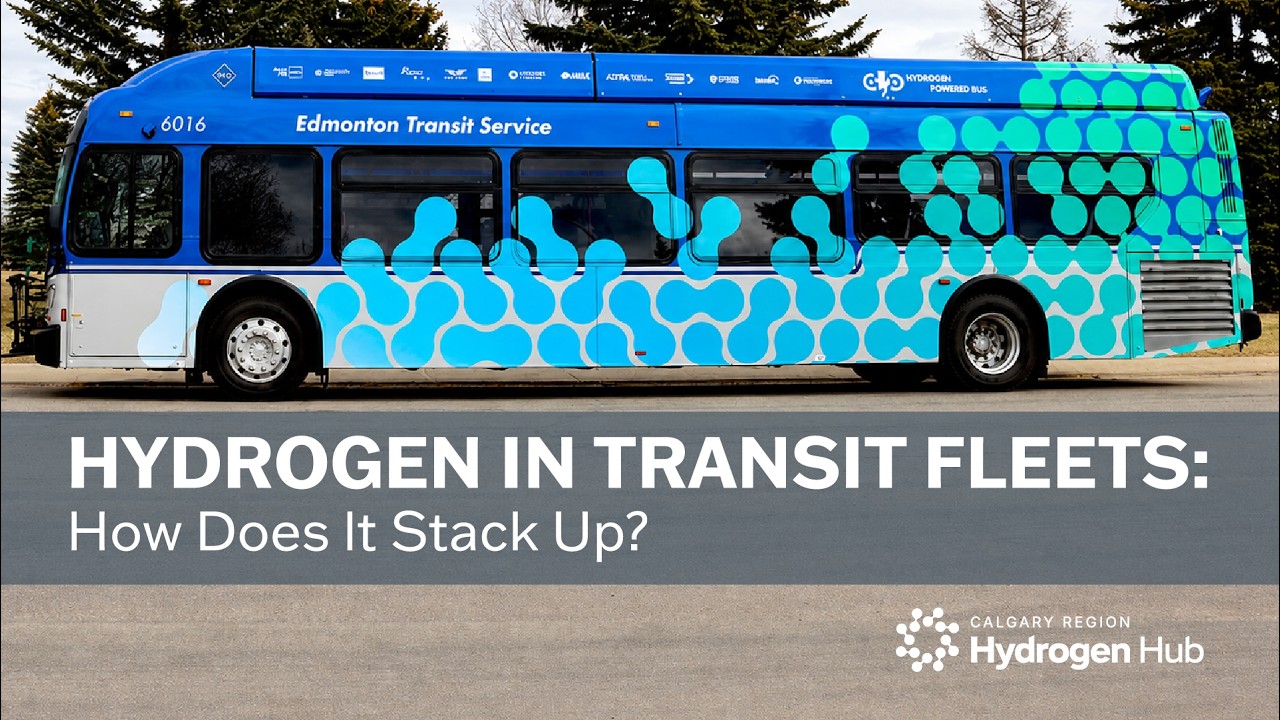
Hydrogen in Transit Fleets: How Does it Stack Up?
Keywords
Summary
157 words
Critical Evaluation
Value of the Information & Strength of the Argument
The webinar provides valuable insights from a real-world demonstration project, offering practical data on the performance of hydrogen and battery-electric buses in cold climates. The argumentation is solid, based on empirical data collected over several years and across multiple municipalities. The speakers present a balanced view, acknowledging both the benefits and challenges of each technology. They emphasize that there is no one-size-fits-all solution and that the choice depends on specific operational requirements, infrastructure, and climate. The discussion of infrastructure costs, power requirements, and codes and standards adds depth to the analysis. However, the presentation is primarily descriptive, and some claims could be supported by more detailed data or references.
Scientific Rigor, Source Quality, Title Accuracy
The webinar demonstrates scientific rigor by presenting data from a structured research project with clear methodology. The sources cited include the SAE J2601-2 standard and the CSA B41 series codes, which are relevant and authoritative. The title accurately reflects the content, which focuses on comparing hydrogen fuel cell buses with other technologies in transit fleets. The presentation is well-organized, and the speakers are credible experts. However, the webinar format limits the depth of technical detail, and some claims are presented without explicit citations. The adéquation between title and content is strong, as the webinar directly addresses the performance of hydrogen in transit fleets.
227 words
Title / Content Match
The title accurately reflects the content, which focuses on comparing hydrogen fuel cell buses with battery-electric and diesel buses in transit fleets, particularly in cold climates.
Quality & Reliability
8/10
The webinar presents data from a real-world study (Alberta Zero Emission Hydrogen Transit Project) with over 350,000 km of operational data, involving multiple municipalities and academic partners. The speakers are experts in the field, and the content is grounded in practical experience. However, the presentation is a webinar, not a peer-reviewed publication, and some claims lack detailed citations.
Key Moments
Markers derived by PSI from the transcript: the creator did not define chapters.
- Introduction to the webinar and housekeeping.
- Overview of the Alberta Zero Emission Hydrogen Transit project.
- Comparison of bus technologies: diesel, hybrid, hydrogen fuel cell, battery electric.
- Infrastructure requirements and costs for different fuel types.
- Discussion of codes and standards for hydrogen and electric vehicles.
- Presentation of study data on bus performance in cold climates.
- Q&A session with panelists.
Cited Sources
- SAE J2601-2 — Standard for heavy-duty hydrogen refueling.
- CSA B41 series — Canadian standards for hydrogen and electric vehicle maintenance facilities.
Concurring Sources
- Fuel Cell Electric Buses — General information on fuel cell buses.
- Hydrogen Infrastructure — General information on hydrogen infrastructure.
Contribution & Novelties
The webinar provides unique insights from a comprehensive real-world study of hydrogen buses in a cold climate, which is a relatively under-researched area. It offers practical data on energy consumption, infrastructure requirements, and operational challenges that can inform transit agencies considering hydrogen technology. The study’s comparative approach, including diesel and battery-electric buses, adds value by providing a holistic view of the options.
Pour aller plus loin :
- Fuel Cell Electric Buses — Overview of fuel cell bus technology and deployments.
- Hydrogen Infrastructure — Discussion of hydrogen production, storage, and distribution.
- Battery Electric Bus — Overview of battery-electric bus technology and challenges.
101 words
Radar Profile
The radar profile shows high scores in information quantity, quality, and reliability, with a slightly lower technical level, indicating a comprehensive and credible presentation that is accessible to a broad audience.