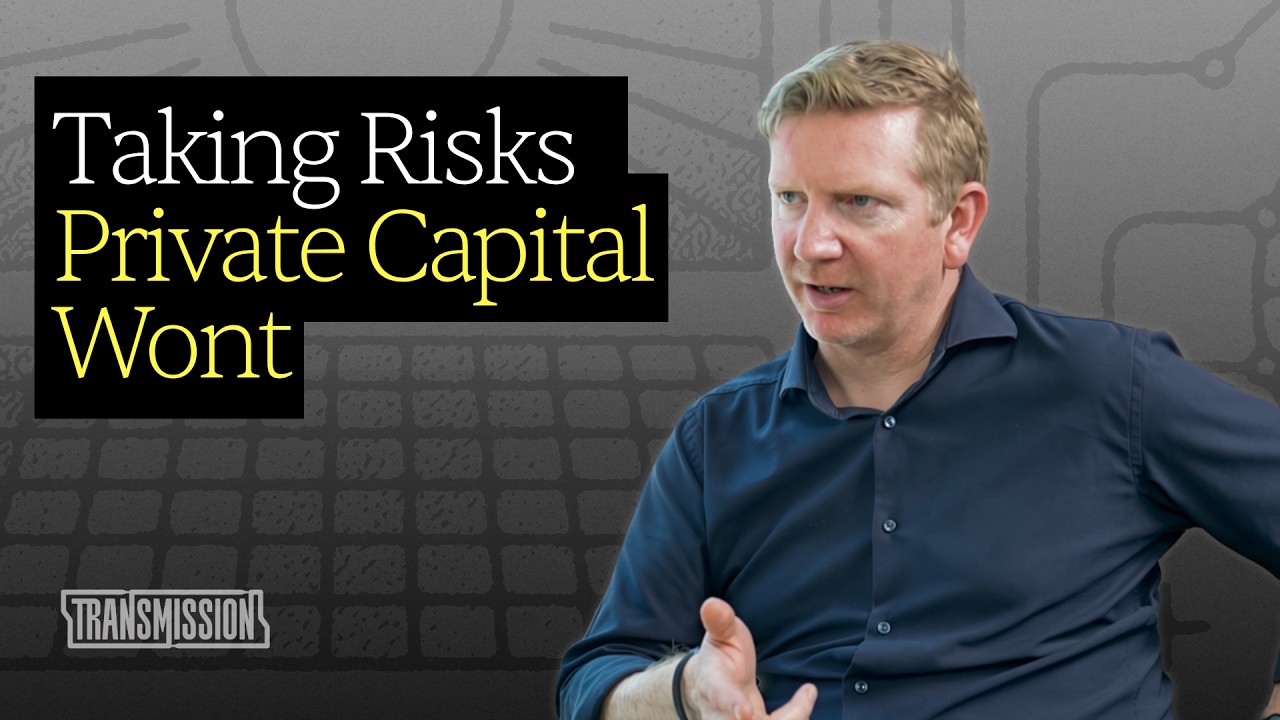
What Does A State-Backed Energy Company Actually Do? - GB Energy
Keywords
Summary
162 words
Critical Evaluation
Value of the Information & Strength of the Argument
The value of the information is high, as it provides direct insights from the CEO of a newly formed state-backed energy company, clarifying its strategic direction and operational approach. The argumentation is coherent and well-structured, with McGrail articulating a clear rationale for the ‘activist investor’ model, distinguishing it from both pure private profit-maximizing and traditional government intervention. He supports his points with concrete examples, such as the Hull hospital solar project and the 50GW of inbound inquiries, which lend credibility to his claims. However, the discussion is largely promotional, and the arguments are presented from a single perspective without critical counterpoints, which limits the depth of critical evaluation.
Scientific Rigor, Source Quality, Title Accuracy
The scientific rigor is moderate; the content is based on the CEO’s testimony and specific project examples, but no external sources or data are cited beyond anecdotal evidence. The quality of sources is limited to the interview itself and the company’s own claims. The title accurately reflects the content, focusing on the role of a state-backed energy company. The discussion is relevant and timely, but the lack of independent verification and the promotional nature of the interview reduce its overall rigor.
204 words
Title / Content Match
The title accurately reflects the content, which focuses on the role and activities of GB Energy, a state-backed energy company.
Quality & Reliability
8/10
The interview features the CEO of GB Energy, providing authoritative insights into the company's strategy and operations. The discussion is grounded in specific examples and data, such as the Hull hospital solar project and the 50GW of unsolicited investment inquiries. However, as a promotional and strategic discussion, it lacks independent verification and critical scrutiny.
Chapters
- £1m Solar Saving At A Hull Hospital
- Guest Introduction: Dan McGrail, CEO Of GB Energy
- GB Energy's Company Model And DESNZ Ownership
- Investment Committee Discipline Vs Government Thinking
- The "Frontiers" Strategy Explained
- Floating Wind And The Deepwater Frontier
- ScotWind, Rising Costs And Investor Confidence
- Three Strategic Pillars: Offshore, Onshore, Local
- Public Entrepreneurship Vs Maximising Profit
- The Siemens Story: Why Private Capital Wants In
- 50GW Of Unsolicited Investment Enquiries
- Electrically Qualified Workers And The Skills Gap
- Shapinsay's Community-Owned Wind Turbine
- Solar On Hospitals And Schools
- Balancing Solar With Battery Storage
- GB Energy's £8.3 Billion Budget: Progress So Far
- Contrarian View: Industrial Legacy Over Cheap Energy
Cited Sources
- Modo Energy sign-up page — Mentioned as a resource for questions about battery, solar, and wind build-out.
- Transmission podcast transcript — Provided as a transcript of the episode.
Concurring Sources
- UK Government: Great British Energy — Official government page providing information on GB Energy's establishment and objectives.
Contribution & Novelties
The interview provides an insider perspective on the strategy and operations of GB Energy, a newly established state-backed energy company. It clarifies the ‘activist investor’ model and its application to energy frontiers, offering insights into how public capital can complement private investment. The discussion on community energy and the 50GW of unsolicited inquiries highlights the market’s appetite for state-backed risk-sharing.
Pour aller plus loin :
- Great British Energy — Overview of the company’s establishment and objectives.
- Offshore wind power in the United Kingdom — Context on the UK’s offshore wind development and challenges.
- Long-duration energy storage — Background on technologies and their role in the energy transition.
107 words
Radar Profile
The radar profile shows high scores in information quantity and quality, reflecting the detailed and authoritative content. The technical level is moderate, indicating accessibility to a general audience. The overall reliability is high due to the insider perspective, but the lack of independent sources slightly reduces the score.