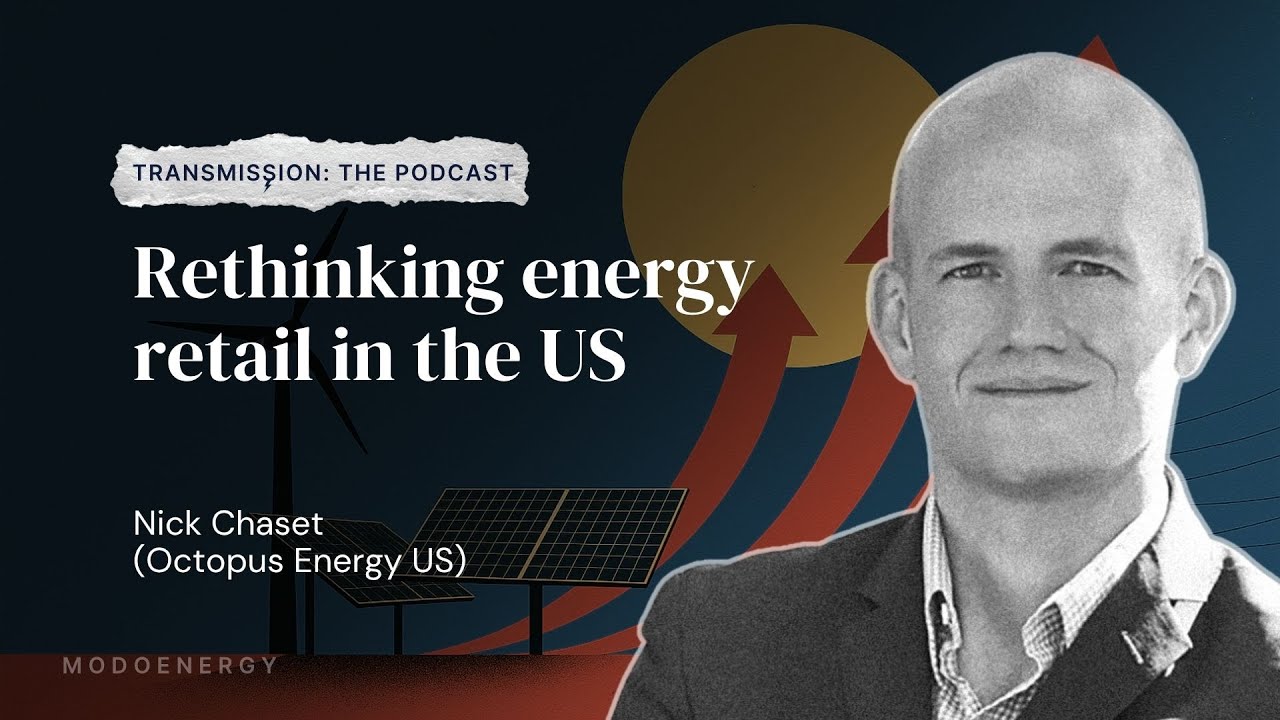
Can Smarter Utilities Help Reduce Your Energy Bills?
Keywords
Summary
165 words
Critical Evaluation
Value of the Information & Strength of the Argument
The interview provides valuable insights into the practical strategies of a leading energy retailer, particularly the dual-market approach and the role of technology in enabling flexibility. The argumentation is coherent, with Chaset clearly explaining the logic behind Octopus’s business model and the benefits of the Kraken platform. However, the discussion is largely promotional, with limited critical examination of potential drawbacks or challenges. The claims about cost savings and customer benefits are presented without detailed evidence, relying on anecdotal examples. The argument for regulatory reform is persuasive but one-sided, lacking consideration of opposing viewpoints.
Scientific Rigor, Source Quality, Title Accuracy
The scientific rigor is moderate. The interview is based on the expertise of the guest, but no specific data or studies are cited. The sources mentioned are primarily Octopus Energy’s own materials and the company website. The title is somewhat sensationalized but broadly aligns with the content, which discusses how smarter utilities can reduce bills through technology and flexibility. The adequacy between title and content is acceptable, though the title could be more precise.
182 words
Title / Content Match
The title is somewhat broad and catchy, but the content does address how smarter utilities (via technology like Kraken) can reduce bills through flexibility and efficiency.
Quality & Reliability
7/10
The interview features a senior industry executive (CEO of Octopus Energy US) discussing company strategies and market observations. Claims are generally plausible and align with known industry trends, but lack detailed data or citations. The discussion is largely anecdotal and promotional, with limited critical examination.
Key Moments
Markers derived by PSI from the transcript: the creator did not define chapters.
- Introduction of Nick Chaset and his dual role at Octopus Energy.
- Discussion of the US energy market structure and Octopus's strategy in Texas vs. regulated states.
- Explanation of the B2B2C model in California and partnership with Southern California Edison.
- Overview of the Kraken platform's history and its adoption by UK utilities.
- Discussion of customer service improvements using AI and Magic Ink.
- Exploration of consumer flexibility programs and EV charging optimization.
- Discussion on billing complexity and Kraken's adaptability across jurisdictions.
Cited Sources
- Octopus Energy US — Mentioned as the company's website for more information on their US operations.
Concurring Sources
- Octopus Energy Group — Official group website, consistent with the company's claims.
Contribution & Novelties
The interview provides an insider perspective on how a major energy retailer is adapting its successful European model to the complex US market. It highlights the importance of technology platforms like Kraken in enabling customer-centric services and flexibility. The discussion of the B2B2C model and partnerships with utilities offers a novel approach for regulated markets.
Pour aller plus loin :
- Demand response — Relevant to the flexibility programs discussed.
- Time-of-use tariff — Key concept for optimizing consumer energy use.
- Virtual power plant — Related to aggregating distributed energy resources.
89 words
Radar Profile
The radar profile shows relatively balanced scores, with slightly higher marks for information quantity and technical level, reflecting the interview's depth. The lower score for reliability suggests a need for more rigorous evidence and external validation.
💬 No comments were provided for analysis.