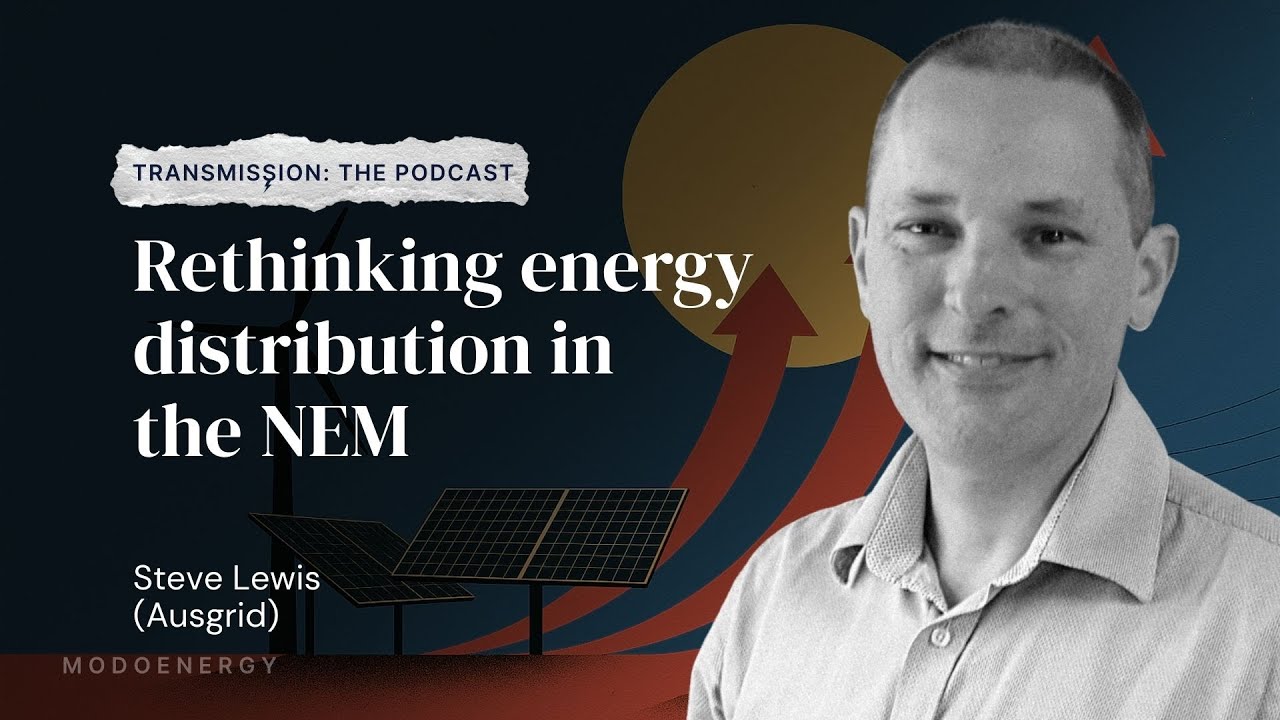
Rethinking energy distribution in the NEM with Steve Lewis (Ausgrid)
Keywords
Summary
206 words
Critical Evaluation
Value of the Information & Strength of the Argument
The value of the information is high for those interested in the practical implementation of community energy models. Lewis provides concrete details about the trial, including the size of batteries (half a megawatt), the proposed feed-in tariffs, and the selection of trial areas. The argumentation is coherent and well-structured, presenting a clear rationale for why DNSPs should take on the role of orchestrators. He addresses potential criticisms, such as market distortion, by explaining the safeguards in place, including competitive tendering and the involvement of a commercial trading partner. However, the argumentation is one-sided, as it comes from a project advocate, and lacks independent analysis or counterpoints.
Scientific Rigor, Source Quality, Title Accuracy
The scientific rigor is moderate. The discussion is based on the speaker’s expertise and direct involvement in the project, which lends credibility. However, no external sources or data are cited to support the claims, and the episode serves partly as a promotional piece for Ausgrid’s trial. The title accurately reflects the content, focusing on rethinking energy distribution. The adequacy between title and content is good, as the episode indeed explores new models for distribution networks. No comments were provided for analysis.
202 words
Title / Content Match
The title accurately reflects the content, focusing on rethinking energy distribution in the NEM with a specific emphasis on community power networks.
Quality & Reliability
7/10
The discussion features an expert from Ausgrid with direct involvement in the project, providing credible insights. However, it is largely promotional and lacks independent verification or critical analysis.
Key Moments
Markers derived by PSI from the transcript: the creator did not define chapters.
- Introduction to the topic and guest Steve Lewis.
- Explanation of Ausgrid's role and the Community Power Network trial.
- Discussion on the equity problem and how the trial addresses it.
- Details on the operation of community batteries and feed-in tariffs.
- The role of DNSPs in orchestrating local energy resources.
- Potential for grid-forming inverters and islanding during outages.
- Other Ausgrid initiatives: community batteries, dynamic tariffs, EV charging.
- Comparison with other DNSP projects globally and the unique orchestration approach.
- Regulatory challenges and the need for waivers to own batteries.
Cited Sources
- Ausgrid Community Power Networks — Official page for the Community Power Network trial, mentioned by the guest.
- Energy Academy Australia — Linked in the description as a resource for understanding the NEM.
Concurring Sources
- Ausgrid Community Power Networks — Official page supporting the trial details discussed.
Contribution & Novelties
The episode provides a detailed look at a novel approach to community energy sharing, where a DNSP orchestrates local solar and storage to benefit all customers, including those without rooftop access. This model could significantly increase local solar uptake and reduce network constraints. The discussion also highlights the regulatory barriers and potential solutions, such as the use of waivers and total expenditure (totex) frameworks.
Pour aller plus loin :
- Distributed energy resources — Background on DERs and their integration.
- Virtual power plants — Related concept of aggregating distributed resources.
- Australian Energy Regulator — Regulatory body mentioned in the episode, relevant for understanding the sandbox mechanism.
105 words
Radar Profile
The radar profile shows high scores in quantity and quality of information, reflecting the detailed and expert-driven content. The technical level is moderate, suitable for a general audience interested in energy topics. The overall reliability is good, but the promotional nature of the episode slightly reduces the score.