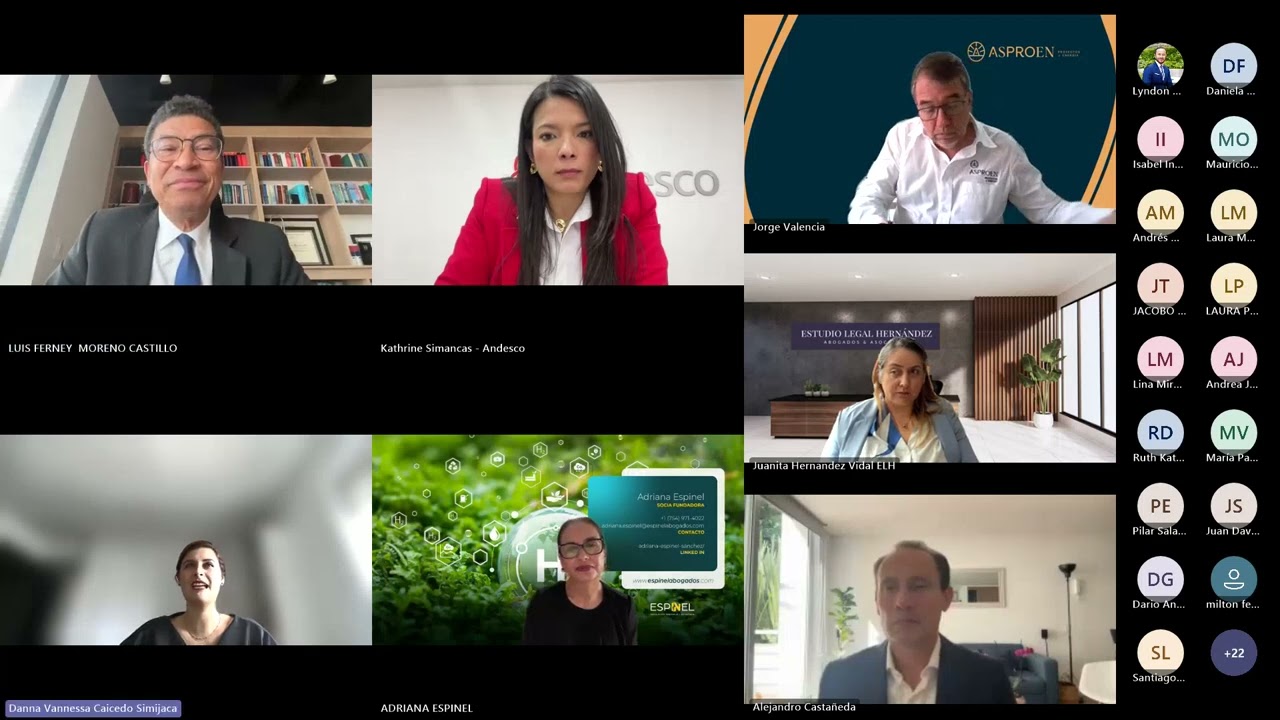
Conversatorio Elecciones presidenciales 2026 y el sector minero energético Ciclo Energía
Keywords
Summary
167 words
Critical Evaluation
Value of the Information & Strength of the Argument
The value of the information is high, as it brings together diverse expert perspectives on a critical topic for Colombia’s future. The argumentation is solid, with panelists grounding their views in legal frameworks, economic principles, and practical experience. They present a balanced view, acknowledging the need for both state intervention and market mechanisms, and emphasize the importance of regulatory clarity and investment. The discussion is well-reasoned, though it remains at a strategic level without delving into specific technical details.
Scientific Rigor, Source Quality, Title Accuracy
The scientific rigor is adequate for a panel discussion, with references to Colombian laws and regulations. The sources cited are primarily legal texts and institutional frameworks, which are relevant and credible. The title accurately reflects the content, and the discussion stays on topic. The panelists demonstrate expertise, and the moderation ensures a coherent flow. However, the lack of specific data or studies limits the depth of evidence-based analysis.
162 words
Title / Content Match
The title accurately reflects the content: a discussion on the 2026 presidential elections and the energy sector, part of a broader cycle.
Quality & Reliability
7/10
The video is an academic panel discussion with recognized experts in the Colombian energy sector, providing a balanced and informed debate. The content is well-structured and grounded in legal and regulatory frameworks, though it is primarily opinion and analysis rather than original research.
Key Moments
Markers derived by PSI from the transcript: the creator did not define chapters.
- Introduction and welcome by the department director, outlining the purpose of the forum.
- Presentation of panelists and their backgrounds.
- Discussion on the adequacy of Laws 142 and 143 of 1994 in the current context.
- Debate on the need for regulatory updates versus legal reforms.
- Analysis of energy security and climate change impacts.
- Discussion on the integration of renewable energy and hydrogen.
- Examination of tariff issues and the Caribbean region's challenges.
- Panelists propose policy recommendations for the next government.
- Q&A session with the audience.
- Closing remarks and summary of key points.
Cited Sources
- Ley 142 de 1994 — Mentioned as the basic legal framework for public utilities.
- Ley 143 de 1994 — Mentioned as the legal framework for the electricity sector.
- Ley 1715 de 2014 — Cited as a law incorporating renewable energy and energy efficiency.
- Ley 2099 de 2021 — Mentioned as a recent law on energy transition.
Concurring Sources
- Ley 142 de 1994 — The panelists agree on the importance of this law as a foundation.
- Ley 143 de 1994 — Similarly referenced as a key legal basis.
Dissenting Sources
- No discordant sources identified — The panelists generally agree on the main issues, with minor differences on the need for legal reform.
Contribution & Novelties
The video provides a timely and comprehensive discussion on the intersection of energy policy and electoral politics in Colombia. It offers a platform for experts to articulate the challenges and potential solutions, emphasizing the need for regulatory clarity and investment. The panel’s diversity of perspectives enriches the debate, though it does not introduce novel research or data.
Pour aller plus loin :
- Colombia’s energy transition — Overview of Colombia’s energy sector and transition efforts.
- Electricity market liberalization — Background on market models and liberalization.
- Energy security — Concept and relevance to policy discussions.
93 words
Radar Profile
The radar profile shows a balanced performance across all dimensions, with slightly higher scores in information quantity and quality, reflecting the comprehensive coverage and expert input. The technical level is moderate, suitable for a general audience, while reliability is solid due to the credibility of the panelists.
💬 No comments were provided for analysis.