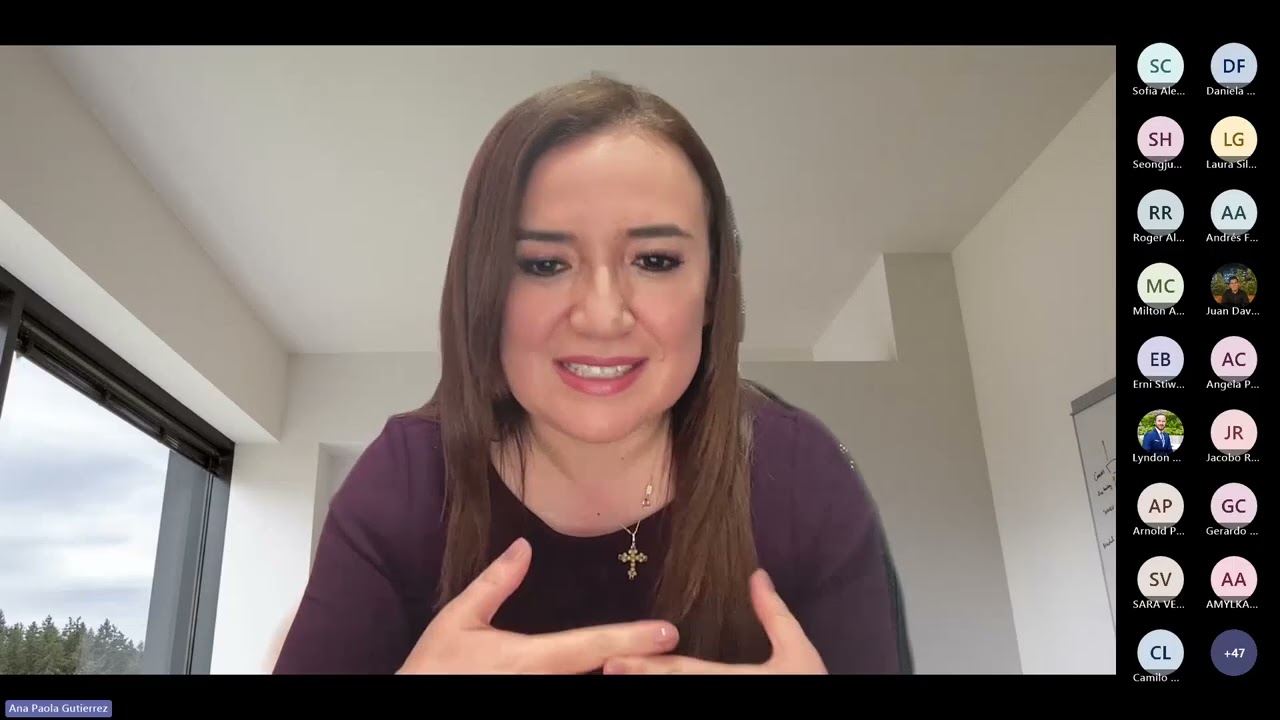
Webinar Conflicto en el medio oriente y su impacto en el mercado del petróleo y gas
Keywords
Summary
151 words
Critical Evaluation
Value of the Information & Strength of the Argument
The webinar offers valuable insights from experts with direct experience in the region. Eduardo Pereira’s distinction between oil and gas storage capabilities and the differing impacts on Qatar, Saudi Arabia, and the UAE is particularly informative. The argumentation is generally solid, grounded in the experts’ professional backgrounds, though it lacks quantitative data or references to specific reports. The discussion on the Strait of Hormuz’s role and the potential for supply disruptions is well-articulated, but the analysis could be strengthened with more concrete examples or case studies.
Scientific Rigor, Source Quality, Title Accuracy
The webinar maintains a high level of rigor in its expert commentary, but it does not cite specific sources or data. The title accurately reflects the content, which is a focused discussion on the Middle East conflict’s impact on oil and gas markets. The lack of cited sources is a limitation, but the experts’ credibility and the coherent structure of the discussion partially compensate. The webinar does not include any sponsored content.
173 words
Title / Content Match
The title accurately reflects the content, which focuses on the Middle East conflict's impact on oil and gas markets.
Quality & Reliability
7/10
The webinar features recognized experts in energy law, economics, and geopolitics, providing informed analysis. However, it is an opinion-based discussion without cited data or verifiable sources, and the recording quality is poor with some audio issues.
Key Moments
Markers derived by PSI from the transcript: the creator did not define chapters.
- Introduction and welcome by Dr. Milton Montoya, setting the context of the webinar.
- Ana Paola Gutiérrez outlines the webinar structure and introduces the first panel.
- Amilcar Acosta discusses the geopolitical context and the impact on energy security and sovereignty.
- Eduardo Pereira explains the differences between oil and gas markets, focusing on the Strait of Hormuz and storage capabilities.
- Camilo Morales provides data on gas trade through the Strait of Hormuz and market reactions, including price spikes.
- Transition to the second panel on maritime transport risks, moderated by Javier Franco.
- Raymond Wade discusses the strategic importance of the Strait of Hormuz and the risks to shipping.
- Francisco Avilés addresses the operational challenges for maritime transport, including insurance and rerouting.
- Q&A session with the audience, addressing specific concerns about Colombia and global markets.
- Closing remarks and summary of key takeaways.
Contribution & Novelties
The webinar provides a timely analysis of the Middle East conflict’s impact on energy markets, with a unique focus on both oil and gas, and the maritime transport dimension. It offers expert perspectives that are not commonly found in mainstream media. The discussion on the distinction between oil and gas storage capabilities and the specific challenges for Qatar and the UAE is particularly insightful.
Pour aller plus loin :
- Strait of Hormuz — Provides background on the strategic waterway and its role in global oil trade.
- Energy security — Explores the concept of energy security and its implications for national policies.
- Liquefied natural gas — Details the LNG market and its logistical complexities.
113 words
Radar Profile
The radar profile shows a balanced performance across all dimensions, with slightly higher scores in information quantity and quality, reflecting the expert-led discussion. The technical level is moderate, suitable for a general audience, while reliability is adequate given the lack of cited sources.