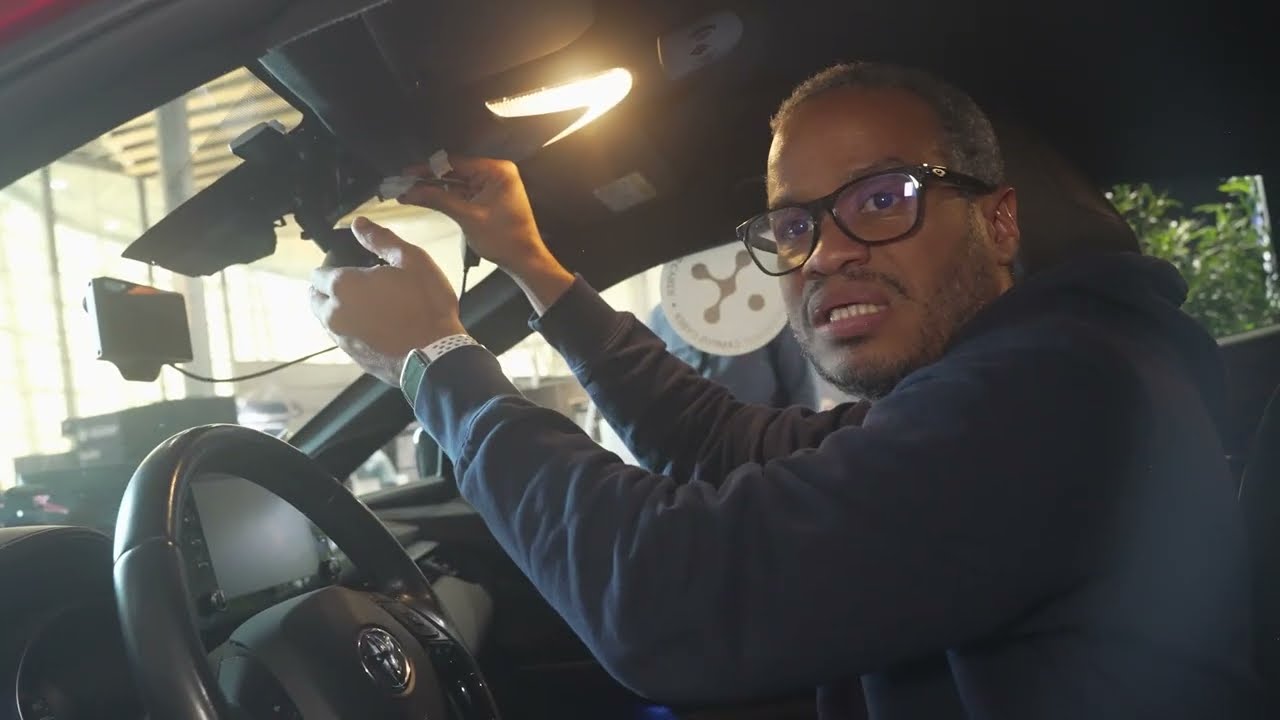
INCYBER 2026 - Voitures connectées: comment peut-on les pirater? (& pourquoi c’est un vrai problème)
Keywords
Summary
136 words
Critical Evaluation
Value of the Information & Strength of the Argument
The video provides valuable, practical insights into automotive cybersecurity, demonstrating real attack techniques and tools. The argumentation is solid, based on live demonstrations and references to open-source projects. Musquet effectively explains the progression from simple physical attacks to complex software and network exploits, making the case for systemic risk. However, the argumentation is largely anecdotal and lacks quantitative data or formal studies to support some claims.
Scientific Rigor, Source Quality, Title Accuracy
The video demonstrates rigorous hands-on practice, but the scientific rigor is limited by the lack of formal citations. The speaker references open-source projects (Automotive Grade Linux, Open Pilot) and tools (Wireshark, CANtact) but does not provide specific sources for statistics like the 144,000 thefts per year. The title accurately reflects the content, and the video is well-structured. No comments were provided for analysis.
144 words
Title / Content Match
The title accurately reflects the content: the video demonstrates how connected cars can be hacked and discusses the systemic risks.
Quality & Reliability
7/10
The video features a recognized ethical hacker (Gaël Musquet) demonstrating practical attack surfaces on connected vehicles. The information is based on hands-on demonstrations and references to open-source projects (Automotive Grade Linux, Open Pilot). However, the video is a conference talk and lacks formal citations or peer-reviewed sources, and some claims (e.g., 144,000 thefts per year) are stated without specific references.
Key Moments
Markers derived by PSI from the transcript: the creator did not define chapters.
- Introduction: Gaël Musquet presents the topic of car hacking and the systemic risks.
- Physical attack: lock picking demonstration and its limitations.
- Radio attacks: jamming, replay, and relay attacks on key fobs.
- Software vulnerabilities: Automotive Grade Linux on Raspberry Pi for security research.
- Electronic vulnerabilities: CAN bus and diagnostic ports, using tools like CANtact and Carloop.
- Autonomous driving: Open Pilot device and man-in-the-middle attack demonstration.
- Conclusion: systemic risks and the importance of open-source for security.
Cited Sources
- INCYBER Europe Forum — Official website of the event where the talk was given.
Concurring Sources
- Automotive Grade Linux — Open-source project mentioned in the video for automotive software development.
- Open Pilot — Open-source autonomous driving system demonstrated in the video.
Contribution & Novelties
The video provides a comprehensive, hands-on overview of automotive attack surfaces, from physical to autonomous driving systems. It highlights the importance of open-source tools and platforms for security research. The demonstration of a man-in-the-middle attack on an autonomous driving system is particularly insightful.
Pour aller plus loin :
- Automotive Grade Linux — Open-source platform for automotive software development.
- Open Pilot — Open-source driver assistance system.
- CAN bus — Standard for in-vehicle networking.
- Relay attack — Attack technique on keyless entry systems.
81 words
Radar Profile
The radar profile shows high scores in information quantity, quality, and reliability, with a slightly lower technical level. This indicates a well-balanced presentation that is accessible yet informative, with a strong emphasis on practical demonstrations.