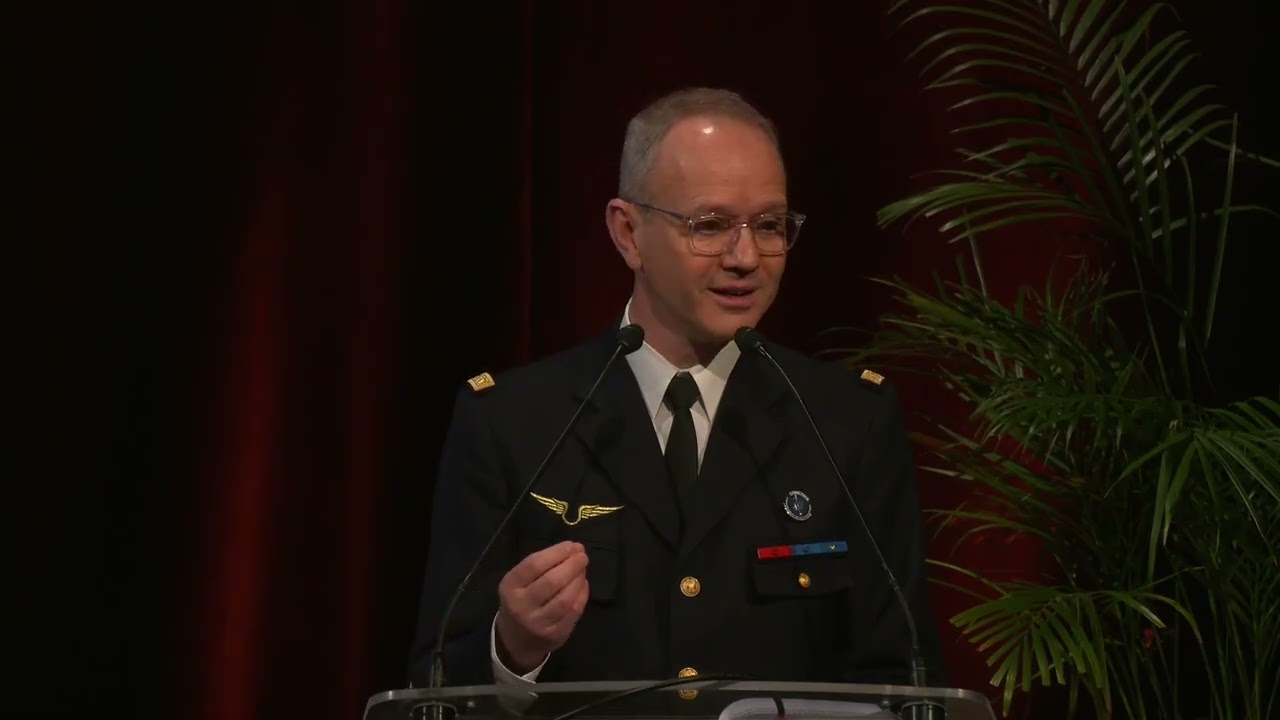
(TR22) (INCYBER) Défense, sécurité et dépendances numériques : quels sont les risques acceptables..
Keywords
Summary
171 words
Critical Evaluation
Value of the Information & Strength of the Argument
The video provides valuable insights into the strategic thinking of French military leaders on digital sovereignty and cyber defense. The arguments are well-structured and grounded in recent real-world examples, such as the Viasat attack and the use of digital tools in Ukraine. The panelists present a coherent case for the necessity of digital sovereignty and the integration of security by design. However, the discussion is largely qualitative and lacks detailed technical or quantitative analysis. The argumentation is persuasive but relies on authoritative statements rather than empirical evidence.
Scientific Rigor, Source Quality, Title Accuracy
The scientific rigor is moderate. The panelists are high-ranking officials, lending credibility, but they do not cite specific studies or reports. The only external reference mentioned is the Viginum report, but no URL is provided. The description includes links to the INCYBER forum website and LinkedIn, which are not direct sources for the content. The title accurately reflects the content, and the discussion is well-aligned with the stated topic. No comments were provided for analysis.
177 words
Title / Content Match
The title accurately reflects the content, which focuses on defense, security, and digital dependencies, and the question of acceptable risks.
Quality & Reliability
7/10
The video is a panel discussion with high-ranking military and cybersecurity officials from France and NATO, providing authoritative insights. However, it is a debate format with limited verifiable sources, and some claims are not substantiated with specific references.
Key Moments
Markers derived by PSI from the transcript: the creator did not define chapters.
- Introduction by moderator Henry Cherric, setting the stage for the panel on defense and digital dependencies.
- General Emmanuel Néelen begins his opening remarks on digital sovereignty and military operations.
- Néelen discusses the Viasat attack and cyber threats to NATO allies, including Poland.
- Néelen outlines the missions of COMCYBER and the importance of sovereign cryptography.
- Admiral Vincent Sébastien speaks on the need for digital innovation and data-centric security.
- Sébastien highlights examples from Ukraine, such as the Delta app, and advocates for security by design.
- Discussion on zero trust architecture and the human factor in security incidents.
- Panelists discuss acceptable risks and the balance between innovation and security.
- Q&A session begins, but the transcript ends before the full discussion.
Cited Sources
- INCYBER Europe Forum — Official website of the forum where the discussion took place.
- INCYBER Europe LinkedIn — LinkedIn page of the forum, providing additional context.
Concurring Sources
- NATO Cyber Defence — NATO's official page on cyber defense, aligning with the discussion on NATO perspectives.
Contribution & Novelties
The video offers a unique perspective from high-ranking French military officials on the concept of digital sovereignty and its application to defense. It highlights the shift from military to civil innovation and the need for agility in procurement. The discussion provides practical insights into how the French armed forces are approaching cybersecurity, including the adoption of zero trust and data-centric security.
Pour aller plus loin :
- Digital sovereignty - Wikipedia — Provides a broad overview of the concept.
- Zero trust architecture - NIST — Official NIST publication on zero trust.
- Viasat cyberattack - Wikipedia — Details on the Viasat attack mentioned in the video.
104 words
Radar Profile
The radar profile shows high scores in quantity of information and technical level, reflecting the detailed and expert nature of the discussion. Quality of information and global reliability are slightly lower due to the lack of cited sources and the debate format. The overall balance suggests a content rich in expert opinion but with limited verifiable references.