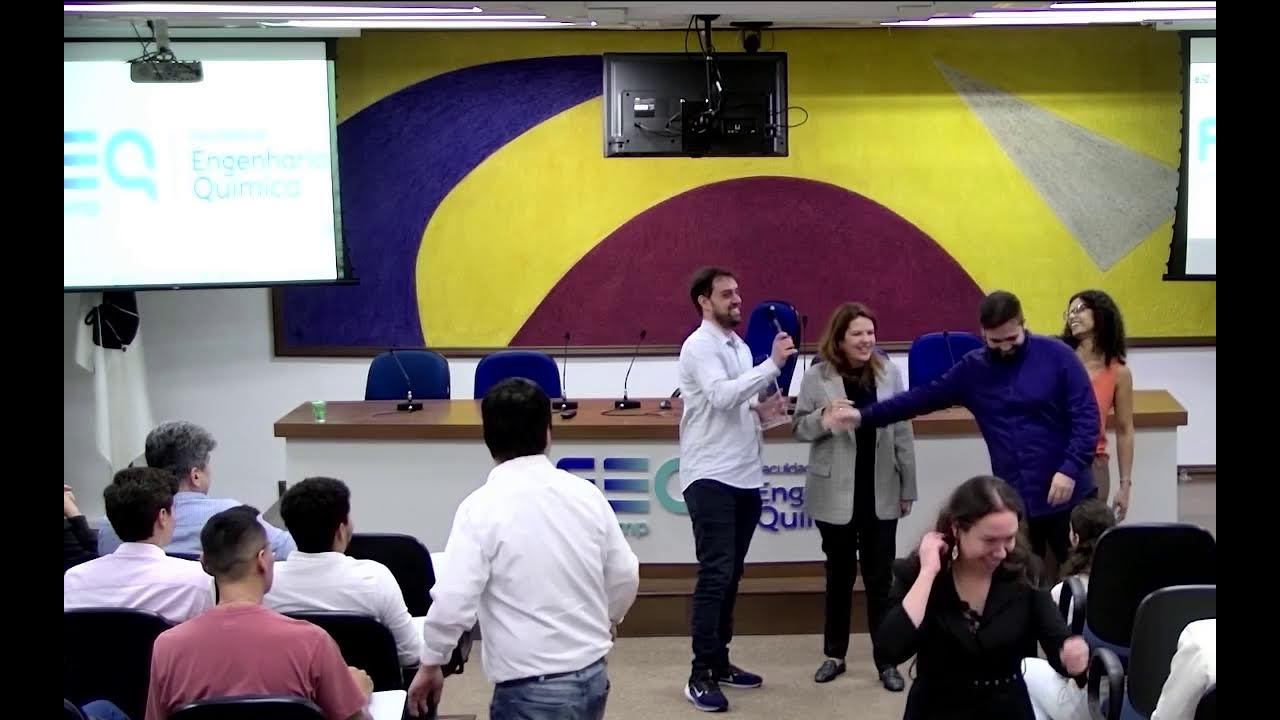
Workshop: Geração de Startups para a Transição Energética
Keywords
Summary
144 words
Critical Evaluation
Value of the Information & Strength of the Argument
The video offers valuable insights into the practical aspects of launching energy storage startups in Brazil. Cat Energy provides detailed technical and economic arguments for sodium-ion batteries, including cost comparisons with LFP and the strategic importance of local mineral processing. Future Flow presents a compelling case for lead-acid flow batteries, highlighting their simplicity and cost-effectiveness for specific applications. The argumentation is generally solid, with presenters responding to questions with specific data and reasoning. However, some claims lack detailed evidence, and the long-term viability of the technologies is not fully explored.
Scientific Rigor, Source Quality, Title Accuracy
The scientific rigor is moderate. The presenters cite market data and technical specifications, but no external sources are provided in the video or description. The title accurately reflects the content, which is a workshop on startup generation for the energy transition. The adequacy between title and content is good, as the video indeed features startup pitches and discussions. However, the lack of cited sources and the promotional nature of the pitches limit the overall scientific reliability.
181 words
Title / Content Match
The title accurately reflects the content, which is a workshop focused on generating startups for the energy transition.
Quality & Reliability
6/10
The video presents two startup pitches with technical and market data, but lacks external verification and detailed scientific references. The claims are plausible but not independently confirmed.
Key Moments
Markers derived by PSI from the transcript: the creator did not define chapters.
- Introduction and first startup pitch: Cat Energy presents sodium-ion battery materials.
- Cat Energy discusses market challenges and cost comparisons with LFP.
- Q&A session for Cat Energy, addressing density and supply chain concerns.
- Second startup pitch: Future Flow presents lead-acid flow batteries for stationary storage.
- Future Flow discusses market focus and competitive advantages.
- Q&A session for Future Flow, addressing technology differentiation and market strategy.
Contribution & Novelties
The video provides a unique look into the Brazilian startup ecosystem for energy storage, highlighting two distinct technological approaches. Cat Energy’s focus on sodium-ion batteries using local minerals addresses a critical supply chain issue, while Future Flow’s lead-acid flow battery offers a low-cost solution for rural electrification. The presentations include financial projections and market analysis, offering practical insights for entrepreneurs and investors.
Pour aller plus loin :
- Sodium-ion battery — Overview of sodium-ion technology and its potential.
- Flow battery — General information on flow batteries, including lead-acid variants.
- Brazilian energy transition policy — Official Brazilian government portal for energy policies and initiatives.
102 words
Radar Profile
The radar profile shows moderate scores across all dimensions, with a slight peak in quantity of information and a dip in reliability. This suggests the video provides a good amount of content but lacks strong scientific backing, making it more suitable for general audiences than for rigorous research.