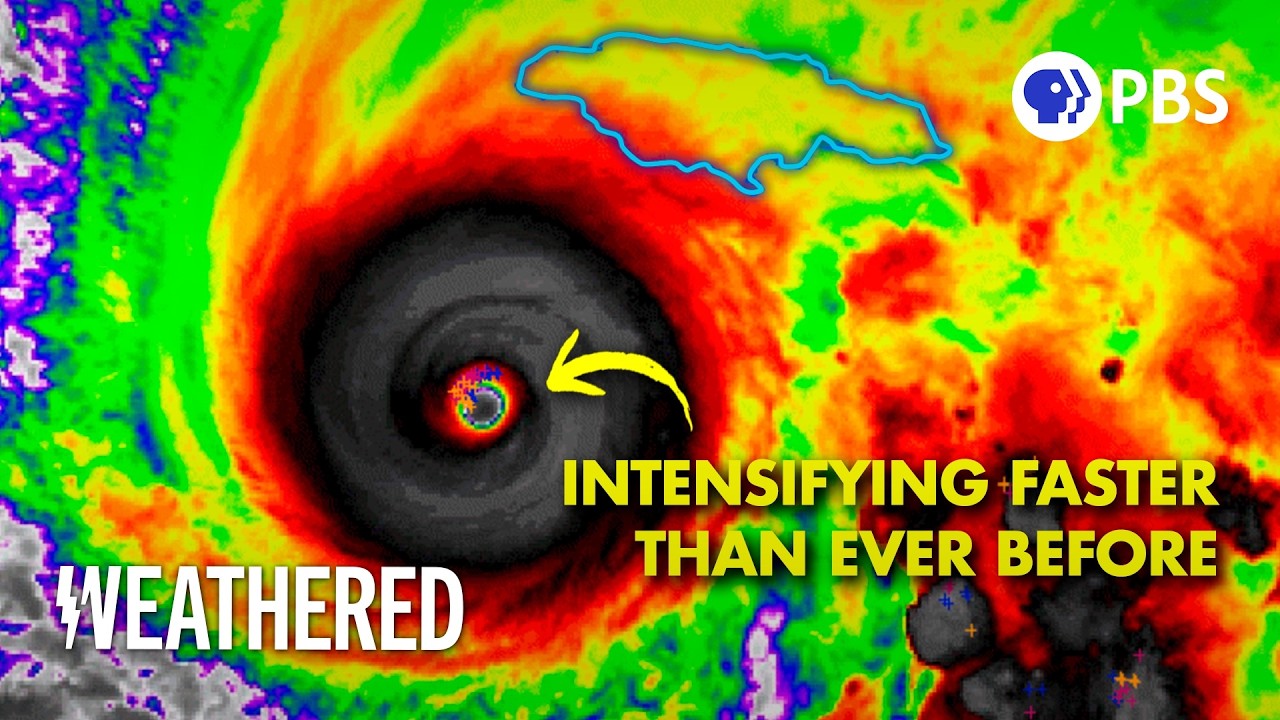
Are we playing chicken with hurricanes like Melissa?
Keywords
Summary
164 words
Critical Evaluation
Value of the Information & Strength of the Argument
The video provides valuable information by synthesizing complex scientific concepts (e.g., AMOC, aerosol effects, rapid intensification) into an accessible narrative. It effectively uses expert interviews and historical comparisons (Galveston 1900 vs. Ike 2008) to illustrate the life-saving impact of forecasting. The argumentation is solid, presenting both competing hypotheses for the mid-century hurricane lull and clearly separating established facts from ongoing research. The economic argument, citing $2 billion saved per hurricane, is compelling. However, the video could be stronger by providing more direct citations to the studies mentioned, and the narrative sometimes leans towards advocacy for increased funding, which is a policy position rather than pure science.
Scientific Rigor, Source Quality, Title Accuracy
The scientific rigor is generally high, with interviews from credible researchers and references to specific data (e.g., 3x increase in rapid intensification probability). The video does not provide direct links to the primary sources in the description, which limits verifiability. The title is catchy and accurate, though it may overstate the ‘chicken’ metaphor. The content aligns well with the title, focusing on the gamble of underfunding forecasting. The video includes a brief promotional segment for merchandise, which is clearly separated from the main content. The comments reflect a highly engaged audience, with many expressing concern about the politicization of science and the impact of budget cuts.
227 words
Title / Content Match
The title is catchy and relevant, framing the issue of hurricane forecasting under threat as a 'game of chicken' with nature. It accurately reflects the content's focus on the intersection of hurricane intensification and funding cuts.
Quality & Reliability
8/10
The video is well-researched, features interviews with credible scientists (e.g., Andrew Granado, Ivan?), and references specific data and studies. It clearly distinguishes between scientific consensus and hypotheses. However, it does not provide direct citations or links to the primary sources in the description, and the narrative is somewhat simplified for a general audience.
Key Moments
Markers derived by PSI from the transcript: the creator did not define chapters.
- Introduction to the mystery of rising hurricane energy and rapid intensification.
- Explanation of the mid-century dip in hurricane activity and the two competing hypotheses (AMOC vs. aerosols).
- Discussion of the Hurricane Forecast Improvement Program and its impact on forecast accuracy.
- Historical comparison between the 1900 Galveston hurricane and 2008's Ike, highlighting the value of forecasting.
- Interview with scientist Andrew Granado on the economic benefits of improved forecasts ($2 billion saved per hurricane).
- Segment on rapid intensification, featuring Hurricane Otis and the role of NOAA hurricane hunters.
- Conclusion on the need for continued investment in forecasting and the threat of funding cuts.
Cited Sources
- PBS Terra Store — Mentioned at the end of the video as a way to support the show.
- PBS Donate — Mentioned in the description as a way to support PBS.
Concurring Sources
- NOAA — The video references NOAA's role in hurricane forecasting and research, and the agency's website provides official data and reports.
Contribution & Novelties
The video’s original contribution lies in its synthesis of recent research on hurricane intensification with the current political context of NOAA funding cuts. It effectively communicates the scientific consensus on climate change’s role in making hurricanes more dangerous, while also highlighting the ongoing debate about the relative contributions of natural variability and anthropogenic factors. The segment on rapid intensification, featuring recent examples like Hurricane Otis, provides a timely and accessible explanation of this emerging challenge.
Pour aller plus loin :
- Rapid intensification — Wikipedia article explaining the phenomenon and its measurement.
- Atlantic multidecadal oscillation — Wikipedia article on the AMOC, a key natural variability factor discussed in the video.
- Hurricane Forecast Improvement Program — Wikipedia article on the program credited with improving forecast accuracy.
- NOAA Hurricane Hunters — Wikipedia article on the aircraft and missions featured in the video.
139 words
Radar Profile
The radar profile shows high scores in information quantity, quality, and reliability, with a slightly lower score in technical level, reflecting the video's accessible approach. This indicates a well-balanced, informative piece that is scientifically sound but not overly technical.
💬 Positif avec une forte inquiétude. Sur les 30 commentaires analysés, la majorité exprime un soutien enthousiaste au contenu et une profonde préoccupation concernant les coupes budgétaires et la politisation de la science, avec quelques commentaires critiques sur la responsabilité individuelle et les inégalités.