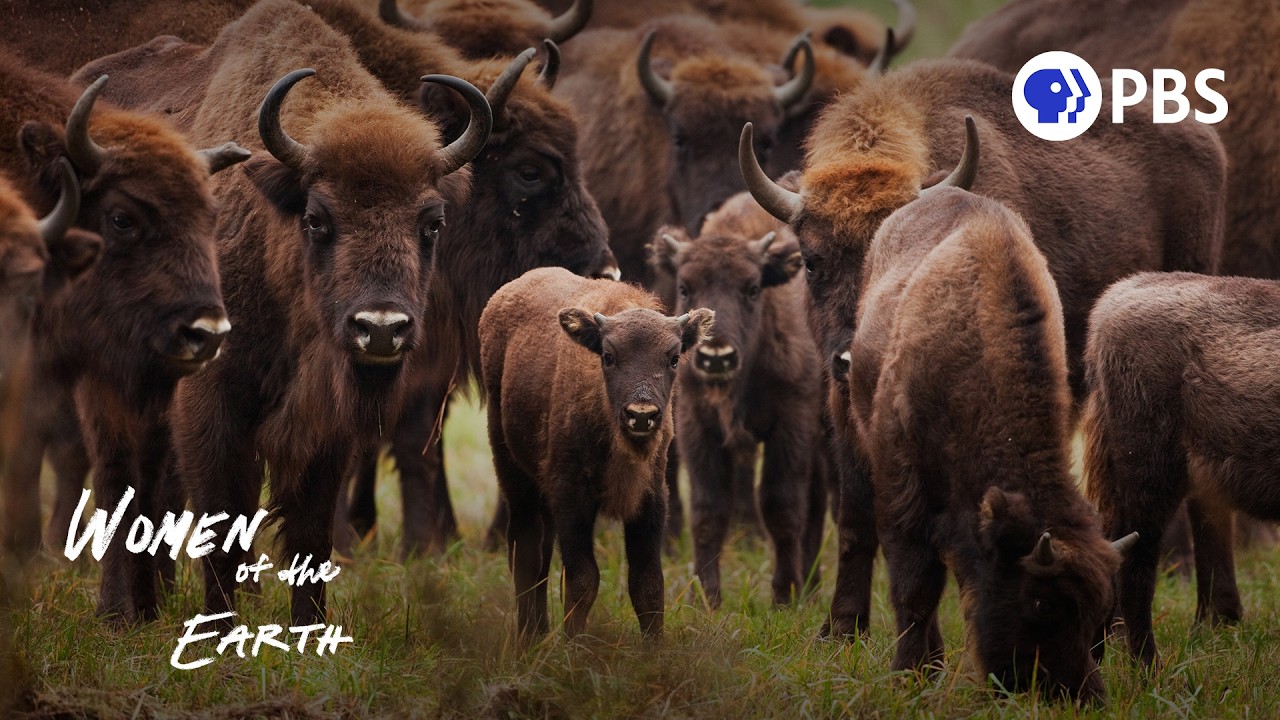
Why Are Buffalo Returning to Texas After 136 Years?
Keywords
Summary
155 words
Critical Evaluation
Value of the Information & Strength of the Argument
The documentary provides valuable insights into the ecological role of buffalo and the practical application of regenerative agriculture. The argumentation is solid, grounded in the firsthand experience of the founder and supported by observable evidence of ecosystem improvements. The film effectively communicates the interconnectedness of ecological health and cultural revitalization, making a compelling case for buffalo restoration. However, it relies heavily on anecdotal evidence and lacks quantitative data or references to scientific studies, which limits its scientific rigor.
Scientific Rigor, Source Quality, Title Accuracy
The documentary is scientifically sound in its portrayal of buffalo as a keystone species and the benefits of rotational grazing, aligning with established ecological principles. However, it does not cite specific scientific sources, and the information is presented through a personal narrative rather than a formal review. The title accurately reflects the content, focusing on the return of buffalo to Texas. The comments are overwhelmingly positive, with viewers expressing emotional connection and support for the project, though some note the lack of scientific depth.
177 words
Title / Content Match
The title accurately reflects the content, which focuses on the return of buffalo to Texas and the ecological and cultural significance of this restoration.
Quality & Reliability
8/10
The documentary presents a credible, firsthand account of buffalo restoration efforts, featuring expert testimony from the founder of the Texas Tribal Buffalo Project. Ecological claims are consistent with established knowledge about keystone species and regenerative agriculture, though specific scientific data is limited and no external sources are cited.
Key Moments
Markers derived by PSI from the transcript: the creator did not define chapters.
- Introduction to the buffalo's historical extermination and its impact on Indigenous peoples.
- Lucille Contreras introduces the Texas Tribal Buffalo Project and the herd.
- Explanation of buffalo as a keystone species and their role in biodiversity.
- Demonstration of rotational grazing and regenerative agriculture techniques.
- Discussion of bioindicators and soil health improvements.
- Personal story of Lucille's childhood and reconnection with her Indigenous identity.
- Overview of the 'Meat for Mamas' program addressing health disparities.
- Insights into the matriarchal structure of buffalo herds and leadership lessons.
- Challenges of land access and funding, and the vision for the future.
Cited Sources
- PBS Terra Donation Page — Mentioned in the video description as a way to support PBS Terra and the production of such documentaries.
Concurring Sources
- Keystone species — Supports the claim that buffalo are a keystone species affecting ecosystem balance.
- Regenerative agriculture — Aligns with the rotational grazing and soil health practices shown in the video.
Contribution & Novelties
The documentary offers a unique perspective by centering on an Indigenous woman’s leadership in ecological restoration, blending scientific and cultural knowledge. It highlights the practical application of regenerative agriculture in a specific context, providing a model for similar initiatives. The emphasis on the matriarchal structure of buffalo herds as a leadership paradigm is a distinctive angle.
Pour aller plus loin :
- Keystone species — Relevant to the ecological role of buffalo as described in the video.
- Regenerative agriculture — Directly related to the farming practices showcased.
- American bison — Provides background on the species and its history.
- Indigenous food sovereignty — Connects to the cultural and health aspects discussed.
109 words
Radar Profile
The radar profile shows high scores in quality and reliability, reflecting the credible firsthand account and alignment with established ecological concepts. The lower score in technical level indicates that the content is accessible and not overly scientific, which is appropriate for a general audience.
💬 Très positif. Sur les 30 commentaires analysés, le public exprime une forte approbation et une connexion émotionnelle, saluant le travail de Lucille et l'importance de la restauration écologique et culturelle.