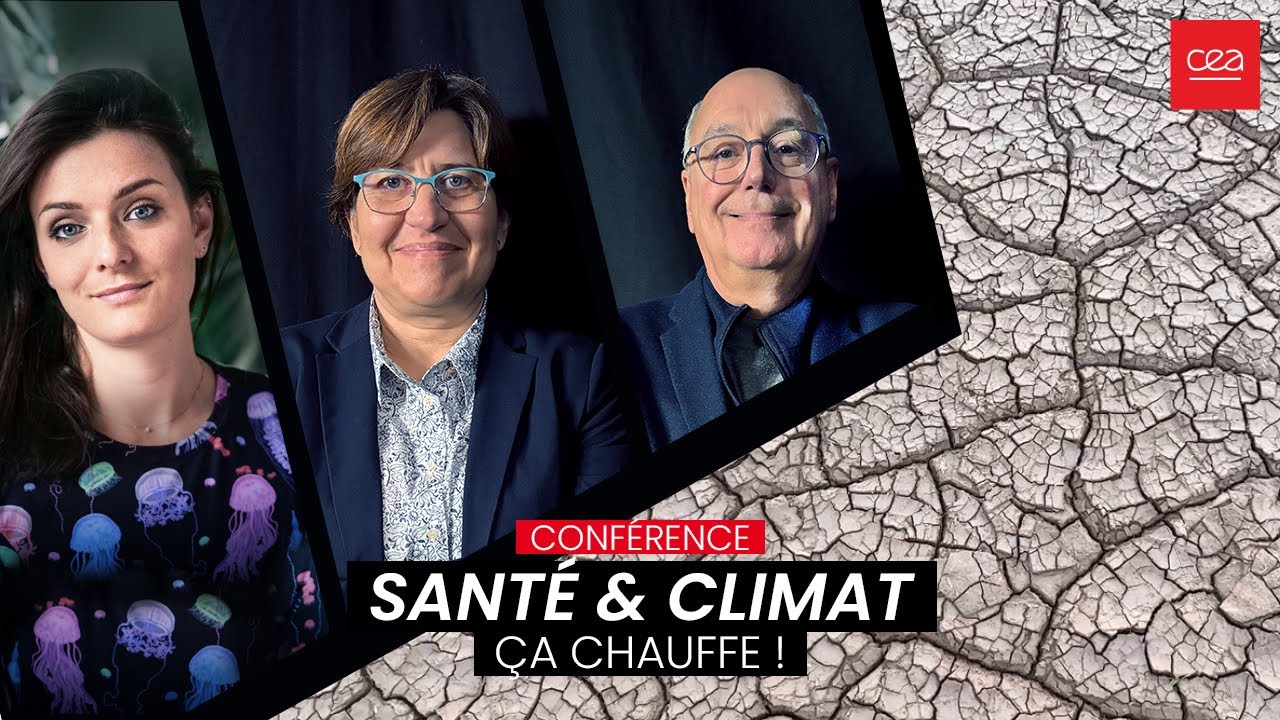
🔥Santé et climat : ça chauffe !
Keywords
Summary
182 words
Critical Evaluation
The video provides a valuable and scientifically grounded overview of the links between climate change and health. The expertise of the two speakers is evident, and they effectively communicate complex mechanisms in an accessible manner. Valérie Masson-Delmotte’s explanations of climate attribution and the amplification of extreme events are clear and well-supported by IPCC findings. Roger Le Grand’s examples of vector-borne diseases and zoonoses illustrate the concrete health threats posed by a warming climate. The discussion is balanced, acknowledging uncertainties while emphasizing the robustness of the scientific consensus. The sources cited are authoritative, including IPCC reports and national health agencies, which enhances the credibility of the content. However, as a live discussion, it lacks the depth of a systematic review, and some topics are only briefly touched upon. The format allows for a conversational flow but may leave some viewers wanting more detailed data. The title accurately reflects the content, and the inclusion of mental health and One Health perspectives adds breadth. Overall, the video is a reliable and informative resource for understanding the health implications of climate change, though it is not exhaustive.
183 words
Title / Content Match
The title 'Santé et climat : ça chauffe !' accurately reflects the content, which discusses the impacts of climate change on health, including heatwaves, vector-borne diseases, and mental health.
Quality & Reliability
8/10
The video features two recognized experts from CEA (Valérie Masson-Delmotte, paleoclimatologist and former IPCC co-chair; Roger Le Grand, infectious disease specialist and member of COVARS). They present established scientific facts and cite institutional sources (IPCC, Haut Conseil pour le Climat, Santé publique France). The discussion is rigorous, with clear explanations of mechanisms linking climate change and health. However, as a live discussion, it lacks the depth of a peer-reviewed article and some claims are simplified for a general audience.
Chapters
- Introduction
- Le diagnostic scientifique du réchauffement climatique
- La prise de conscience de l'impact du climat sur la santé
- Le changement climatique d'une génération à l'autre
- Des maladies et vecteurs qui se déplacent avec le réchauffement climatique
- Définition des zoonoses
- Vers une réémergence de virus très anciens ?
- Quels leviers d'action ?
- Comment anticiper les risques de l'impact du changement climatique sur la santé ?
- Des actions bénéfiques pour le climat et la santé
- Quel lien entre santé mentale et changement climatique ?
- Remettre l'humain au cœur de la science
- L'approche One health
- Expliquer, partager les connaissances scientifiques pour lutter contre la désinformation
- Protéger le climat et le citoyen
Cited Sources
- Rapport annuel 2025 du Haut conseil pour le climat — Referenced as a source for climate impacts and adaptation in France.
- IPCC AR6 WGII Chapter 7: Health, Wellbeing, and the Changing Structure of Communities — Referenced for the health impacts of climate change.
- Santé publique France - Climat et santé — Referenced for national health surveillance and climate-related health data.
- Bulletin de surveillance renforcée chikungunya, dengue, zika et West Nile en France hexagonale — Referenced for the spread of vector-borne diseases in France.
- Science article on Australia's toxic algal bloom — Referenced as an example of climate-related health and environmental impacts.
Concurring Sources
- IPCC AR6 WGII Chapter 7 — Supports the claims about health impacts of climate change.
- Santé publique France - Climat et santé — Provides national data on climate-related health risks.
Contribution & Novelties
The video provides a comprehensive and accessible synthesis of the current scientific understanding of climate change impacts on health, featuring two leading French experts. It uniquely bridges the physical climate science (Masson-Delmotte) and biomedical perspectives (Le Grand), offering a holistic view. The discussion highlights emerging topics such as the mental health effects of climate change and the One Health approach, which are often underrepresented in public discourse. The emphasis on adaptation strategies and the importance of science communication adds practical value.
Pour aller plus loin :
- IPCC AR6 WGII Chapter 7 — Provides in-depth scientific assessment of health risks from climate change.
- One Health approach - WHO — Official WHO page explaining the One Health concept.
- Climate anxiety - American Psychological Association — Discusses the psychological impacts of climate change.
- Haut Conseil pour le Climat — French independent body providing climate policy advice.
143 words
Radar Profile
The radar profile shows high scores in information quantity, quality, and reliability, with a slightly lower technical level, reflecting the accessible yet expert nature of the discussion. The overall balance indicates a trustworthy and informative content.