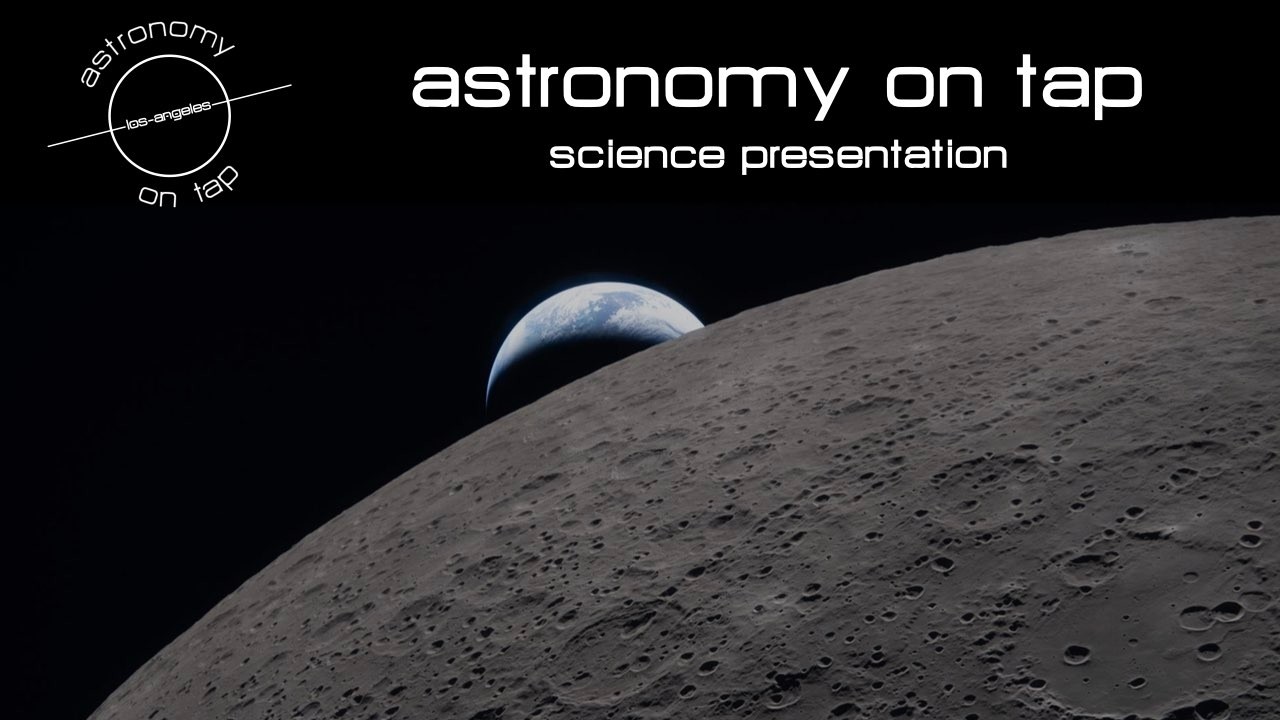
Artemis II and the Return of Humans to Deep Space - Sarah Elizabeth McCandless - 04/27/26
Keywords
Summary
142 words
Critical Evaluation
The talk provides valuable first-hand insights into the Artemis II mission from a navigation engineer’s perspective. McCandless effectively explains complex concepts like deep space navigation and the differences from low Earth orbit operations. Her professional background lends credibility, and she communicates technical details in an accessible manner without oversimplifying. The argumentation is solid, grounded in her direct involvement and mission data. However, the talk is informal and lacks rigorous citations; no specific sources are referenced beyond general mission knowledge. The inclusion of a video recap adds visual context but also consumes time that could have been used for deeper technical discussion. The speaker touches on psychological aspects of deep space travel, citing documented studies, but does not provide specific references. Overall, the content is reliable and informative, though it would benefit from more detailed technical explanations and citations. The title accurately reflects the content, and the talk successfully conveys the significance of Artemis II as a stepping stone for future deep space exploration.
163 words
Title / Content Match
The title accurately reflects the content: a talk about Artemis II and the return of humans to deep space, given by a navigation engineer.
Quality & Reliability
8/10
The speaker is a NASA navigation engineer with direct involvement in Artemis II, providing first-hand technical insights. The talk is informal but grounded in professional experience. No external sources are cited beyond the speaker's LinkedIn and the Astronomy on Tap outreach page, but the content is consistent with known mission facts.
Key Moments
Markers derived by PSI from the transcript: the creator did not define chapters.
- Introduction and speaker background
- Explanation of navigation engineer role
- Discussion of the Moon and tidal locking
- Video recap of Artemis II mission
- Test flight objectives and system validation
- Differences between low Earth orbit and deep space
- Science goals: health monitoring and lunar geology
- Psychological effects of deep space travel
- Collaboration with international partners
- Conclusion and future implications
Cited Sources
- Astronomy on Tap - Caltech Outreach — Event series where this talk was given
- Sarah Elizabeth McCandless - LinkedIn — Speaker's professional profile
Concurring Sources
- NASA Artemis II Mission Overview — Official NASA page confirming mission details and objectives.
- European Space Agency - Service Module — ESA's contribution to the Artemis II service module.
Dissenting Sources
- No discordant sources found — The talk's content aligns with publicly available mission information.
Contribution & Novelties
The talk provides an insider’s perspective on the Artemis II mission, emphasizing the role of navigation and the challenges of deep space human flight. It highlights the psychological differences and the importance of human observation in lunar geology.
Pour aller plus loin :
- Artemis II - NASA — Official mission page with details and updates.
- Orion Spacecraft - NASA — Information on the Orion capsule used in Artemis II.
- Deep Space Navigation - JPL — Overview of navigation techniques used for deep space missions.
84 words
Radar Profile
The radar profile shows high scores in quality and reliability, reflecting the speaker's expertise and accurate information. The moderate scores in quantity and technical level indicate a balanced presentation suitable for a general audience, with room for more in-depth technical details.
💬 No comments were provided for analysis.