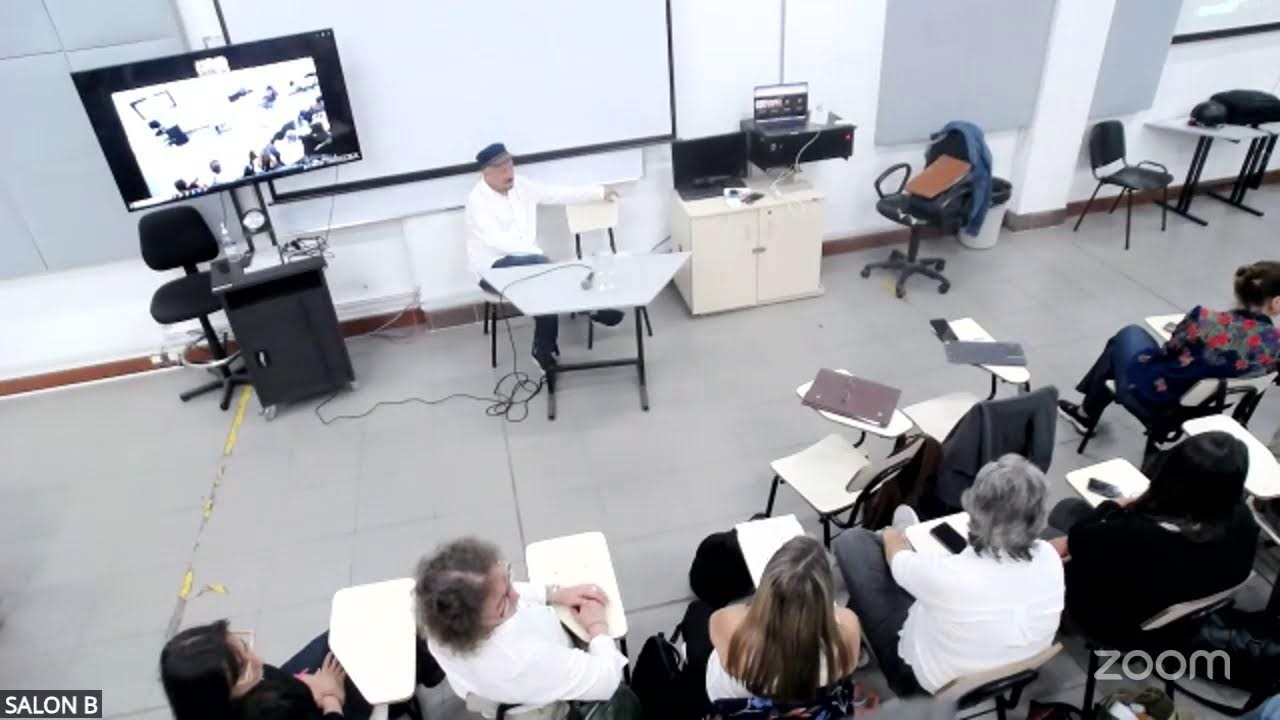
De la teoría a la acción: construyendo respuestas interdisciplinarias en el campo de las drogas
Keywords
Summary
248 words
Critical Evaluation
Value of the Information & Strength of the Argument
The video provides valuable insights into the interdisciplinary approach to drug policy and research, particularly from a Latin American perspective. The speakers argue for the importance of integrating mental health and drug policies, and highlight the need to address gender and intersectionality. The argumentation is based on the book’s content and the speakers’ expertise, but it is largely qualitative and lacks empirical data or detailed evidence. The discussion is coherent and well-structured, with each speaker contributing to a shared narrative about the importance of interdisciplinary training and community-based approaches.
Scientific Rigor, Source Quality, Title Accuracy
The scientific rigor is moderate: the content is based on a published book and the speakers are academics and a government official, which lends credibility. However, specific sources are not cited in the video, and the discussion is more descriptive than analytical. The title accurately reflects the content, as the video is indeed about building interdisciplinary responses in the drug field. The video does not include a public comments section, so no analysis of viewer feedback is possible.
182 words
Title / Content Match
The title accurately reflects the content: the video presents a book that aims to bridge theory and action in the interdisciplinary field of drug studies.
Quality & Reliability
7/10
The video is a book presentation with expert commentary from academics and a government official. The content is based on a published book and references public policy, but lacks detailed citations and empirical data. The discussion is qualitative and opinion-based, with a clear interdisciplinary perspective.
Key Moments
Markers derived by PSI from the transcript: the creator did not define chapters.
- Introduction and technical setup for the online presentation.
- Juan introduces the book and its purpose.
- Gabriel Rosi discusses the continuity of drug policy in Uruguay and the importance of training.
- Carolina Vázquez comments on the book, focusing on gender and intersectionality.
- Juan Ignacio Lozano discusses the interdisciplinary approach and regional challenges.
- Discussion on the integration of mental health and drug policies.
- Further commentary on the book's chapters and their relevance.
- Closing remarks and thanks.
Contribution & Novelties
The video presents a book that compiles student work from a specialization program, offering a unique perspective on interdisciplinary drug studies in Uruguay. It highlights the importance of training and community-based approaches, and addresses gender and intersectionality in drug policy. The discussion provides insights into the challenges of integrating mental health and drug policies in Latin America.
Pour aller plus loin :
- Interdisciplinary approaches to drug policy — Provides background on drug policy frameworks.
- Gender and drug use — UNODC page on gender and drugs.
- Mental health and substance use — WHO page on substance abuse and mental health.
99 words
Radar Profile
The radar profile shows moderate scores across all dimensions, indicating a balanced but not highly technical presentation. The video excels in qualitative information and reliability, but has lower quantitative information and technical depth, reflecting its nature as a discussion rather than a detailed scientific lecture.