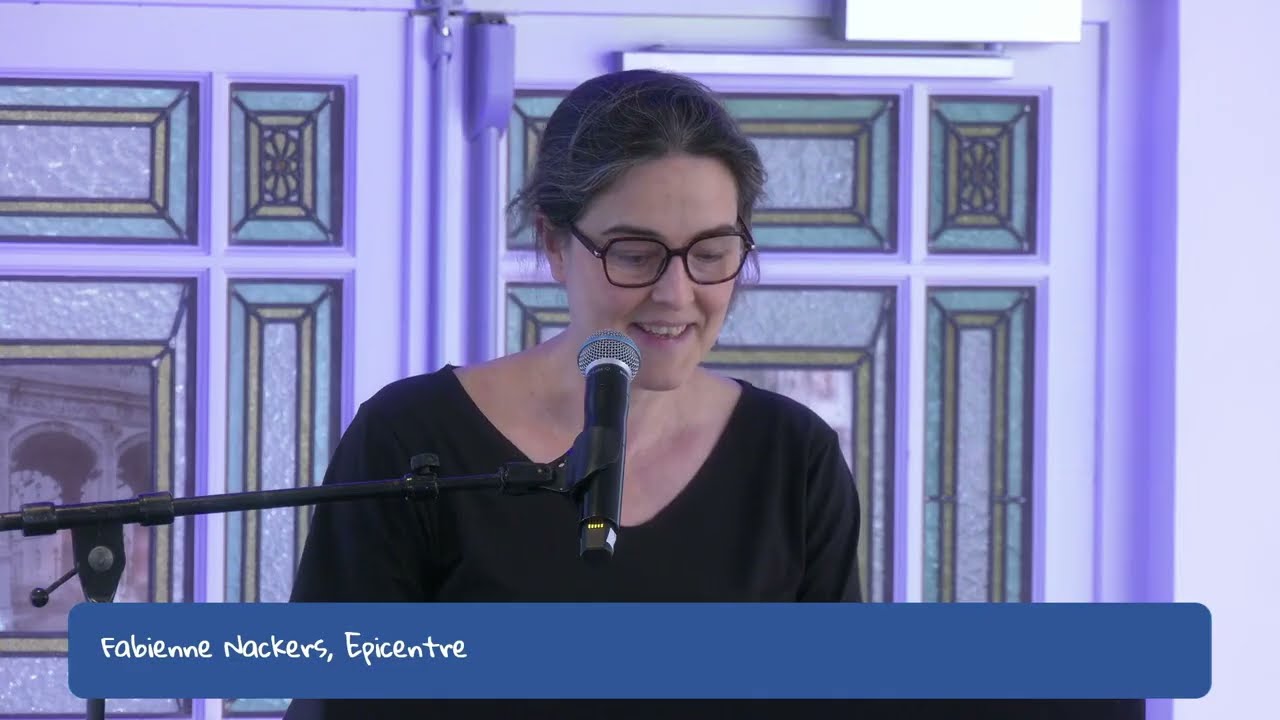
Immune Response to a Delayed Second Dose of Oral Cholera Vaccine
Keywords
Summary
174 words
Critical Evaluation
Value of the Information & Strength of the Argument
The video provides valuable information on an important public health issue: the flexibility of oral cholera vaccine dosing. The argumentation is solid, based on a well-designed randomized controlled trial with clear endpoints and statistical analysis. The presentation of results is clear, with graphs and explanations of the non-inferiority margin. The study’s limitations, such as sample size in younger children, are acknowledged. The discussion of operational implications and alignment with previous studies strengthens the argument for delayed dosing strategies.
Scientific Rigor, Source Quality, Title Accuracy
The scientific rigor is high: the trial is randomized, controlled, and uses a non-inferiority design with a pre-specified margin. The methodology is clearly described, including eligibility criteria, randomization, and statistical analysis. The source is Epicentre, a research organization affiliated with MSF, known for rigorous studies. The title accurately reflects the content. No external sources are cited in the video, but the description mentions the trial context. The adequacy between title and content is excellent.
167 words
Title / Content Match
The title accurately reflects the content, which focuses on the immune response to a delayed second dose of oral cholera vaccine.
Quality & Reliability
8/10
The video presents a randomized controlled trial with clear methodology, statistical analysis, and results. The source is Epicentre, a recognized research organization. However, the video is a presentation and lacks peer-reviewed publication details.
Key Moments
Markers derived by PSI from the transcript: the creator did not define chapters.
- Introduction to the trial and its objectives
- Background on oral cholera vaccines and standard schedule
- Study design and objectives
- Eligibility criteria and study population
- Statistical analysis and non-inferiority margin
- Results: non-inferiority demonstrated for both serotypes
- Conclusions and implications for vaccination strategies
Cited Sources
- Trial description — The video itself provides the trial details.
Concurring Sources
- Previous studies on delayed OCV doses — The video mentions studies in Cameroon, DRC, and India that observed similar results.
Contribution & Novelties
This video presents original trial data demonstrating that a delayed second dose of oral cholera vaccine (6 or 12 months) is non-inferior to the standard 2-week interval. This is a significant contribution as it supports more flexible vaccination strategies in outbreak settings, potentially improving coverage and long-term immunity. The findings align with previous studies but provide robust evidence from a randomized controlled trial.
Pour aller plus loin :
- Oral cholera vaccine — Overview of cholera vaccines and their use.
- Non-inferiority trial — Explanation of the non-inferiority design used in the study.
- Vibriocidal antibody assay — Description of the assay used to measure immune response.
104 words
Radar Profile
The radar profile shows high scores in information quantity, quality, and reliability, with a slightly lower technical level. This indicates a well-presented, scientifically sound study that is accessible to a broad audience while maintaining rigor.