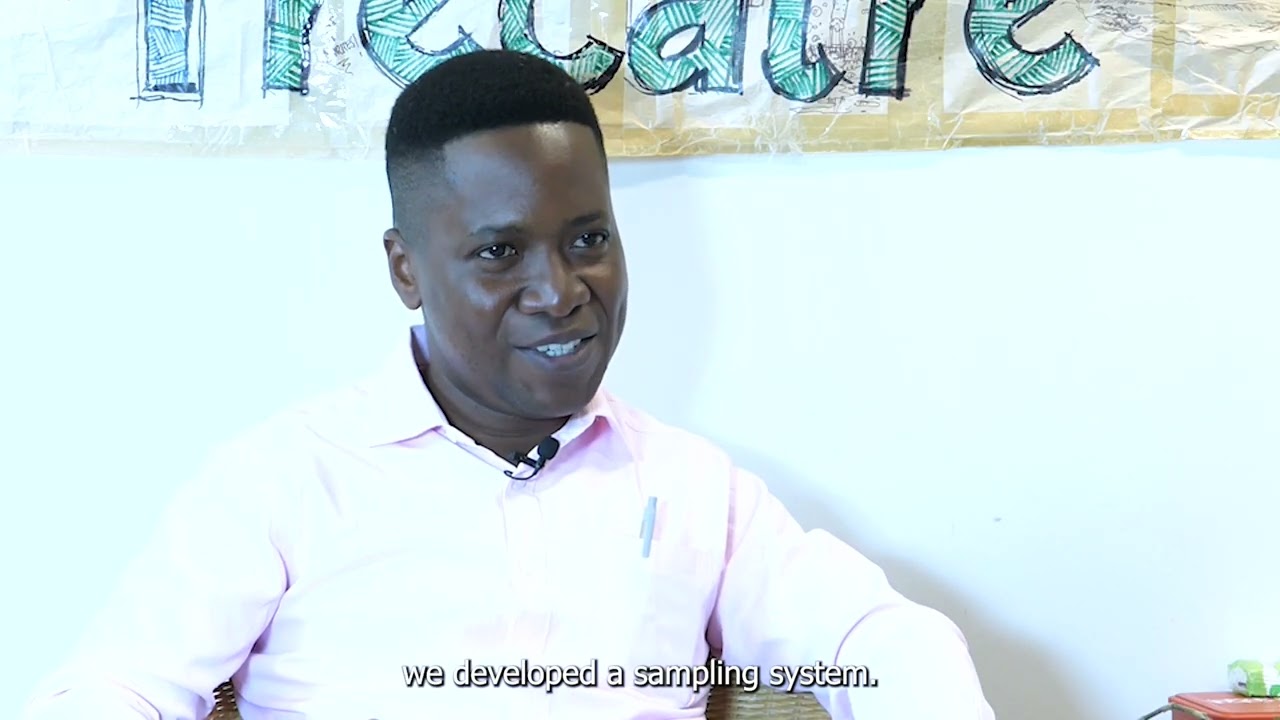
Enquêtes de mortalité : un outil essentiel en contexte humanitaire
Keywords
Summary
203 words
Critical Evaluation
Value of the Information & Strength of the Argument
The video provides valuable insights into the practical aspects of conducting mortality surveys in humanitarian settings. It highlights the importance of community engagement, ethical approvals, and cultural sensitivity. The argumentation is based on the speaker’s extensive field experience, which lends credibility to the information. The step-by-step explanation of the process, from planning to data analysis, is clear and logical. The use of two concrete examples (Nigeria and Mauritania) illustrates the adaptability of methods to different contexts. The emphasis on daily data quality checks and team management underscores the rigor required. However, the video lacks formal citations or references to specific studies, which would strengthen the scientific basis. Overall, the information is highly valuable for practitioners and students in public health and epidemiology.
Scientific Rigor, Source Quality, Title Accuracy
The video demonstrates scientific rigor through its detailed description of methodological steps, including ethical approvals, sampling techniques, and data quality assurance. The speaker’s affiliation with Epicentre and MSF adds credibility. However, no external sources are cited, and the video does not reference specific publications or guidelines. The title accurately reflects the content, which focuses on mortality surveys as a tool in humanitarian contexts. The video is well-structured and informative, though it could benefit from including references to standard methodologies like the SMART methodology or MSF guidelines.
223 words
Title / Content Match
The title accurately reflects the content, which focuses on mortality surveys in humanitarian settings.
Quality & Reliability
8/10
The video features an epidemiologist with field experience, providing detailed procedural insights. The content is consistent with established epidemiological methods, though it lacks formal citations and peer-reviewed references.
Key Moments
Markers derived by PSI from the transcript: the creator did not define chapters.
- Introduction of Dr. Gaston Komanda and definition of mortality surveys.
- Objectives of mortality surveys: assessing crisis severity and identifying indicators.
- Preparatory steps: concept note, protocol, ethical approvals.
- Community engagement and recruitment of local interviewers.
- Sampling methods: cluster sampling in Nigeria and satellite imagery in Mauritania.
- Recall period considerations and use of event calendars.
- Cultural considerations in household visits, including gender composition of teams.
- Data collection: demographic information, births, deaths, migrations, and causes.
- Daily data analysis and quality checks, including nutritional measurements.
- Team management and reconfiguration based on performance.
- Preliminary and final reports, and the importance of preparation and cultural integration.
Contribution & Novelties
The video offers a unique insider perspective on the operational challenges and methodological nuances of conducting mortality surveys in humanitarian settings. It emphasizes the importance of cultural sensitivity, community engagement, and daily data quality checks, which are often overlooked in academic literature. The comparison of two different sampling approaches (cluster sampling vs. satellite imagery) provides practical insights for field epidemiologists.
Pour aller plus loin :
- SMART Methodology — Standardized Monitoring and Assessment of Relief and Transitions, commonly used for mortality surveys.
- MSF Field Research — Repository of MSF’s research publications, including mortality surveys.
- WHO Guidelines on Mortality Surveys — World Health Organization’s guidance on conducting mortality surveys in humanitarian emergencies.
110 words
Radar Profile
The radar profile shows high scores in information quantity, quality, technical level, and reliability, indicating a well-rounded and credible presentation. The video is strong in providing detailed procedural knowledge and practical examples, making it a valuable resource for professionals in the field.