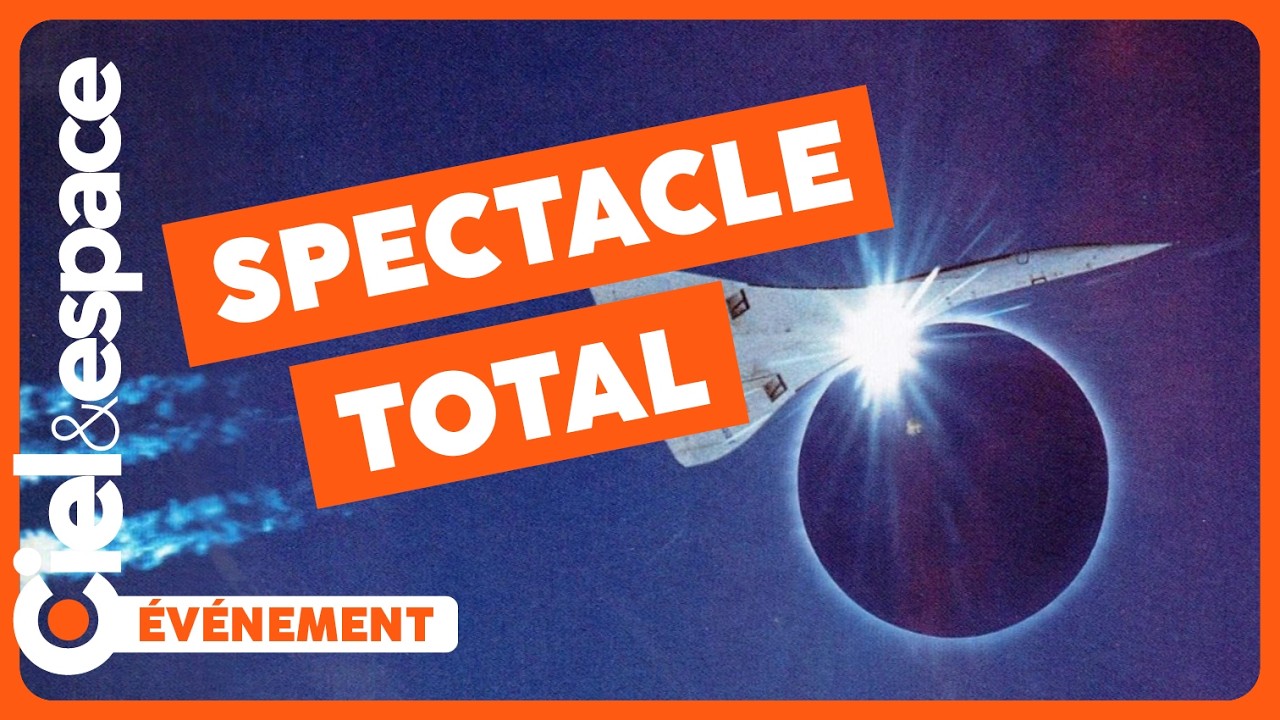
Cette ECLIPSE extraordinaire se produit dans moins d'un mois
Keywords
Summary
169 words
Critical Evaluation
The video provides a compelling and informative overview of total solar eclipses, effectively conveying the scientific and experiential significance of totality. It correctly explains that even a 99% partial eclipse is fundamentally different from totality, as the remaining 1% of the Sun’s light is still intense. The description of physical phenomena during totality, such as the temperature drop and the eclipse wind, is accurate and well-illustrated with examples. The historical anecdotes add cultural richness, though they are not thoroughly sourced. The video’s promotional nature is evident, as it heavily advertises the magazine’s special issue, but this does not detract from the educational value. However, the video lacks specific citations to scientific studies or detailed references, which limits its scientific rigor. The title accurately reflects the content, and the video is well-structured, with clear explanations and engaging visuals. Overall, it serves as a good introductory resource for the general public, but for a more in-depth scientific analysis, additional sources would be needed.
161 words
Title / Content Match
The title accurately reflects the content, which focuses on the upcoming total solar eclipse of August 12, 2026.
Quality & Reliability
7/10
The video provides accurate astronomical information about solar eclipses, including the rarity of totality, the narrow path, and the physical phenomena during totality. It cites historical examples and mentions scientific expeditions. However, it is promotional in nature, aiming to sell a special issue, and lacks detailed citations or references to scientific sources.
Key Moments
Markers derived by PSI from the transcript: the creator did not define chapters.
- Introduction: fascination for total solar eclipses.
- Explanation of rarity: average 375 years at same location.
- Difference between 99% partial and total eclipse.
- 1999 eclipse in France: personal experience and observation.
- Physical phenomena during totality: temperature drop and eclipse wind.
- Animal behavior during eclipse.
- Upcoming eclipse on August 12, 2026, and promotion of special issue.
- Historical anecdotes: astronomer in balloon, Concorde expedition.
- Importance of proper eye protection and equipment.
- Conclusion: encourage viewers to prepare for the 2026 eclipse.
Cited Sources
- Ciel & Espace Hors-Série 54 — The video promotes this special issue as a guide for the eclipse, including eclipse glasses.
Concurring Sources
- NASA Eclipse Web Site — NASA provides authoritative data on eclipse paths and phenomena, consistent with the video's claims.
- Solar eclipse - Wikipedia — Wikipedia article confirms the rarity of totality at a given location and the narrow path of totality.
Contribution & Novelties
The video provides a compelling synthesis of why total solar eclipses are unique, emphasizing the stark contrast between partial and total phases. It offers practical advice for observation and historical context, making it a valuable resource for the general public. However, it does not present new scientific findings.
Pour aller plus loin :
- Solar eclipse - Wikipedia — Comprehensive overview of solar eclipses, types, and phenomena.
- Total solar eclipse of August 12, 2026 - Wikipedia — Specific details about the upcoming eclipse, including path and visibility.
- NASA Eclipse Web Site — Official NASA resource for eclipse data, maps, and predictions.
- Corona - Wikipedia — Information about the Sun’s corona, visible during totality.
- Eclipse wind - Wikipedia — Explanation of the phenomenon of wind changes during eclipses.
126 words
Radar Profile
The radar profile shows high scores in quantity and quality of information, moderate technical level, and good reliability. This indicates a well-balanced video that is informative and accessible, with a slight emphasis on providing a broad overview rather than deep technical detail.