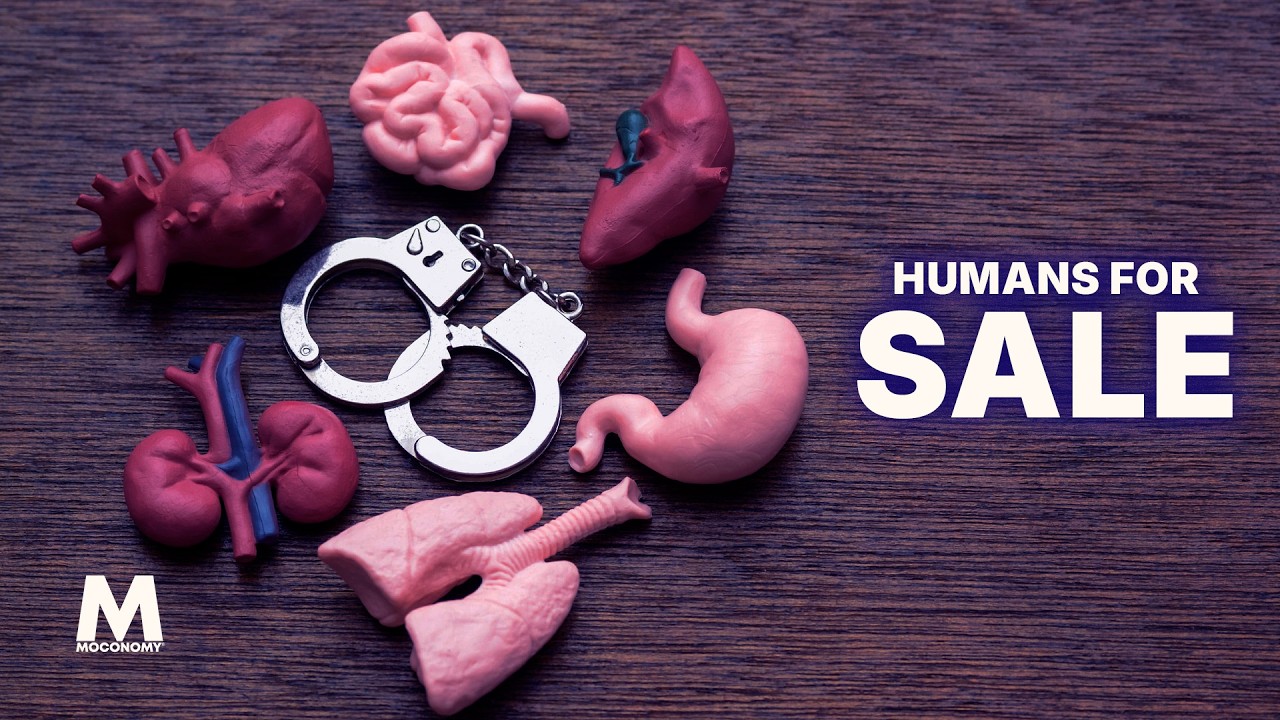
Tales from the Organ Trade | The Black Market Explained
Keywords
Summary
148 words
Critical Evaluation
The documentary provides a compelling and well-structured investigation into the organ trade, combining personal narratives with broader systemic analysis. It excels in humanizing the issue, showing the desperation of both patients and donors, and the complex web of brokers and medical professionals. The inclusion of the Medicus case adds a concrete legal dimension, with prosecutor Jonathan Rattel explaining the charges and the international scope of the trafficking network. The film’s strength lies in its balanced portrayal: it does not simply condemn the practice but explores the ethical gray areas, such as Raul’s gratitude for his life-saving transplant despite its illegality. However, the documentary could benefit from more rigorous sourcing; while it mentions statistics like ‘10-15% of all organ transplants are illegal,’ it does not provide specific references. The production values are high, with undercover footage and interviews that lend authenticity. The title accurately reflects the content, and the film’s length allows for in-depth exploration. Overall, it is a thought-provoking and informative piece that raises important questions about healthcare, poverty, and morality.
171 words
Title / Content Match
The title accurately reflects the content, which explores the black market for organs through personal stories and investigative reporting.
Quality & Reliability
8/10
The documentary is based on a real investigation, featuring interviews with patients, brokers, prosecutors, and experts, and covers the Medicus case with legal documents and undercover footage. It is well-researched and presents multiple perspectives, though it lacks explicit citations for some statistics.
Chapters
- The miracle of transplants
- A global shortage of organs
- Life on dialysis
- Buying a kidney overseas
- Kosovo and the Medicus case
- Brokers and middlemen
- The Philippines kidney market
- Poverty and consent
- Doctors, clinics and legal loopholes
- The price of a kidney
- When the donor becomes the victim
- Altruistic donation
- Should organ sales be regulated?
- The moral dilemma
- The donor and the recipient
- The system that keeps going
- Conclusion: life, money and desperation
Cited Sources
- Moconomy Playlist — Related playlist on the channel
- Moconomy Playlist 2 — Related playlist on the channel
- Related Video 1 — Referenced in description
- Related Video 2 — Referenced in description
- Related Video 3 — Referenced in description
Concurring Sources
- Declaration of Istanbul on Organ Trafficking and Transplant Tourism — International consensus on ethical transplantation practices.
- World Health Organization on Organ Trafficking — Global health perspective on organ trafficking.
Dissenting Sources
- Proponents of regulated organ markets — Some economists and ethicists argue that legalizing organ sales could reduce exploitation and increase supply, a view not fully explored in the documentary.
Contribution & Novelties
The documentary provides an in-depth, human-centered look at the organ trade, combining undercover investigation with personal stories. It offers a nuanced perspective on the ethical and economic drivers of the black market, and highlights the Medicus case as a landmark legal example.
Pour aller plus loin :
- Declaration of Istanbul on Organ Trafficking and Transplant Tourism — The international consensus document on ethical practices in transplantation.
- World Health Organization on Organ Trafficking — Overview of the global health perspective on organ trafficking.
- Council of Europe Convention against Trafficking in Human Organs — Legal framework for combating organ trafficking.
98 words
Radar Profile
The radar profile shows high scores in quantity and quality of information, with moderate technical level and high reliability, indicating a well-researched documentary that balances depth with accessibility.