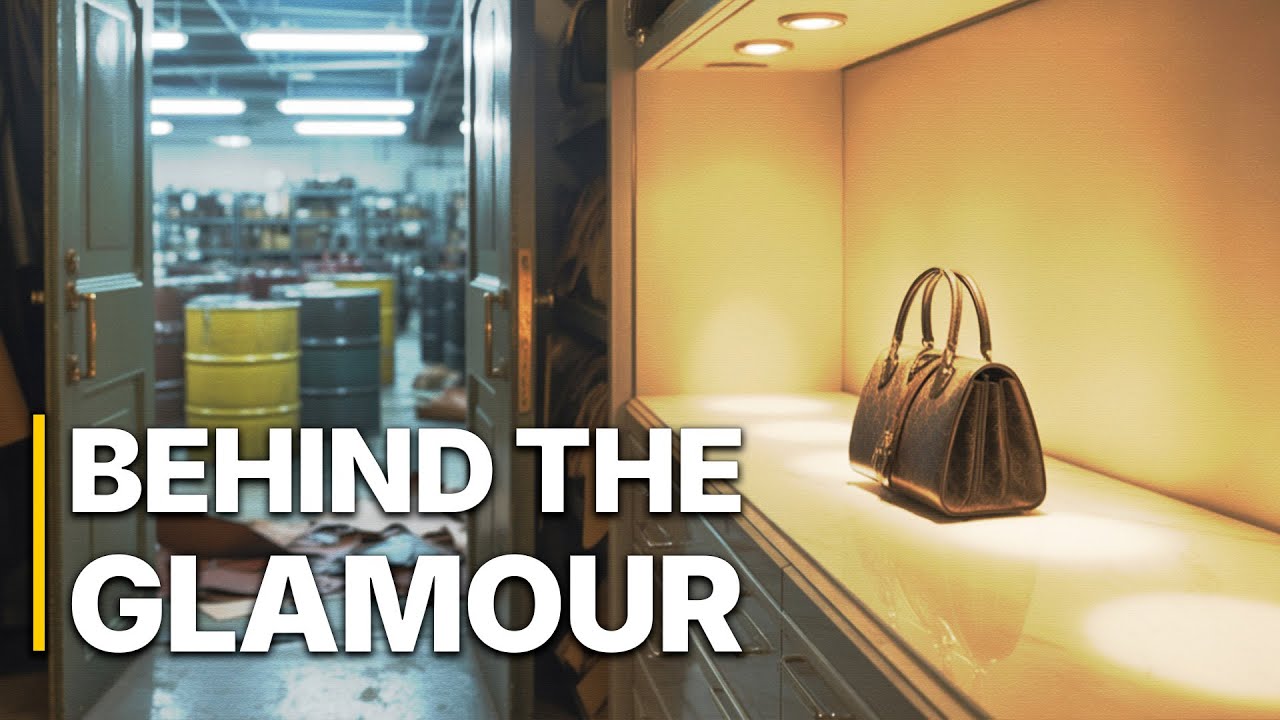
The Truth Behind Designer Brands | How Designer Brands Really Make Money
Keywords
Summary
153 words
Critical Evaluation
The documentary is a powerful and well-researched exposé that sheds light on the often-hidden realities of the luxury fashion industry. Its strength lies in its investigative approach, combining undercover footage, interviews with workers and experts, and analysis of internal documents. The filmmakers, Luc Hermann and Paul Moreira, are known for their rigorous journalism, and this film maintains that standard. The evidence presented is compelling: workers describe unsafe conditions, lost fingers, and physical abuse, while documents show a pattern of temporary contracts and accidents. The focus on the Tuscan leather district and the subcontracting chain effectively illustrates how brands can distance themselves from unethical practices while benefiting from them. The documentary also raises important questions about corporate responsibility and the effectiveness of self-regulation. However, there are limitations. The film relies heavily on testimonies from workers and whistleblowers, which, while credible, may be subject to bias. The brands mentioned, such as LVMH and Max Mara, declined to participate, so their perspective is missing. The documentary also does not provide a comprehensive analysis of the economic factors driving these practices, such as consumer demand and pricing. Despite these caveats, the film’s message is clear and well-supported: the luxury industry’s glamour masks a dark underbelly of exploitation and cruelty. The title accurately reflects the content, and the documentary serves as a valuable call for greater transparency and ethical reform. Overall, it is a thought-provoking and important piece of investigative journalism, though it could benefit from a more balanced presentation of industry responses.
248 words
Title / Content Match
The title accurately reflects the content, which reveals the hidden costs and profit mechanisms behind designer brands.
Quality & Reliability
8/10
The documentary is an investigative report by experienced journalists (Cash Investigation) with undercover footage, interviews, and documents. It exposes unethical practices in the luxury supply chain. While it is not peer-reviewed, the methodology is rigorous for a journalistic investigation, and the claims are supported by testimonies and documents. The score reflects high reliability for a documentary, with minor caveats about potential bias and lack of direct brand responses.
Key Moments
Markers derived by PSI from the transcript: the creator did not define chapters.
- Introduction to the luxury industry and its reliance on leather goods.
- Investigation begins in Tuscany, visiting the Zabri tannery.
- Undercover footage at Termopla subcontractor, revealing harsh conditions.
- Interviews with workers who suffered injuries and abuse.
- Investigation of Chinese fur farms and animal cruelty.
- Discussion of the European Commission's rejection of the labor report.
Cited Sources
- Cash Investigation - Luxury: Behind the Mirror — The documentary itself, produced by Premières Lignes and France Télévisions.
Concurring Sources
- The True Cost (documentary) — Similar exposé of the fashion industry's ethical and environmental problems.
- Fashion Revolution — Campaigns for transparency and ethical practices in fashion supply chains.
Dissenting Sources
- LVMH Code of Conduct
Contribution & Novelties
The documentary provides a rare, in-depth look at the hidden supply chains of the luxury industry, combining undercover footage and testimonies to expose labor abuses and animal cruelty. It highlights the disconnect between brands’ ethical claims and the reality of their subcontracting practices.
Pour aller plus loin :
- The True Cost (documentary) — Explores the environmental and social impact of fast fashion.
- Fashion Revolution — A global movement advocating for transparency and sustainability in fashion.
- International Labour Organization (ILO) - Decent Work — Provides standards and reports on labor conditions worldwide.
91 words
Radar Profile
The radar profile shows high scores in quantity and quality of information, reflecting the documentary's depth and investigative rigor. The technical level is moderate, as it is accessible to a general audience. The reliability is high for a journalistic piece, though not academic.
💬 Négatif : Sur les 30 commentaires analysés, la majorité exprime de la tristesse, de la colère et de la déception face aux pratiques révélées, certains appelant à une plus grande transparence et à des changements dans l'industrie.