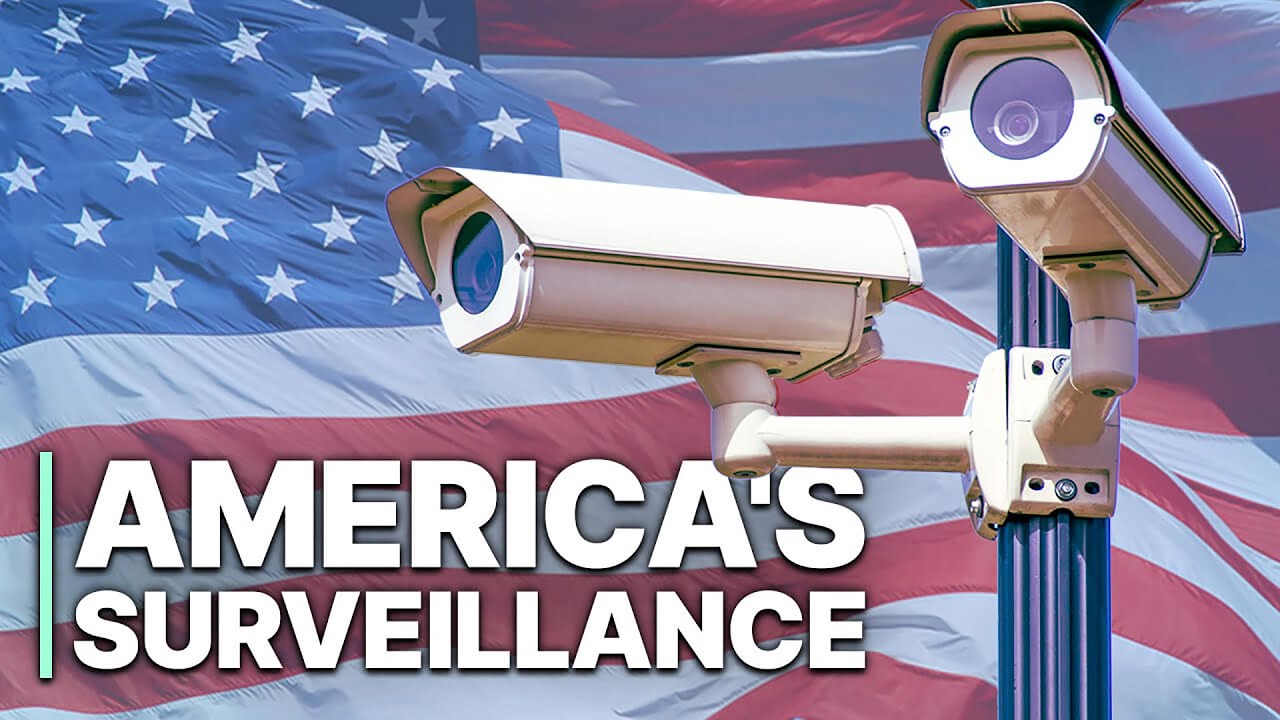
America’s Surveillance State | Your Privacy is Dead - Here's Who's Tracking You
Keywords
Summary
136 words
Critical Evaluation
The documentary provides a compelling and well-structured overview of the surveillance state in America, effectively using interviews and archival footage to build its argument. It excels in presenting the human impact of surveillance, with personal testimonies from whistleblowers and activists that add emotional weight. The inclusion of diverse voices, such as former FBI agent Michael German and journalist James Bamford, lends credibility to the narrative. However, the film is clearly one-sided, presenting a critical perspective without adequately addressing counterarguments from government officials or proponents of surveillance. This lack of balance reduces its overall objectivity. The technical aspects are accessible to a general audience, but the film could have delved deeper into the technical mechanisms of surveillance. The sources cited are primarily interviews and public statements, which are reliable but not independently verified. The documentary’s strength lies in its ability to provoke thought and raise awareness, but it falls short of being a comprehensive, unbiased analysis. The title accurately reflects the content, and the film’s message is clear: privacy is under threat. Overall, it is a valuable resource for understanding the surveillance debate, but viewers should seek additional perspectives for a more balanced view.
193 words
Title / Content Match
The title accurately reflects the content, which focuses on the pervasive surveillance in America and the erosion of privacy.
Quality & Reliability
7/10
The documentary presents a critical view of mass surveillance in the US, featuring interviews with experts, whistleblowers, and critics. It relies on well-known events (Snowden leaks) and includes perspectives from various stakeholders. However, it is clearly opinionated and lacks a balanced presentation of counterarguments, which affects its overall reliability.
Chapters
Cited Sources
- Moconomy YouTube Channel — The video itself is the primary source, containing the documentary and its interviews.
Concurring Sources
- The Intercept — Investigative journalism outlet that has published many articles on surveillance, aligning with the documentary's critical perspective.
Dissenting Sources
- NSA Official Website
Contribution & Novelties
The documentary synthesizes existing knowledge about surveillance into a compelling narrative, making it accessible to a broad audience. It contributes to the public discourse by highlighting the human rights implications of mass surveillance and the importance of whistleblowers.
Pour aller plus loin :
- Edward Snowden’s revelations — Provides background on the leaks that sparked the debate.
- NSA surveillance programs — Details the technical capabilities of the NSA.
- Privacy and Civil Liberties Oversight Board — Official body overseeing surveillance policies.
79 words
Radar Profile
The radar profile shows high scores in quantity of information and quality of information, indicating a content-rich documentary. However, the technical level is moderate, and reliability is slightly lower due to the one-sided presentation. Overall, it is a well-produced documentary with strong informational value but limited technical depth.
💬 The comments are predominantly negative towards surveillance, with many expressing concerns about privacy and government overreach. Some comments also praise whistleblowers like Snowden and Assange. The overall sentiment is critical of the surveillance state, with a few comments sharing personal experiences of being monitored.