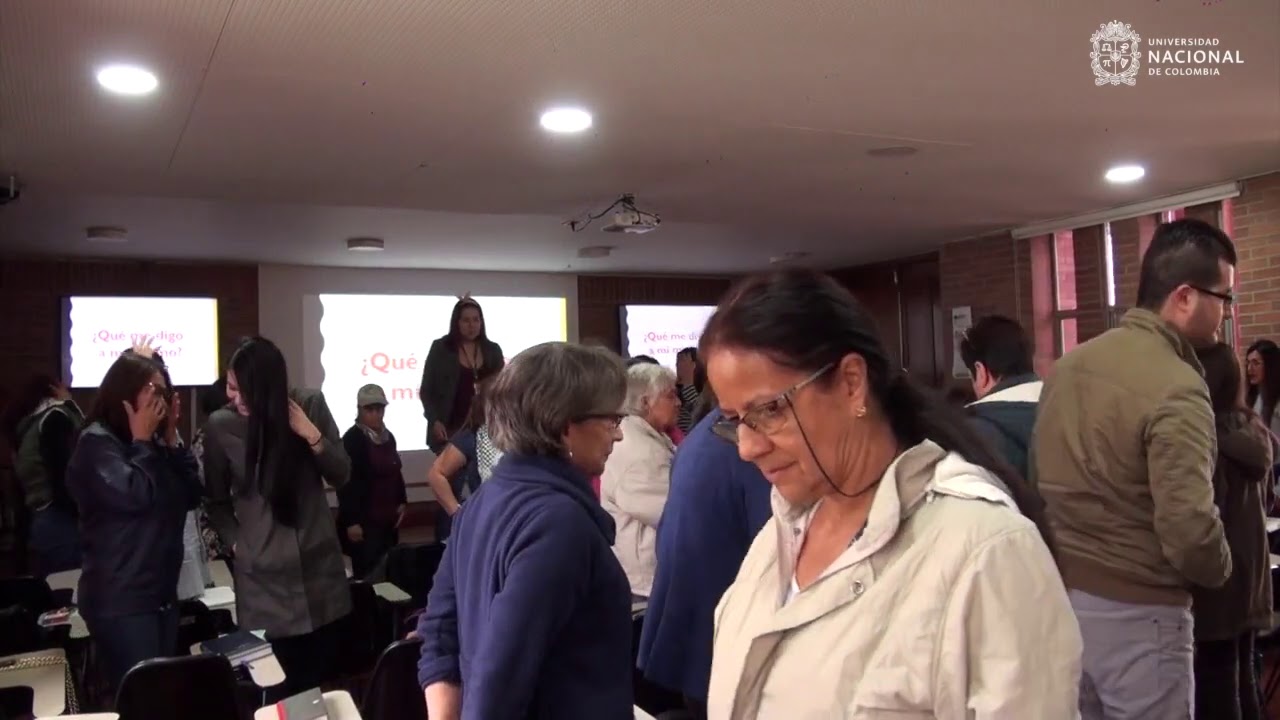
Comunicación para la Vida.
Keywords
Summary
129 words
Critical Evaluation
Value of the Information & Strength of the Argument
The video provides valuable insights into the often-overlooked aspect of caregiver self-care and communication. The argumentation is based on experiential and anecdotal evidence, which is appropriate for a workshop-style presentation. The speaker effectively uses rhetorical questions and interactive exercises to engage the audience and reinforce her points. However, the lack of empirical data or references to scientific literature weakens the argumentative rigor. The value lies in its practical, humanistic approach, which can resonate with caregivers and offer immediate strategies for improving communication and self-awareness.
Scientific Rigor, Source Quality, Title Accuracy
The scientific rigor is moderate: the content is grounded in health communication principles but lacks explicit citations or references to research. The source is an institutional channel (Universidad Nacional de Colombia), which adds credibility, but no specific studies or sources are cited. The title accurately reflects the content, focusing on communication as a life-affirming practice. The video does not present original research but rather an expert opinion and practical guidance, which is appropriate for its intended audience of caregivers.
178 words
Title / Content Match
The title 'Communication for Life' accurately reflects the content, which emphasizes the importance of communication in caregiving contexts.
Quality & Reliability
6/10
The video is a conference presentation by a university institute, providing expert opinion and practical advice on communication in caregiving. It lacks formal citations and empirical data, but the institutional affiliation and focus on health communication lend some credibility.
Key Moments
Markers derived by PSI from the transcript: the creator did not define chapters.
- Introduction to the conference and the importance of communication in health.
- Discussion on how caregivers often forget their own identity and needs.
- Interactive exercise: participants are asked to reflect on their self-communication.
- Emphasis on non-verbal communication and reading the patient's body language.
- Encouragement for caregivers to value their own work and practice self-care.
- Closing remarks on the importance of self-communication in caregiving.
Contribution & Novelties
The video offers a unique perspective on caregiving by focusing on the caregiver’s internal communication and self-awareness, which is often neglected in health communication literature. It provides practical exercises and a humanistic approach that can complement existing caregiver support programs.
Pour aller plus loin :
- Caregiver burnout — Relevant for understanding the psychological impact on caregivers.
- Therapeutic communication — Provides a framework for effective communication in healthcare settings.
- Mindfulness-based stress reduction — A technique that can help caregivers improve self-awareness and reduce stress.
83 words
Radar Profile
The radar profile shows moderate scores across all dimensions, with a slightly higher emphasis on quality and reliability compared to quantity and technical depth. This reflects a balanced but not deeply technical presentation, suitable for a general audience.