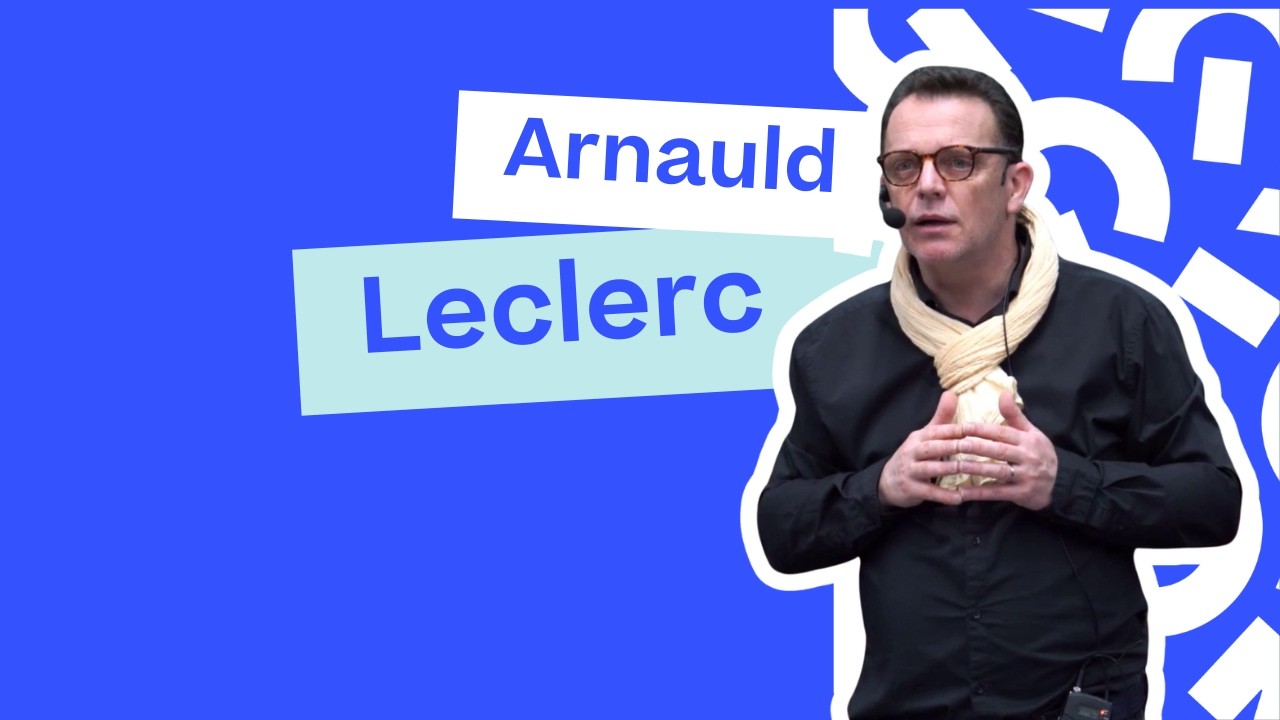
Arnauld Leclerc - Les élections municipales : enjeux locaux, impact national ?
Keywords
Summary
226 words
Critical Evaluation
The conference provides a comprehensive and well-structured overview of the French municipal elections, drawing on official data and recent surveys. The speaker, Arnauld Leclerc, is a qualified political scientist, which lends credibility to the analysis. He effectively explains the complex electoral system, including the majority bonus and the dual nature of the election, making it accessible to a general audience. The use of concrete figures, such as the number of candidates and lists, grounds the discussion in empirical evidence. However, the presentation is primarily descriptive rather than analytical, and the speaker does not deeply explore the implications of the trends he identifies. For instance, while he notes the high percentage of candidates without party labels, he does not fully analyze what this means for political representation or party system. Additionally, the conference focuses heavily on procedural details, which may be less engaging for viewers interested in broader political dynamics. The speaker also acknowledges that the election is not receiving much media attention, which could limit its perceived importance. Overall, the content is reliable and informative, but it lacks critical depth and could benefit from more comparative analysis or theoretical framing. The title suggests a discussion of national impact, but the speaker only briefly touches on this, focusing more on local issues. This slight mismatch is reflected in the overall rating.
220 words
Title / Content Match
The title accurately reflects the content, as the speaker discusses local issues and their potential national impact, though the emphasis is more on local dynamics.
Quality & Reliability
8/10
The speaker is a professor of political science at Nantes University, with expertise in democracy and European politics. The content is based on official data (Ministry of Interior) and recent surveys (CEVIPOF). The presentation is structured and factual, though it includes personal analysis and interpretations.
Key Moments
Markers derived by PSI from the transcript: the creator did not define chapters.
- Introduction: historical context of communes and the 1884 law establishing municipal elections.
- Statistics on candidates: 887,815 candidates, decrease compared to previous elections, and the phenomenon of joke candidacies.
- Explanation of the dual election: municipal and intercommunal councils, with the exception of Lyon.
- Context of political distrust: 78% of French people do not trust politics, but mayors are the most trusted authority.
- Media coverage: the election is overshadowed by international crises, except in Paris, Lyon, and Marseille.
- Breakdown of candidates by political label: 65% without label, and distribution of lists by party.
- Electoral calendar and key dates for the first and second rounds.
- Electoral rules: threshold of 10% for second round, 5% for merging, and the majority bonus system.
- Number of municipal councilors varies by commune size, from 7 to 69.
- Discussion of new communes and their impact on local elections.
Cited Sources
- Nantes Université on LinkedIn — Official LinkedIn page of Nantes Université, mentioned in the video description.
- Nantes Université YouTube Channel — Official YouTube channel of Nantes Université, where the video is hosted.
Concurring Sources
- CEVIPOF - Barometer of political trust — The speaker cites the CEVIPOF barometer showing 78% distrust in politics, which is a reliable source.
Contribution & Novelties
The conference provides a clear and up-to-date overview of the French municipal elections, with specific data for the 2026 cycle. It highlights the high number of candidates without party labels and the low media attention, which are notable trends. The speaker also explains the electoral system in an accessible way.
Pour aller plus loin :
- French municipal elections (Wikipedia) — Provides general background on the electoral system and history.
- CEVIPOF — The research center mentioned in the video for political trust surveys.
- Ministry of Interior - Electoral data — Official source for candidate statistics and electoral results.
97 words
Radar Profile
The radar profile shows high scores in quantity and quality of information, with a moderate technical level and high reliability. This indicates a well-informed and trustworthy presentation, though not overly technical.