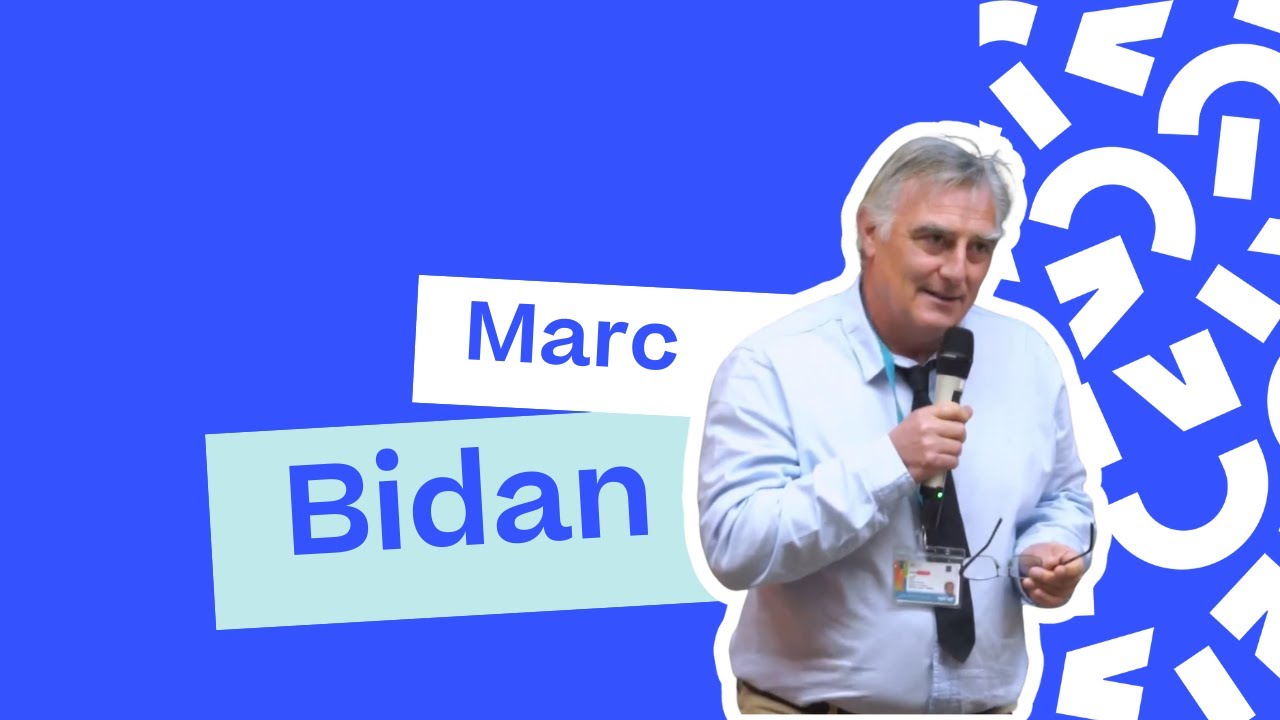
Marc Bidan - Cryptomonnaies et disruption financière ?
Keywords
Summary
170 words
Critical Evaluation
The conference offers a balanced and critical perspective on cryptocurrencies, avoiding both hype and dismissal. Bidan’s expertise in information systems management lends credibility to his explanations of blockchain technology and its applications. He effectively demystifies complex concepts such as tokens, NFTs, and smart contracts, making them accessible to a general audience. The speaker is careful to distinguish between legal definitions and popular usage, citing the Banque de France’s position that cryptocurrencies are not currencies. He also addresses the regulatory landscape, noting recent legislative changes in France. The argumentation is solid, though the talk is more descriptive than analytical, lacking deep economic or technical data. The speaker acknowledges the speculative and sometimes illicit aspects of the crypto space but does not dwell on them. The sources cited are limited to the university’s LinkedIn and YouTube channel, which are not directly related to the content. Overall, the talk provides a valuable introduction to the topic, but it could benefit from more concrete examples and references to academic or institutional studies.
168 words
Title / Content Match
The title accurately reflects the content, which discusses cryptocurrencies and their potential disruptive impact on the financial system, though the speaker emphasizes that disruption is not yet realized.
Quality & Reliability
7/10
The speaker is a professor of information systems management, providing a balanced and critical overview of cryptocurrencies. He clearly distinguishes between legal definitions (e.g., Banque de France) and popular usage, and avoids sensationalism. However, the talk is largely conceptual and lacks detailed citations or empirical data.
Key Moments
Markers derived by PSI from the transcript: the creator did not define chapters.
- Introduction: speaker outlines common pitfalls in discussing cryptocurrencies, including sensationalism and technical jargon.
- Definition of cryptoassets and distinction from legal currencies according to the Banque de France.
- Explanation of blockchain technology and its decentralized nature.
- Discussion of tokens, fungibility, and NFTs with examples.
- Overview of the crypto ecosystem: exchanges, institutional investors, and fintechs.
- Analysis of the dollar's dominance and the potential for disruption.
- Regulatory challenges and recent legal developments in France.
- Conclusion: cryptocurrencies are not yet disruptive but are reshaping trust and regulation.
Cited Sources
- Nantes Université LinkedIn — Official university LinkedIn page, likely for institutional context.
- Nantes Université YouTube Channel — Official YouTube channel of the university hosting the conference.
Concurring Sources
- Banque de France on cryptoassets — Official position of the Banque de France on cryptoassets, aligning with the speaker's distinction.
Dissenting Sources
- Cryptocurrency as money — Some economists argue that certain cryptocurrencies can function as money, contrary to the speaker's strict definition.
Contribution & Novelties
The talk provides a clear, non-technical introduction to cryptocurrencies, emphasizing the distinction between cryptoassets and legal currencies, and the role of blockchain in enabling decentralized trust. It offers a balanced view on the potential for disruption, noting that the dollar remains dominant. The speaker’s academic background adds credibility.
Pour aller plus loin :
- Bitcoin whitepaper — Original paper by Satoshi Nakamoto, foundational for understanding Bitcoin.
- Blockchain on Wikipedia — Overview of blockchain technology.
- Non-fungible token on Wikipedia — Explanation of NFTs and their applications.
- Central bank digital currency on Wikipedia — Overview of CBDCs and their implications.
97 words
Radar Profile
The radar profile shows balanced scores across information quantity, quality, technical level, and reliability, indicating a well-rounded presentation. The talk is informative and credible, with a slight emphasis on qualitative explanation over quantitative data.