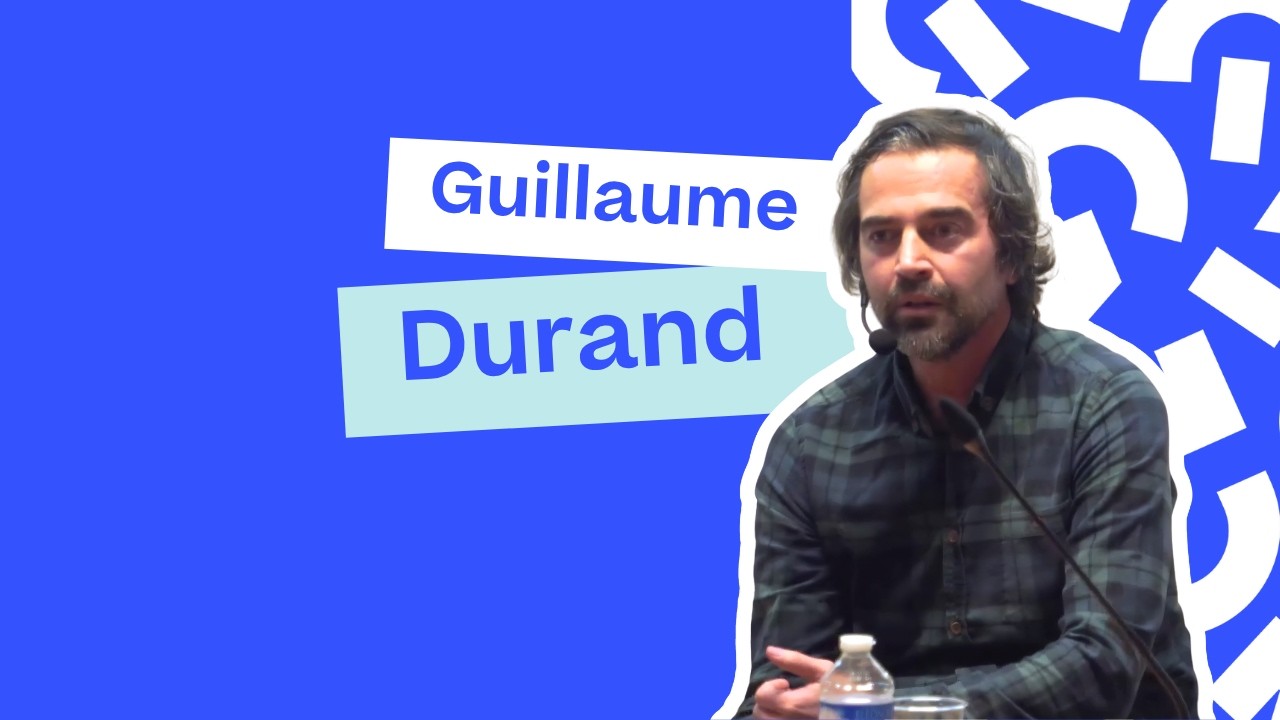
Passage des sciences - Quand le doute fait avancer... l'éthique à l'hôpital
Keywords
Summary
143 words
Critical Evaluation
The video offers a valuable insight into the practice of clinical ethics in a hospital setting. Guillaume Durand, as a philosopher embedded in a medical team, provides a unique perspective on how philosophical reflection can accompany caregivers in difficult situations. His argumentation is solid, grounded in his extensive experience and illustrated with a concrete case (the hysterectomy request). He clearly explains the methodology of clinical ethics consultations, emphasizing the collective nature and the importance of doubt. The discussion is rigorous, though it remains an expert opinion rather than a systematic study. The sources are not explicitly cited, but the speaker’s credentials and the institutional context (Nantes Université, hospital) lend credibility. The title accurately reflects the content. The audience interaction adds depth, with a practitioner highlighting the gap between daytime consultations and nighttime emergencies, which Durand acknowledges. Overall, the video is informative and thought-provoking, though it could benefit from more explicit references to literature or guidelines. The presence of a promotional segment for the documentary is noted but does not detract from the content.
173 words
Title / Content Match
The title accurately reflects the content: a discussion on ethics in hospitals, focusing on how doubt and philosophical reflection can improve medical practice.
Quality & Reliability
8/10
The speaker is a philosopher with a PhD and a master of conferences at Nantes University, directing a clinical ethics consultation at a hospital. The content is based on his professional experience and expertise, with concrete examples. The discussion is moderated and includes audience interaction, adding credibility. However, it is an opinion/expert talk, not a systematic review or study, so a slight deduction is made.
Key Moments
Markers derived by PSI from the transcript: the creator did not define chapters.
- Introduction and welcome of Guillaume Durand
- Discussion of Durand's typical day and his role at the hospital
- Durand's academic background and shift to applied ethics
- Definition of ethics in the hospital context and example of hysterectomy request
- Audience question about nighttime emergencies and the gap with daytime consultations
- Discussion on the role of doubt and collective decision-making
Cited Sources
- Nantes Université LinkedIn — Official LinkedIn page of Nantes Université, mentioned in the video description.
- Nantes Université YouTube channel — Official YouTube channel of Nantes Université, mentioned in the video description.
Concurring Sources
- Clinical ethics — General concept of clinical ethics, consistent with the video's topic.
Contribution & Novelties
The video provides an original perspective on the integration of philosophy into hospital ethics, highlighting the importance of doubt and collective reflection. It offers a concrete example of a clinical ethics consultation and discusses the challenges of applying ethics in emergency situations.
Pour aller plus loin :
- Clinical ethics — Overview of clinical ethics as a field.
- Bioethics — Broader context of ethical issues in medicine.
- Principlism — The four principles approach often used in medical ethics.
77 words
Radar Profile
The radar profile shows high scores in quality of information and reliability, reflecting the expert status of the speaker and the institutional context. The quantity of information is moderate, and the technical level is moderate, making the content accessible to a general audience while still providing depth.