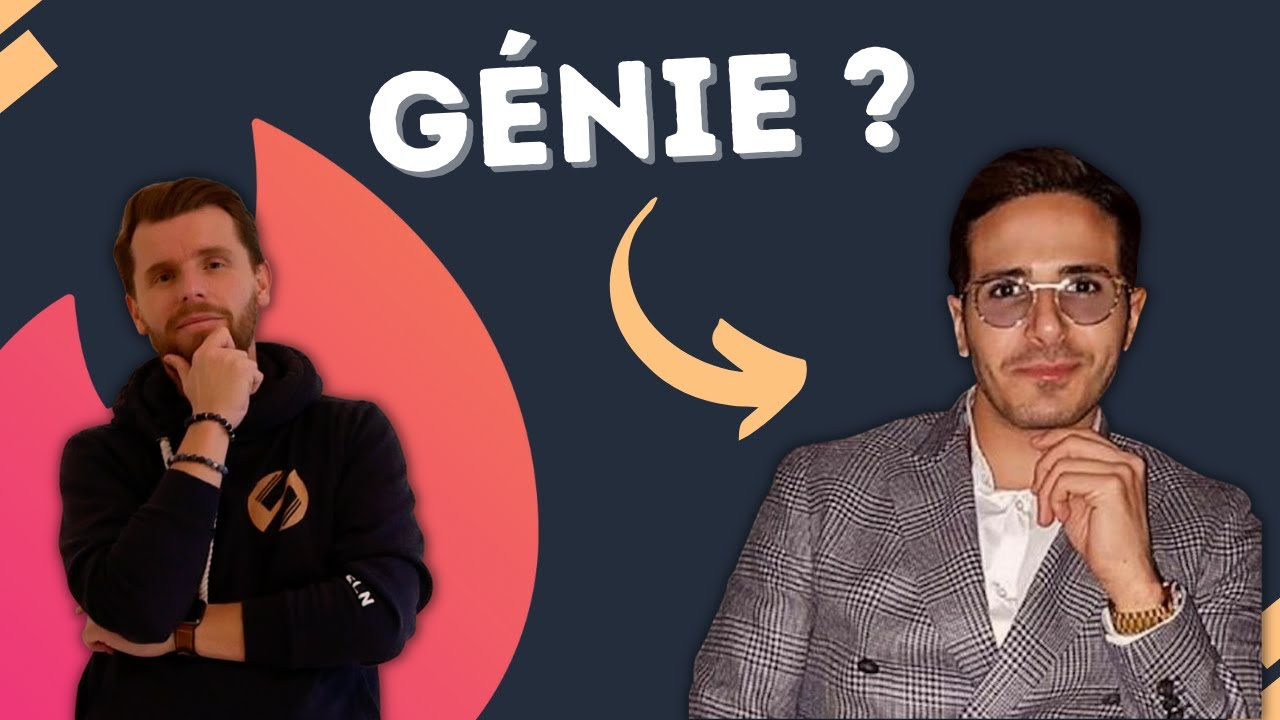
L’ARNAQUEUR DE TINDER, GENIE DU MARKETING ? SA STRATÉGIE DÉCRYPTÉE (🧲 → ❤️ → 💵)
Keywords
Summary
142 words
Critical Evaluation
Value of the Information & Strength of the Argument
The video offers a clear and structured breakdown of the manipulation tactics used by the Tinder Swindler, linking them to well-known marketing and persuasion principles such as the liking bias, urgency, storytelling, and reciprocity. The argumentation is logical and easy to follow, with each step of the process explained in sequence. However, the analysis relies heavily on anecdotal evidence from the Netflix documentary and the creator’s own interpretation, lacking empirical data or references to academic studies. The ethical framing is present, but the depth of analysis is limited, and the video does not critically examine the broader societal or psychological implications beyond the marketing lens.
Scientific Rigor, Source Quality, Title Accuracy
The video is based on the Netflix documentary ‘The Tinder Swindler’ and the creator’s own expertise in marketing. No external scientific sources are cited, and the analysis is presented as opinion rather than evidence-based research. The title accurately reflects the content, which is a marketing-focused analysis of the case. The video includes a brief disclaimer about not glorifying the criminal, but the overall scientific rigor is moderate, as it relies on popular psychology concepts without deep academic grounding.
198 words
Title / Content Match
The title accurately reflects the content, which decodes the marketing strategy behind the Tinder Swindler's actions.
Quality & Reliability
6/10
The video provides a structured analysis of the Tinder Swindler case using established marketing and persuasion concepts, but relies on anecdotal evidence and lacks rigorous scientific sourcing.
Chapters
Cited Sources
- The Tinder Swindler (Netflix documentary) — The video is based on this documentary, which tells the story of Simon Leviev.
Concurring Sources
- Cialdini's Influence: Science and Practice — The video's concepts align with Cialdini's work on persuasion, though not explicitly cited.
Contribution & Novelties
The video provides a practical, marketing-oriented perspective on a widely discussed true-crime story, making it accessible to a general audience. It connects the scam to everyday marketing tactics, which may help viewers recognize manipulation in various contexts. However, the content is not novel in academic terms, as the concepts (liking, urgency, storytelling, reciprocity) are well-established in persuasion psychology.
Pour aller plus loin :
- Cialdini’s Principles of Persuasion — Overview of the six principles, including reciprocity and liking, which are central to the video’s analysis.
- Liking bias — Explanation of the psychological bias that makes us more likely to trust people we find similar or attractive.
- Storytelling in marketing — General concept of using narratives to engage audiences, relevant to the seduction phase.
122 words
Radar Profile
The radar profile shows moderate scores across all dimensions, indicating a balanced but not deeply rigorous analysis. The video is informative for a general audience but lacks the depth and sourcing expected of a scientific resource.