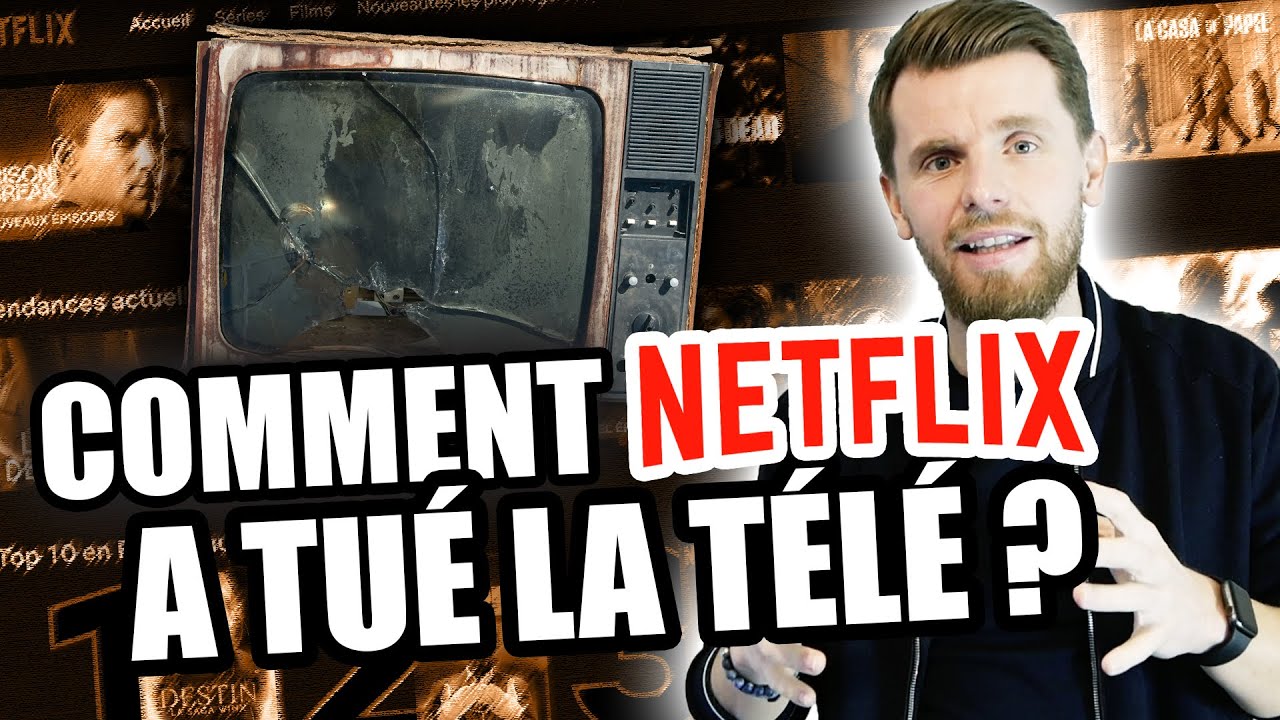
Comment NETFLIX a TUÉ la TÉLÉ ? (Et ça a été facile) - Analyse Stratégie Marketing et Algorithme
Keywords
Summary
161 words
Critical Evaluation
Value of the Information & Strength of the Argument
The video provides a clear and structured overview of key marketing concepts applied to Netflix. The argumentation is persuasive, using a logical progression from the initial free trial to the psychological hooks that retain subscribers. The creator effectively uses the foot-in-the-door study to support his point, and the explanation of the algorithm’s personalization is concrete with the Stranger Things example. However, the value is limited by the lack of depth in some areas; for instance, the algorithm’s technical aspects are simplified, and the discussion of Maslow’s hierarchy is brief. The argumentation is solid but relies heavily on anecdotal evidence and personal observations rather than comprehensive data or expert interviews.
Scientific Rigor, Source Quality, Title Accuracy
The video cites a specific psychological study (Freedman & Fraser) and mentions the Job to be Done concept, but does not provide direct references or links in the description. The description includes chapter markers and keywords but no sources. The title is somewhat sensationalist (‘killed TV’) but the content does address the impact on television. The creator’s arguments are presented as expert opinion, but the lack of citations reduces the scientific rigor. The video’s structure is clear, and the chapter markers help navigation, but the absence of verifiable sources for most claims is a weakness.
219 words
Title / Content Match
The title is catchy and slightly exaggerated, but the content does analyze Netflix's strategy and its impact on television, so it is largely adequate.
Quality & Reliability
6/10
The video presents a coherent marketing analysis based on established concepts (foot-in-the-door, Maslow, Job to be Done) and references a classic study, but lacks citations for most claims and relies on anecdotal evidence.
Chapters
Cited Sources
- Freedman & Fraser (1966) - Compliance without pressure: The foot-in-the-door technique — Cited in the video as the psychological study behind the foot-in-the-door technique.
Concurring Sources
- Netflix's business model and strategy — General information on Netflix's growth and strategies.
Contribution & Novelties
The video offers a synthesis of known marketing concepts applied to Netflix, making it accessible to a general audience. Its originality lies in the combination of these concepts and the concrete examples from Netflix’s interface. However, it does not present new research or unique insights.
Pour aller plus loin :
- Job to be Done Theory — Framework for understanding customer motivations.
- Maslow’s hierarchy of needs — Psychological theory referenced in the video.
- Netflix’s recommendation system — Overview of the algorithmic challenge and approaches.
83 words
Radar Profile
The radar profile shows moderate scores across all dimensions, with a slight peak in information quantity and a dip in technical level. This indicates a balanced but not deeply technical analysis, suitable for a general audience.
💬 No comments were provided for analysis.