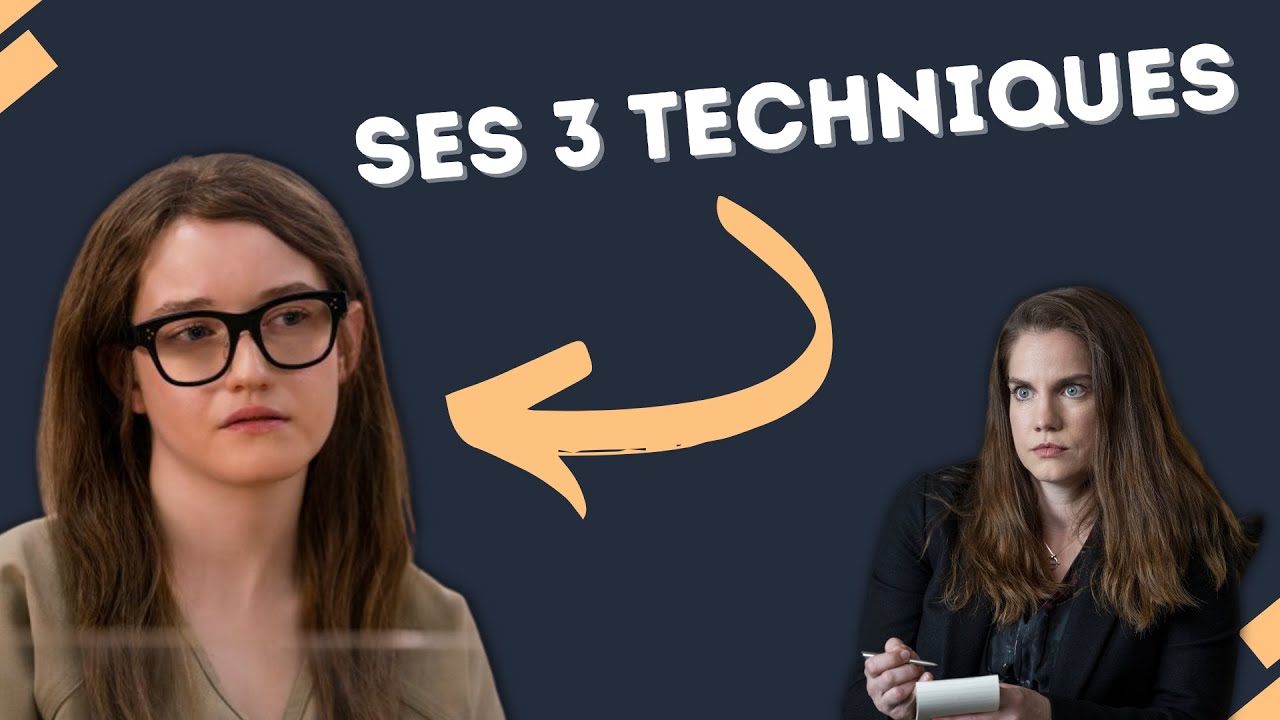
ANNA DELVEY : 3 TECHNIQUES POUR UNE ARNAQUE À 40 MILLIONS (elle y était presque) - INVENTING ANNA
Keywords
Summary
139 words
Critical Evaluation
Value of the Information & Strength of the Argument
The video provides a clear and structured explanation of three marketing techniques, using the Anna Delvey case as a concrete example. The argumentation is coherent and accessible, though it relies heavily on the Netflix series as a source rather than on primary documentation. The creator makes a valid point that these techniques are common in marketing and can be used unethically. However, the analysis lacks depth in terms of psychological or sociological evidence, and the examples given (e.g., Macron’s use of scientific council) are presented without rigorous sourcing.
Scientific Rigor, Source Quality, Title Accuracy
The video is based on the Netflix series ‘Inventing Anna’ and does not cite any external sources or studies. The title accurately reflects the content, which is an analysis of the techniques used in the scam. The creator’s expertise is not established, and the video is more of an opinion piece than a scientific analysis. The lack of verifiable sources and the reliance on a dramatized series reduce the scientific rigor. The video does not provide any references to academic literature or official documents, which limits its credibility as a factual account.
195 words
Title / Content Match
The title accurately reflects the content: the video presents three techniques used by Anna Delvey in her scam, as described in the Netflix series.
Quality & Reliability
5/10
The video is an opinion-based analysis of marketing techniques illustrated by the Anna Delvey case, based on a Netflix series. It lacks verifiable sources and scientific rigor, but the techniques described are well-known and accurately explained.
Chapters
Cited Sources
- Inventing Anna (Netflix series) — The video is based on the Netflix series 'Inventing Anna', which dramatizes the story of Anna Sorokin.
Concurring Sources
- Authority bias (Wikipedia) — The video's explanation of 'borrowing authority' aligns with the concept of authority bias.
- Lead scoring (Wikipedia) — The video's description of lead scoring matches the standard definition.
Dissenting Sources
- Anna Sorokin (Wikipedia) — The video relies on the Netflix series, which may have dramatized events. The Wikipedia article provides a factual account that could differ in details.
Contribution & Novelties
The video offers a practical breakdown of marketing techniques used in a real-world scam, making it useful for educational purposes. It connects the Anna Delvey case to broader marketing concepts, which can help viewers recognize similar tactics in their own lives.
Pour aller plus loin :
- Storytelling (Wikipedia) — Provides background on storytelling as a communication technique.
- Authority bias (Wikipedia) — Explains the cognitive bias that makes people trust authority figures.
- Lead scoring (Wikipedia) — Describes the method used by companies to rank prospects.
84 words
Radar Profile
The radar profile shows moderate scores across all dimensions, with slightly higher on information quantity and lower on technical level and reliability. This indicates a video that is informative but lacks depth and rigorous sourcing.
💬 No comments were provided for analysis.