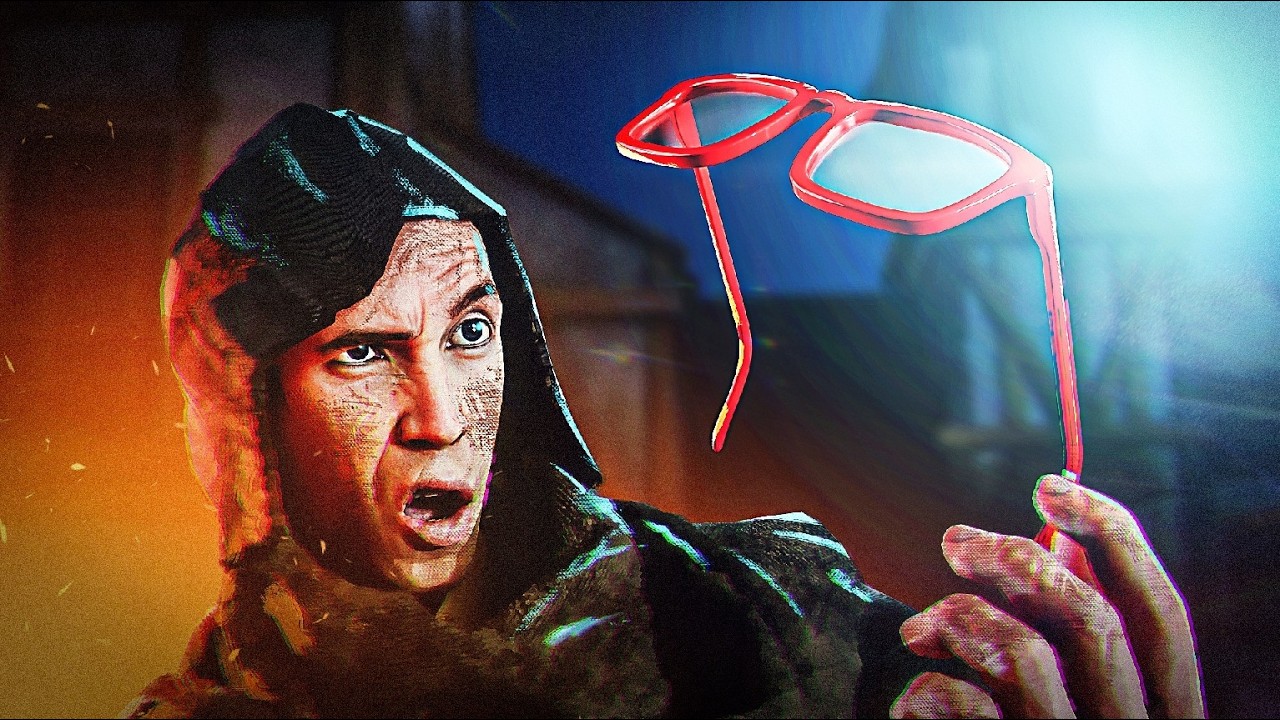
Comment nos ancêtres ont pu survivre sans ces objets ?
Keywords
Summary
164 words
Critical Evaluation
The video provides a compelling and well-structured narrative about the historical development of two everyday objects: alarm clocks and glasses. It effectively uses historical anecdotes, such as the ‘knocker-uppers’ in London, to illustrate the social impact of the industrial revolution. The discussion on the late invention of myopia glasses is insightful, linking it to literacy rates and the printing press. The video cites historical sources and academic studies, lending credibility to its claims. However, it sometimes oversimplifies complex historical and physiological topics, and the causal link between reading and myopia is presented as more definitive than current scientific consensus. The video also lacks a critical examination of the sources, and some claims are generalized without nuance. Nevertheless, the content is informative and engaging, successfully making historical connections relevant to modern life. The title accurately reflects the content, and the video maintains a high level of quality throughout.
147 words
Title / Content Match
The title accurately reflects the content, which explores how people in the past managed without modern objects like alarm clocks and glasses.
Quality & Reliability
7/10
The video is well-researched, citing historical sources and academic studies, but relies on popular science narratives and some generalizations. The documentary style is engaging but not peer-reviewed.
Key Moments
Markers derived by PSI from the transcript: the creator did not define chapters.
- Introduction: the question of how people woke up before alarm clocks.
- Discussion of the first alarm clock and the 'knocker-uppers' in London.
- Transition to the topic of glasses and vision problems in history.
- Explanation of early reading aids like magnifying glasses and the invention of spectacles.
- The late invention of myopia glasses and the role of literacy.
- Impact of the printing press on the demand for reading glasses.
- Modern rise in myopia and its link to reading and screen use.
- Conclusion: how our ancestors adapted without modern objects.
Cited Sources
- Documentation and sources for the episode — The creator's list of sources and further reading.
Concurring Sources
- History of spectacles — Provides historical background on the invention and evolution of eyeglasses.
- Myopia — Offers scientific context on myopia and its relation to near work.
Dissenting Sources
- No direct discordant sources found — The video's claims are generally consistent with mainstream historical and scientific understanding, though some simplifications exist.
External References
Contribution & Novelties
The video offers a fresh perspective on the history of everyday objects, connecting the invention of alarm clocks and glasses to broader social and economic changes. It highlights the role of the industrial revolution in creating the need for punctuality and the impact of literacy on vision correction.
Pour aller plus loin :
- History of spectacles — Wikipedia article providing a comprehensive overview of the development of eyeglasses.
- Myopia — Wikipedia article on myopia, including its causes and prevalence.
- Knocker-upper — Wikipedia article on the profession of waking people up in the past.
93 words
Radar Profile
The radar profile shows a balanced video with high scores in information quantity and quality, moderate technical depth, and good reliability. The video is informative and well-researched, making it suitable for a general audience interested in history and everyday life.
💬 Très positif. Sur les 30 commentaires analysés, les spectateurs expriment un fort enthousiasme pour la qualité de la vidéo et la pertinence du sujet, avec des éloges récurrents pour le placement de la publicité en fin de vidéo et des demandes de sujets similaires.