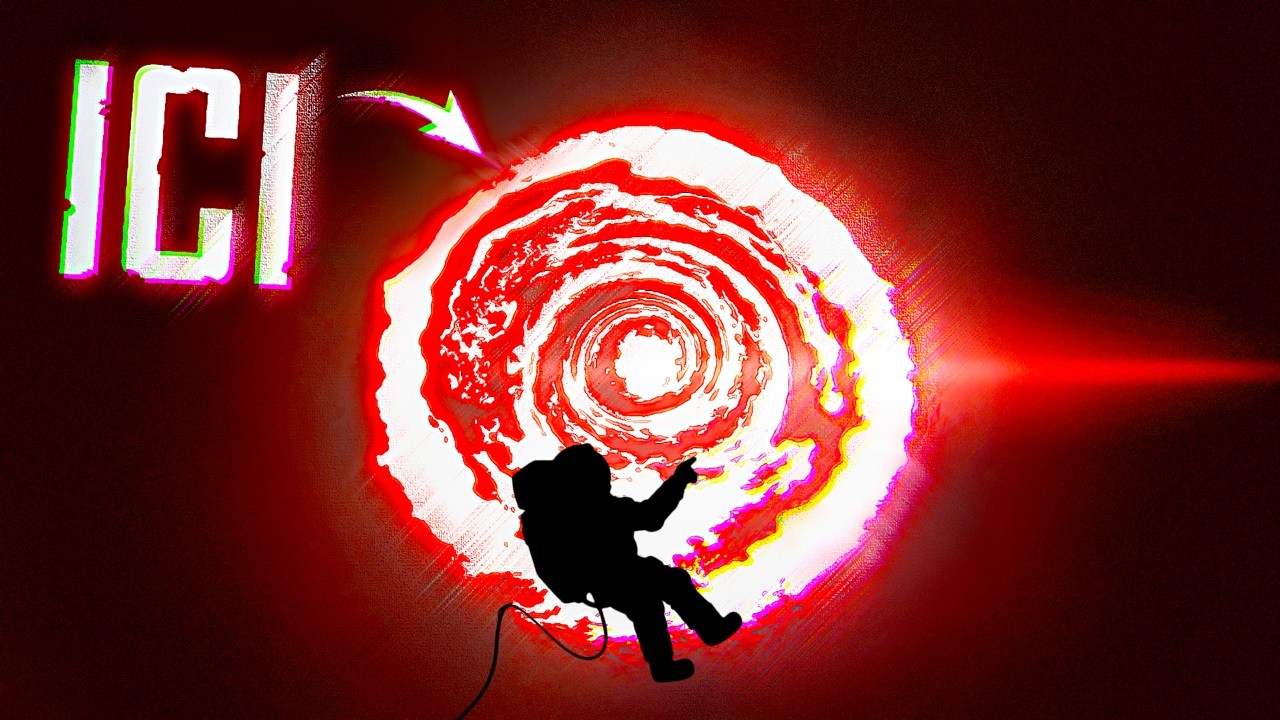
Des astronautes ont retrouvé l'Atlantide, par hasard
Keywords
Summary
168 words
Critical Evaluation
The video is an excellent example of science communication, effectively debunking a popular myth while educating viewers on cognitive biases. The narrator, Charlie Danger, demonstrates a high level of rigor by presenting the evidence for the Atlantis theory in a compelling manner before revealing its flaws. This approach not only engages the audience but also makes the lesson on the Texas sharpshooter fallacy more impactful. The video is well-researched, with references to Plato’s texts, geological studies, and the history of the theory. The argumentation is logical and clear, systematically addressing each claim and providing counter-evidence. The sources cited include a Google Docs document with links to scientific papers and articles, which adds to the credibility. The production quality is high, with good pacing and visuals. The title accurately reflects the content, and the video does not overpromise. The only minor weakness is that the video could have provided more depth on the geological formation of the Richat Structure, but this is not a significant issue. Overall, this is a top-tier educational video that promotes critical thinking and scientific literacy.
179 words
Title / Content Match
The title is catchy and intriguing, accurately reflecting the video's content about the accidental discovery of the Richat Structure and its connection to Atlantis.
Quality & Reliability
8/10
The video is a well-researched debunking of a popular pseudo-archaeological claim, presenting evidence and logical reasoning. It cites sources and uses a critical approach, though it is a YouTube documentary rather than a peer-reviewed academic work.
Chapters
Cited Sources
- Sources and links (Google Docs) — The creator's list of sources and references used in the video.
Concurring Sources
- Plato's Critias — The primary source for the description of Atlantis, used to compare with the Richat Structure.
Dissenting Sources
External References
Contribution & Novelties
This video provides a novel educational approach by using the Atlantis myth as a case study to teach the Texas sharpshooter fallacy, a common cognitive bias. It adds value by tracing the origin of the theory and debunking it with scientific evidence, while also encouraging viewers to apply critical thinking to other claims.
Pour aller plus loin :
- Texas sharpshooter fallacy — The logical fallacy central to the video’s argument.
- Richat Structure — The geological formation discussed, with details on its formation.
- Atlantis — The myth as described by Plato, providing context for the claims.
95 words
Radar Profile
The radar profile shows high scores in information quantity, quality, and reliability, with a slightly lower technical level, indicating a well-balanced and accessible educational content.
💬 Très positif. Les commentaires sont extrêmement favorables, saluant la qualité de la vidéo, la pédagogie et la démonstration, avec de nombreux spectateurs admettant avoir été piégés par l'expérience.