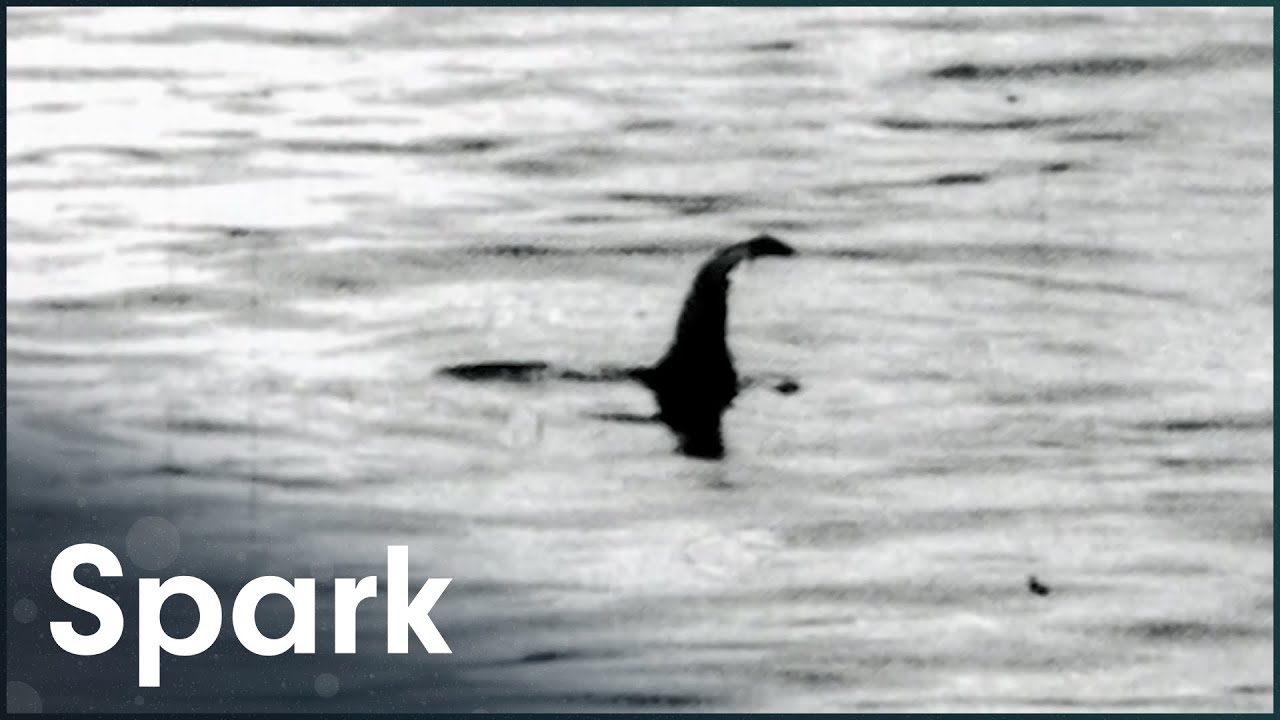
Is It Scientifically Possible For The Loch Ness Monster To Exist?
Keywords
Summary
172 words
Critical Evaluation
The documentary provides a thorough and balanced examination of the Loch Ness Monster phenomenon, employing scientific reasoning to address the claims. It effectively uses expert interviews, such as freshwater zoologist David Martin and plesiosaur expert Richard Forrest, to establish the ecological and biological improbabilities. The food chain analysis, using Secchi disk measurements, convincingly demonstrates the low productivity of the loch, which cannot support a large predator population. The argument about the minimum viable population size is well-presented, and the discussion of plesiosaur neck anatomy adds a credible anatomical constraint. The sonar surveys, particularly Operation Deep Scan, are covered in detail, and the failure to find conclusive evidence is honestly reported. The documentary also considers alternative explanations, such as sturgeons and seals, which are plausible. However, there are some weaknesses. The documentary occasionally relies on sensational language and dramatic reenactments, which may undermine its scientific credibility. Some claims, such as the exact number of sightings or the details of the 1938 coelacanth discovery, are not sourced precisely. The segment on the glacial flood hypothesis is speculative and not clearly linked to the monster’s existence. The adéquation between title and content is strong, as the documentary directly addresses the scientific possibility. Overall, the documentary is informative and generally rigorous, but it could benefit from more precise citations and a more restrained tone. The public comments reflect a mix of skepticism and belief, with some pointing out factual errors, such as the misclassification of plesiosaurs as dinosaurs, and others offering alternative explanations like sturgeons. The documentary’s strength lies in its systematic debunking of common misconceptions while acknowledging the enduring mystery.
267 words
Title / Content Match
The title accurately reflects the content, which systematically evaluates the scientific plausibility of the Loch Ness Monster's existence.
Quality & Reliability
7/10
The documentary presents a balanced investigation, consulting experts in zoology, geology, and myth, and uses scientific methods like sonar and food chain analysis. However, some claims lack precise citations and the tone occasionally leans towards sensationalism.
Key Moments
Markers derived by PSI from the transcript: the creator did not define chapters.
- Introduction to the legend and the question of existence.
- Historical accounts: Saint Columba and early sightings.
- The Surgeon's Photo and its impact.
- Food chain analysis: Secchi disk and zooplankton.
- Population viability and plesiosaur anatomy.
- Sonar surveys and Operation Deep Scan.
- Investigation of the deep trench and underwater camera.
- Geological history and glacial flood hypothesis.
- Alternative explanations: sturgeons, seals, and boat wakes.
- Conclusion: scientific evidence and the enduring mystery.
Cited Sources
- History Hit — Mentioned as a sponsor for history documentaries.
Concurring Sources
- Loch Ness Monster — General information and history of the legend.
- Coelacanth — Example of a living fossil, relevant to the possibility of surviving prehistoric species.
Dissenting Sources
Contribution & Novelties
The documentary synthesizes existing scientific research on the Loch Ness Monster, providing a clear and accessible overview of the ecological and biological arguments against its existence. It adds value by visually demonstrating sonar surveys and underwater camera investigations, making the scientific process tangible. The inclusion of expert interviews and the discussion of the glacial flood hypothesis offer a comprehensive perspective.
Pour aller plus loin :
- Plesiosauria — Overview of plesiosaur anatomy and ecology.
- Secchi disk — Method for measuring water clarity.
- Operation Deepscan — Details of the 1987 sonar survey.
90 words
Radar Profile
The radar profile shows high scores in quantity of information and reliability, reflecting the documentary's comprehensive coverage and expert input. The technical level is moderate, making it accessible to a general audience. The quality of information is good, though the occasional sensationalism slightly lowers the overall score.
💬 The comments are generally balanced, with a mix of skepticism and belief. Some viewers point out factual inaccuracies, while others propose alternative explanations like sturgeons. The overall tone is curious and engaged, with no extreme negativity.