Ensuring that freedom to cycle is accessible to all
Keywords
Summary
204 words
Critical Evaluation
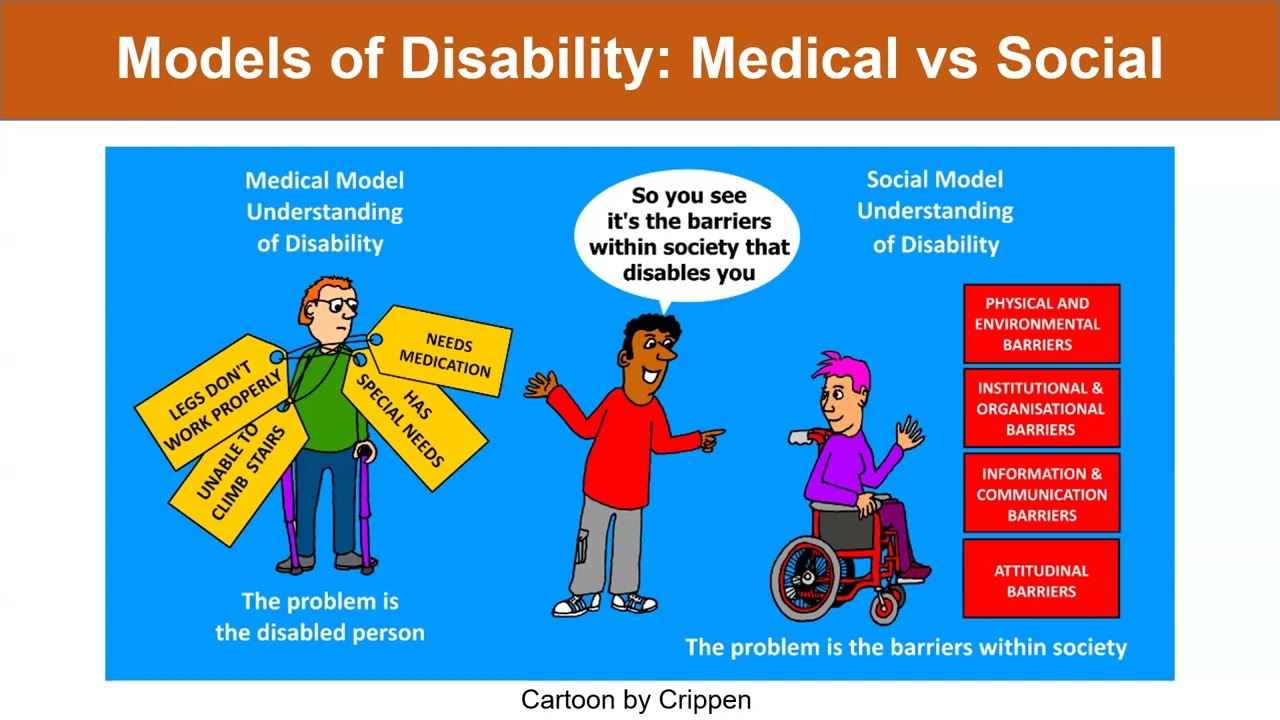
The presentation is a well-structured and persuasive advocacy talk that effectively communicates the importance of accessible cycling. The speaker’s personal experience and professional expertise lend credibility to the arguments. The use of the social model of disability is a strong theoretical framework that shifts the focus from individual deficits to societal barriers, which is a key concept in disability studies. The distinction between equality and equity is clearly illustrated with a simple graphic, making the concept accessible. The call for mobility justice is timely and aligns with broader discussions on transport equity. However, the talk is not a scientific study; it is an expert opinion piece. While the speaker cites some statistics (e.g., 90% of people with mobility issues lack adequate mobility aids, from Disabled Ramblers 2022), these are not systematically referenced. The presentation would benefit from more concrete data on the effectiveness of specific interventions. The discussion of barriers and solutions is comprehensive but could be more detailed in terms of policy recommendations. The adéquation between title and content is excellent. Overall, the talk is a valuable contribution to the discourse on inclusive active travel, but it should be viewed as an advocacy perspective rather than a rigorous scientific review.
201 words
Title / Content Match
The title accurately reflects the content, which focuses on making cycling accessible to disabled and older people.
Quality & Reliability
8/10
The speaker is the director of a leading UK charity on accessible cycling, and the talk is grounded in the social model of disability and evidence-based arguments. However, it is primarily an advocacy presentation with limited peer-reviewed citations.
Key Moments
Markers derived by PSI from the transcript: the creator did not define chapters.
- Introduction and personal background of Isabelle Clement
- Overview of Wheels for Wellbeing and its work
- Context: disabled people and older people, health and inactivity gap
- Social model of disability explained
- Equality vs equity and mobility justice
- Language: non-standard cycles
- Barriers to cycling for disabled people
- Solutions: inclusive design, training, and cycle hire
- Call for a just transition and conclusion
Cited Sources
- Wheels for Wellbeing — The speaker's organization, which provides accessible cycling opportunities and publishes guides on inclusive cycling.
- Guide to Inclusive Cycling (5th edition) — Recently launched guide by Wheels for Wellbeing, mentioned as a key resource.
Concurring Sources
- Wheels for Wellbeing — The organization's website provides resources and evidence supporting the talk's arguments.
Contribution & Novelties
The talk provides a clear and compelling articulation of the social model of disability applied to cycling, emphasizing that barriers are societal and can be removed. It introduces the concept of mobility justice in the context of active travel, advocating for prioritizing investment for the most excluded groups. The emphasis on language, particularly the term ’non-standard cycles’, is a novel contribution to the discourse.
Pour aller plus loin :
- Social model of disability — Provides background on the theoretical framework used.
- Mobility justice — Related concept focusing on fairness in transport planning.
- Inclusive cycling — Overview of adaptive cycling and its benefits.
102 words
Radar Profile
The radar profile shows high scores in information quantity, quality, and reliability, with a slightly lower technical level, reflecting the talk's focus on social and policy aspects rather than technical details.