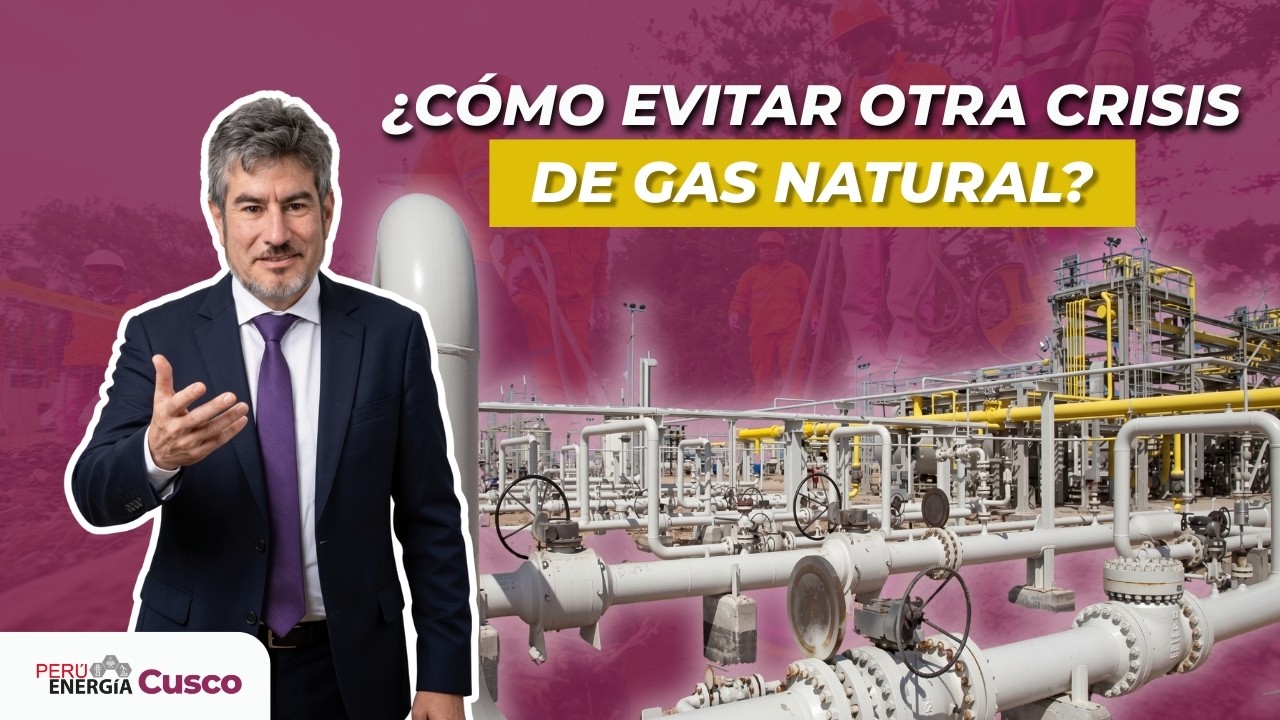
Más de S/ 12 mil millones del canon gasífero de Camisea permanecen sin ejecutar en Cusco
Keywords
Summary
221 words
Critical Evaluation
Value of the Information & Strength of the Argument
The video provides valuable insights into the economic and social impact of gas canon mismanagement in Cusco, with specific figures and examples. The argumentation is coherent and persuasive, highlighting the paradox of a resource-rich region with high energy costs and stalled development. The speaker effectively uses data from the Cusco Institute of Economics and personal observations to support his claims. However, the presentation is largely opinion-based and lacks a rigorous scientific methodology, with no references to peer-reviewed studies or official reports beyond the institute’s own work.
Scientific Rigor, Source Quality, Title Accuracy
The scientific rigor is moderate. The speaker cites figures from the Cusco Institute of Economics, but these are not independently verified. The video does not provide direct links to sources, only a general link in the description. The title accurately reflects the main topic, but the content also covers broader energy issues, which is not fully captured. The video is a presentation, not a formal study, so the quality of sources is limited to the speaker’s expertise and the institute’s data.
182 words
Title / Content Match
The title accurately reflects the main topic: unspent gas canon funds in Cusco. The video expands on this with broader energy issues.
Quality & Reliability
6/10
The video presents expert opinions and data from a local economic institute, but lacks detailed citations and independent verification. The speaker is a known economist, but the content is largely anecdotal and based on a single presentation.
Key Moments
Markers derived by PSI from the transcript: the creator did not define chapters.
- Introduction and context of Camisea gas discovery in the 1980s.
- Paradox of Cusco: high energy consumption but high tariffs and few gas vehicles.
- Presentation of data: S/ 33 billion received, S/ 20 billion spent, S/ 12 billion frozen.
- Discussion of 6,800 stalled works, 60% from district municipalities.
- Incentive perverse: starting works is celebrated, but not finishing them has no consequences.
- Impact of lack of gas: pollution in Cusco, especially in August.
- Gas as a contributor to reducing carbon footprint and formalizing industry.
- Need for energy security: dependence on a single pipeline, vulnerability.
- Comparison with other countries: Germany imports gas via ports, Paraguay benefits from Itaipú.
- Call for state to become promoter, example of foreign trade single window.
Cited Sources
- Más información aquí — Link in video description for more information on the topic.
Concurring Sources
- Instituto Cusqueño de Economía — The institute's work is cited as the source of the data on stalled works and unspent funds.
Contribution & Novelties
The video provides a specific case study of fiscal mismanagement in a resource-rich region, with concrete figures and a call for state action. It highlights the paradox of energy poverty in a gas-producing area and the need for long-term planning.
Pour aller plus loin :
- Canon gasífero en Perú — Overview of the canon system in Peru.
- Camisea Gas Project — Background on the Camisea gas project.
- Energy transition in Peru — IEA country page on Peru’s energy sector.
79 words
Radar Profile
The radar profile shows moderate scores across all dimensions, with a slightly higher score in quantity of information and lower in technical level. This indicates a presentation that provides substantial data but lacks deep technical analysis and rigorous sourcing.