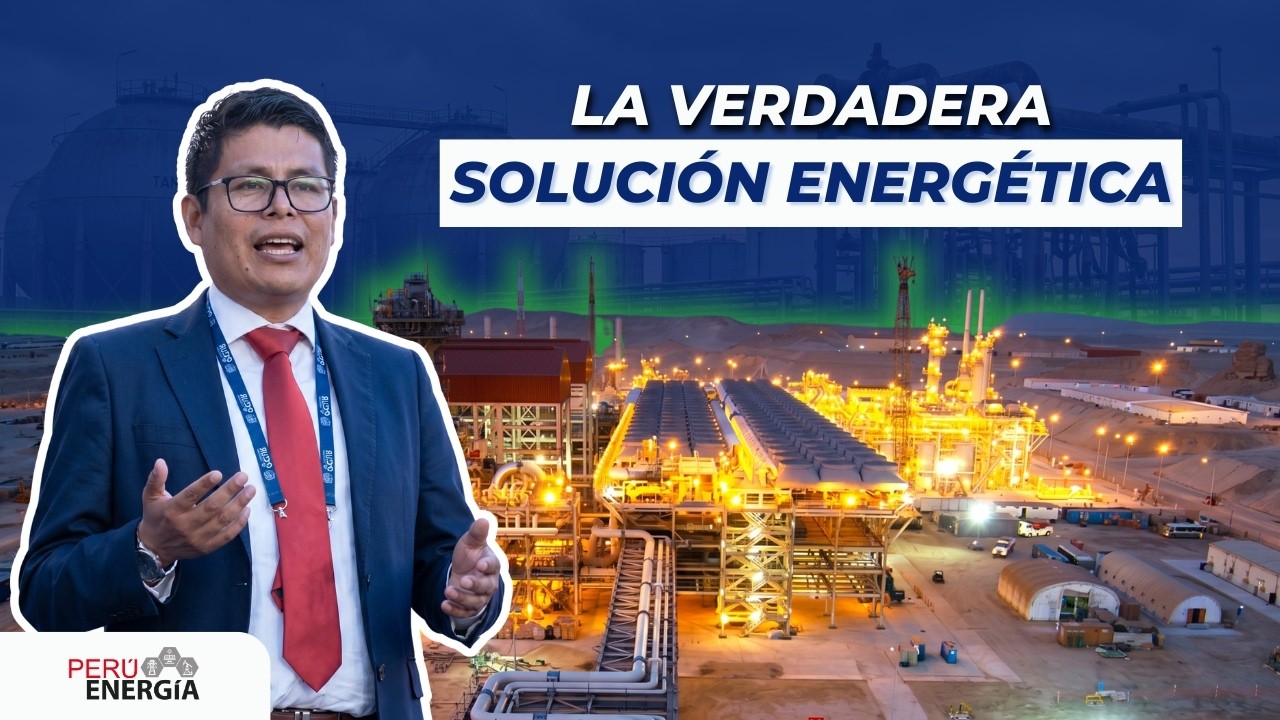
Transmisión, renovables y gas: especialistas piden visión integral para seguridad energética
Keywords
Summary
161 words
Critical Evaluation
Value of the Information & Strength of the Argument
The video provides valuable insights into the practical challenges of Peru’s energy transition, drawing on the direct experience of industry professionals. The arguments are well-structured and grounded in specific examples, such as the impact of the 2023 drought and the recent gas pipeline failure. The panelists offer concrete recommendations, including regulatory reforms, better concessionaire oversight, and investment in storage and transmission. However, the discussion is largely qualitative and lacks quantitative data or formal analysis, which limits its depth. The argumentation is coherent and persuasive, but it would benefit from more evidence to support the claims.
Scientific Rigor, Source Quality, Title Accuracy
The scientific rigor is moderate; the panelists are credible experts, but they do not cite specific studies or data. The sources are primarily their professional experience and general knowledge of the sector. The title accurately reflects the content, which is a discussion of integrated planning for energy security. The video does not include formal citations, but it references regulatory changes and events that can be verified. The adequacy between title and content is high, as the discussion directly addresses the need for a comprehensive vision.
195 words
Title / Content Match
The title accurately reflects the content, which focuses on the need for integrated planning in transmission, renewables, and gas to ensure energy security.
Quality & Reliability
7/10
The video features expert opinions from industry professionals with direct experience in Peru's energy sector. The discussion is grounded in specific technical and regulatory details, but lacks formal citations or data sources. The information is credible but primarily anecdotal and based on professional judgment.
Key Moments
Markers derived by PSI from the transcript: the creator did not define chapters.
- Introduction and panelist presentation
- Carlos René discusses transmission bottlenecks and need for institutional strengthening
- Diego explains factors slowing renewable deployment in Peru
- Erick García emphasizes state responsibility for energy security and gas infrastructure gaps
- Carlos René proposes regulatory changes for transmission and risk allocation
- Discussion on future challenges and need for integrated planning
Cited Sources
- More information — Description link for further details
Concurring Sources
- Peru's energy outlook — IEA country page with energy statistics and policies
Contribution & Novelties
The video offers a unique perspective on Peru’s energy challenges by bringing together experts from transmission, renewables, and gas sectors. It highlights the interconnectedness of these areas and the need for a holistic approach to energy planning. The discussion provides practical insights into regulatory and institutional barriers, which are often overlooked in academic literature. The emphasis on the state’s role in ensuring energy security and the need for infrastructure like regasification plants adds a novel dimension to the debate.
Pour aller plus loin :
- Peru’s energy policy — Official government source for energy policies and plans.
- COES — Peru’s system operator, responsible for transmission planning.
- Statkraft — Company website with information on renewable projects in Peru.
- Redinter — Company website with details on transmission concessions.
- Energy storage systems — Overview of storage technologies relevant to grid flexibility.
137 words
Radar Profile
The radar profile shows a balanced performance across all dimensions, with slightly higher scores in information quantity and quality, reflecting the expert panel's depth. The technical level is moderate, suitable for a general audience, while reliability is solid due to the credibility of the speakers.
💬 No comments were provided for analysis.