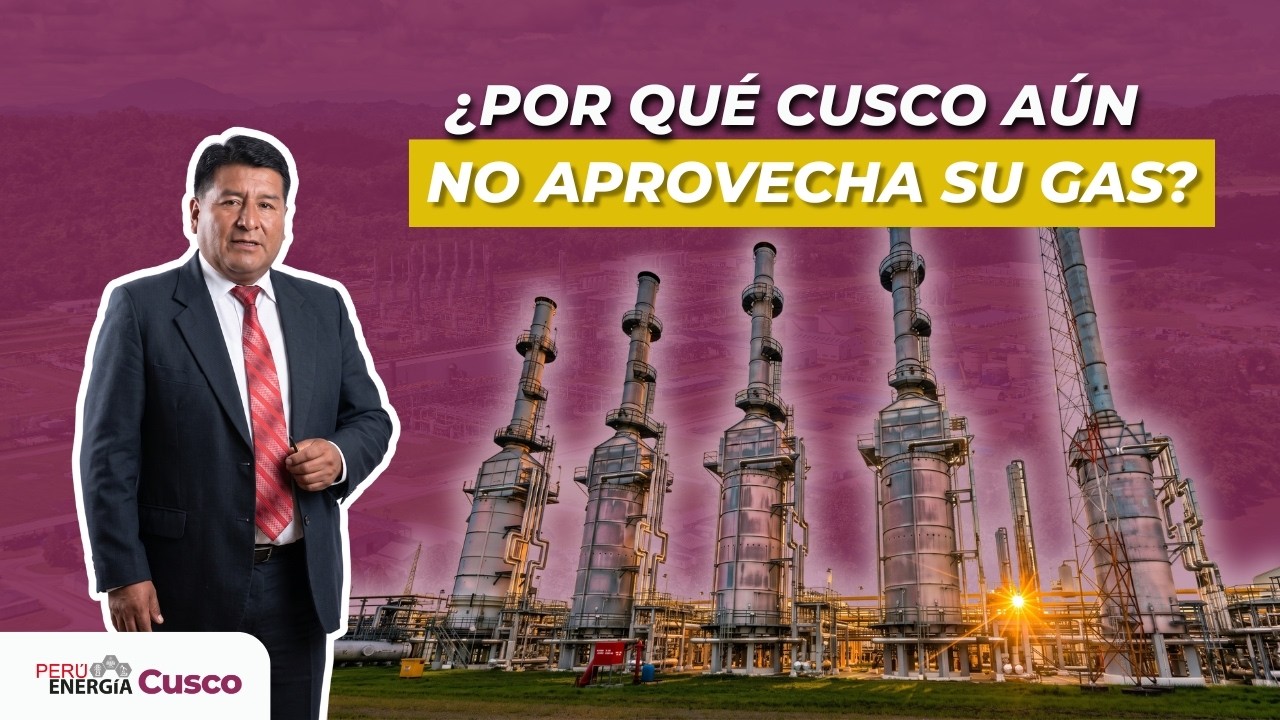
Cusco impulsa la masificación del gas natural mediante la implementación de 16 plantas satélite
Keywords
Summary
161 words
Critical Evaluation
Value of the Information & Strength of the Argument
The video provides valuable insights into the specific challenges and opportunities for natural gas infrastructure in Cusco, with concrete data on project progress and investment figures. The argumentation is solid, drawing on comparisons with other countries and historical context, such as the Camisea project. However, some claims are made without detailed evidence, and the discussion is partly promotional, given the presence of government officials. The panelists offer diverse perspectives, but the depth of technical analysis is moderate.
Scientific Rigor, Source Quality, Title Accuracy
The video maintains a reasonable level of scientific rigor, with panelists citing specific numbers and projects. However, sources are not formally cited, and some data may be based on personal knowledge or official statements. The title accurately reflects the content, focusing on the satellite plants and massification efforts. The discussion is well-structured, but the lack of formal citations and the promotional tone slightly reduce its scientific credibility.
159 words
Title / Content Match
The title accurately reflects the main topic discussed, focusing on Cusco's push for natural gas massification through satellite plants.
Quality & Reliability
7/10
The video features a panel of experts including government officials, industry representatives, and investment promotion agency staff, providing concrete data and references to specific projects. However, some claims lack detailed citations and the discussion is partly promotional.
Key Moments
Markers derived by PSI from the transcript: the creator did not define chapters.
- Introduction and framing of the panel discussion on natural gas infrastructure in Cusco.
- Oscar Navas (Techip) discusses that technical capacity is not a barrier, citing experience in other countries.
- Regional energy manager Merciano Basilio outlines three main barriers: lack of pipeline infrastructure, lack of state policy, and bureaucratic hurdles.
- Basilio provides statistics on gas reserves and consumption, arguing that Peru has sufficient reserves for decades.
- Juan González attributes the lack of infrastructure to centralism and corruption, citing the failed Southern Gas Pipeline.
- Elizabeth from ProInversión discusses the need for a clear public policy and institutional alignment, noting that Camisea succeeded due to a consistent policy.
- Arturo proposes a regulatory framework similar to electricity transmission, with a binding infrastructure plan and cost recognition.
- Discussion on demand, including electricity generation and petrochemicals, as key drivers for gas infrastructure.
- Panelists agree on the need for a minimum agenda for the next five years, emphasizing execution over planning.
Cited Sources
- Más información aquí — Link provided in the video description for further information on the topic.
Concurring Sources
- Natural gas in Peru — Provides general information on natural gas infrastructure in Peru, supporting the discussion on limited pipeline network.
Dissenting Sources
- No specific discordant sources — No conflicting sources were mentioned in the video.
Contribution & Novelties
The video provides a regional perspective on natural gas infrastructure challenges in Peru, highlighting specific barriers and potential solutions. It offers concrete data on project progress and investment figures, and emphasizes the need for a state policy and regulatory stability. The discussion also touches on the potential for demand from electricity generation and petrochemicals.
Pour aller plus loin :
- Natural gas in Peru — Overview of natural gas production and infrastructure in Peru.
- Camisea Gas Project — Background on the major gas project in Peru.
- ProInversión — Peru’s private investment promotion agency, involved in infrastructure projects.
96 words
Radar Profile
The radar profile shows high scores in quantity and quality of information, moderate technical level, and good reliability. This indicates a well-rounded discussion with substantial content, though not highly technical or deeply sourced.