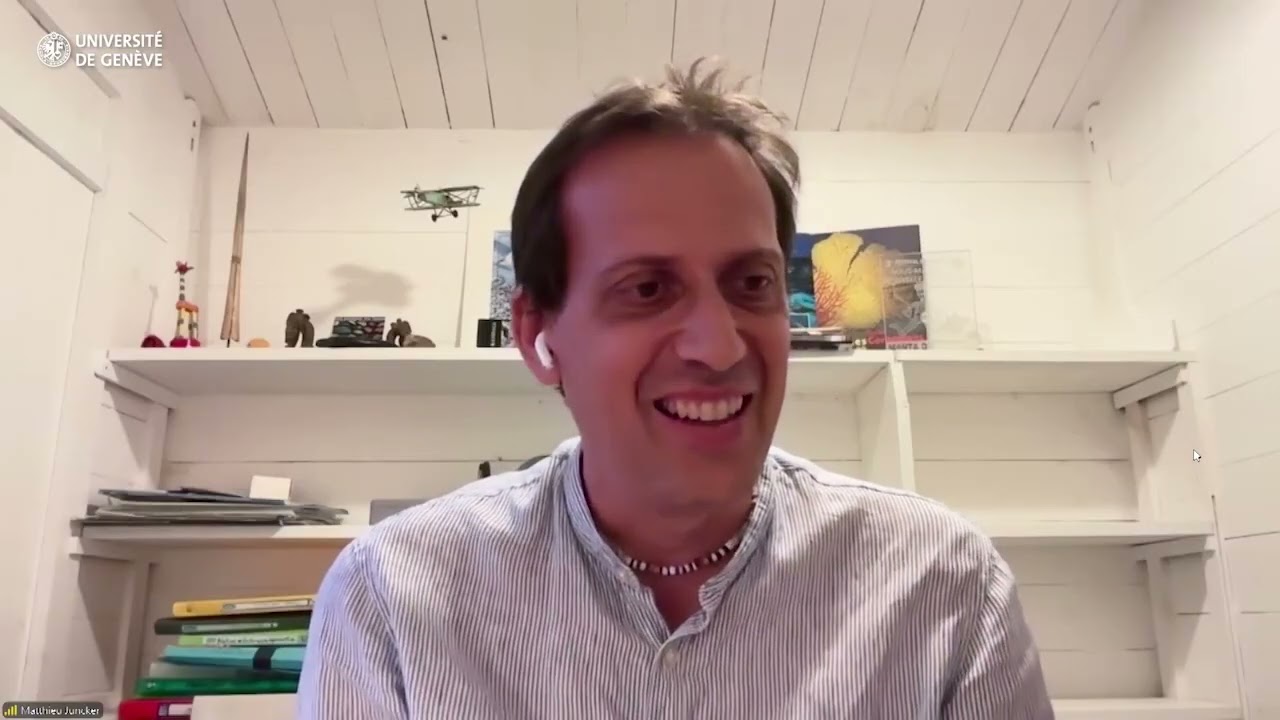
Seul au milieu du vivant ? Rencontre avec un naufragé volontaire
Keywords
Summary
172 words
Critical Evaluation
Value of the Information & Strength of the Argument
The value of the information lies in the unique first-hand account of living in a remote, vulnerable ecosystem and observing the effects of climate change and pollution. Juncker’s argumentation is compelling, combining scientific knowledge with personal narrative to highlight the urgency of environmental action. He effectively argues that scientific data alone is insufficient to drive change and that emotional engagement is crucial. His reasoning is well-structured, moving from personal motivations to broader implications for humanity’s relationship with nature.
87 words
Title / Content Match
The title accurately reflects the content: a discussion with a marine biologist who voluntarily lived alone on a remote atoll, exploring his relationship with the living world and the impacts of the Anthropocene.
Quality & Reliability
8/10
The speaker is a marine biologist with a PhD in marine ecology, extensive professional experience in the Pacific, and a track record of scientific publications. The conference is hosted by the University of Geneva, adding institutional credibility. The content is based on direct field observations and personal experience, but it is primarily an expert opinion and narrative rather than a peer-reviewed study.
Key Moments
Markers derived by PSI from the transcript: the creator did not define chapters.
- Introduction by Pierre, setting the context of the Anthropocene and introducing Matthieu Juncker.
- Juncker explains his motivations: childhood dream, impact of IPCC report, and desire to engage beyond science.
- Discussion of the three dimensions of the project: science, adventure, and introspection.
- Screening of the documentary 'Seul sur l'atoll' (excerpt).
- Post-screening discussion: Juncker reflects on solitude, fear of boredom, and personal transformation.
- Q&A session: questions about psychological challenges and the role of purpose.
- Conclusion and thanks.
Cited Sources
- IPCC Special Report on Global Warming of 1.5°C (2018) — Cited by Juncker to highlight the projected loss of coral reefs at 1.5°C and 2°C warming.
Concurring Sources
- IPCC Special Report on Global Warming of 1.5°C — Supports the claim about coral reef decline.
Contribution & Novelties
The video provides a unique personal account of living alone on a remote atoll, offering insights into the psychological and emotional dimensions of environmental observation. It bridges scientific data with human experience, emphasizing the need for emotional engagement in environmental action. The documentary and discussion highlight the tangible impacts of climate change and pollution on pristine ecosystems.
Pour aller plus loin :
- Anthropocene — Context for the geological epoch shaped by human activity.
- Coral bleaching — Explanation of the phenomenon observed by Juncker.
- Solitude and mental health — Psychological aspects of solitude, relevant to Juncker’s experience.
96 words
Radar Profile
The radar profile shows high scores in quality and reliability, reflecting the speaker's expertise and institutional backing, while quantity and technical level are moderate, as the content is more narrative than data-heavy.
💬 No comments were provided for analysis.