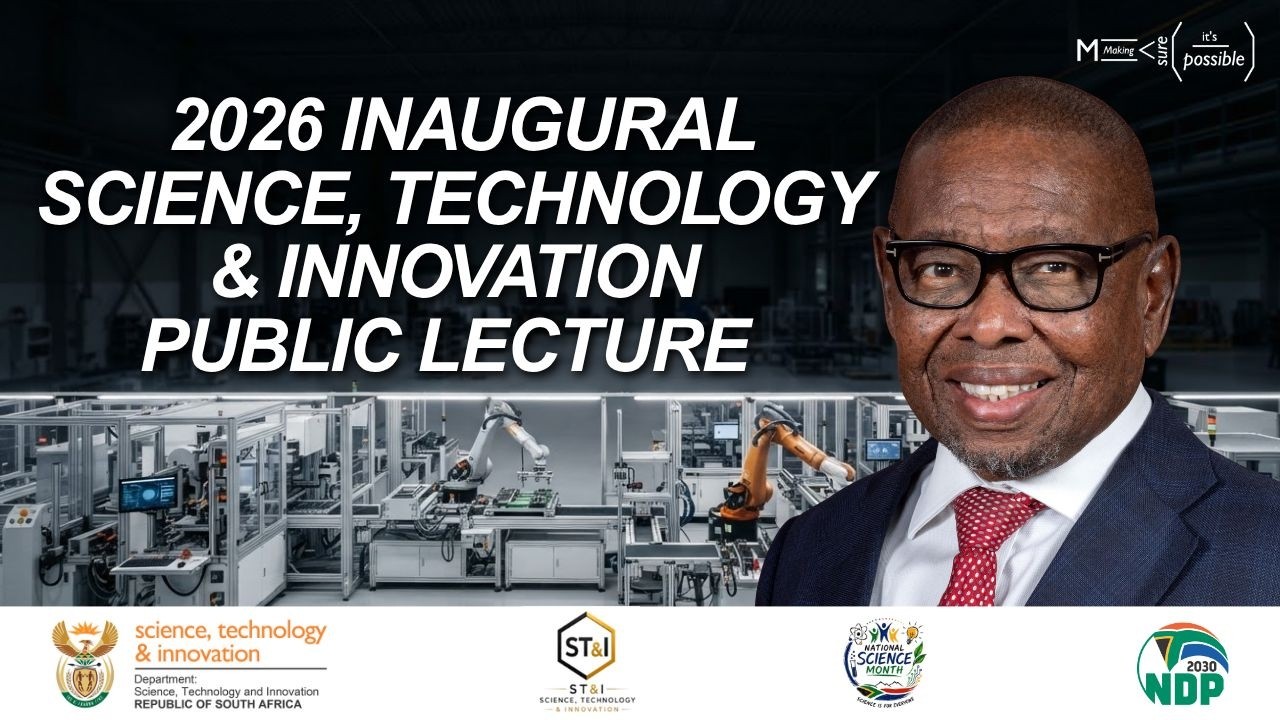
2026 Inaugural Science, Technology & Innovation Public Lecture
Keywords
Summary
160 words
Critical Evaluation
Value of the Information & Strength of the Argument
The lecture provides valuable insights into how universities can build effective innovation ecosystems, drawing on concrete examples from Princeton. The speaker’s personal experience adds credibility, and he makes a compelling case for inclusive innovation as a structural component. The argumentation is logical and well-structured, though some claims could benefit from more rigorous evidence.
Scientific Rigor, Source Quality, Title Accuracy
The speaker references several sources, including the World Intellectual Property Organization’s global report and the World Economic Forum’s top 10 emerging technologies report, but does not provide specific citations. The title accurately reflects the content. The lecture is based on the speaker’s expertise and institutional experience, which lends authority, but it is not a peer-reviewed scientific presentation.
125 words
Title / Content Match
The title accurately reflects the content, which is a public lecture on science, technology, and innovation.
Quality & Reliability
8/10
The lecture is delivered by a Princeton professor with direct experience in building innovation ecosystems and founding startups. It includes specific examples, data, and references to institutional programs. However, it is largely anecdotal and lacks peer-reviewed citations for many claims.
Key Moments
Markers derived by PSI from the transcript: the creator did not define chapters.
- Introduction to Princeton's innovation ecosystem and the role of the university.
- Description of educational programs for entrepreneurship, including partnership with Wharton.
- Discussion of support for innovation, including the intellectual property accelerator fund.
- Personal story of water purification startup Aquapow.
- Second startup Greenland, based on flash nano precipitation and chitin.
- Emphasis on inclusive innovation and programs like Start and Empower.
- Partnership with historically black colleges and universities.
- Opportunities for engaging the African diaspora in innovation.
- Global trends in science policy, including AI and material science.
Cited Sources
- World Intellectual Property Organization Global Innovation Report — Referenced in the lecture regarding the diffusion of knowledge and absorptive capacity.
- World Economic Forum Top 10 Emerging Technologies Report — Referenced in the lecture to highlight the shift towards physical systems and materials.
Concurring Sources
- WIPO Global Innovation Index — Supports the claim about knowledge diffusion and absorptive capacity.
- WEF Top 10 Emerging Technologies — Supports the claim about the shift towards physical systems.
Contribution & Novelties
The lecture offers a unique perspective on building inclusive innovation ecosystems within universities, with practical examples from Princeton. It emphasizes the importance of structural inclusion and the role of the African diaspora. The speaker’s personal entrepreneurial journey adds a valuable case study.
Pour aller plus loin :
- Technology transfer — Overview of the process of commercializing research.
- University technology transfer offices — Role of TTOs in innovation.
- Inclusive innovation — Concept of ensuring broad participation in innovation.
- Hydrogel — Material used in the water purification technology.
- Flash nanoprecipitation — Process for producing nanoparticles.
93 words
Radar Profile
The radar profile shows high scores in information quantity and quality, with moderate technical level and reliability. This indicates a well-informed lecture with practical insights, but not deeply technical or heavily cited.