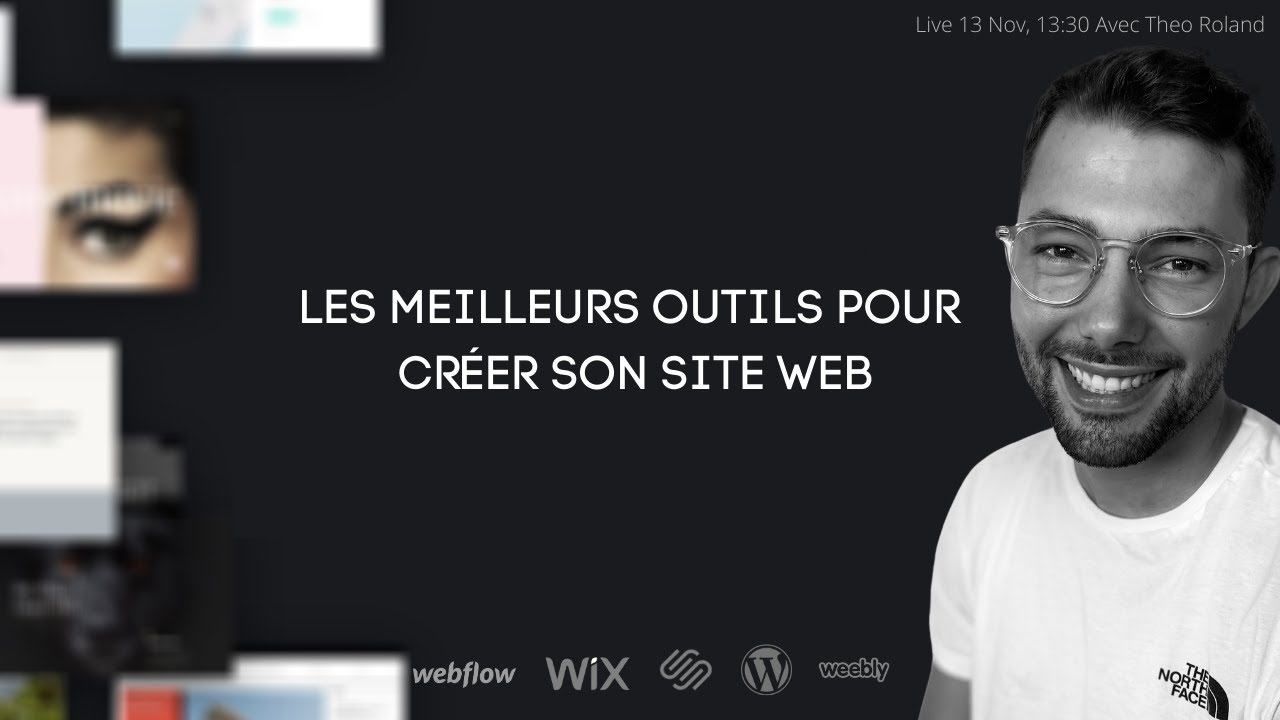
Les meilleurs outils NoCode pour faire son site web | Théo Roland
Keywords
Summary
132 words
Critical Evaluation
Value of the Information & Strength of the Argument
The video provides valuable insights into the no-code website creation landscape, particularly focusing on Webflow. Théo’s argumentation is based on his personal experience and expertise, which adds credibility. He effectively explains the trade-offs between different tools and approaches, such as templates vs. custom design, and freelancers vs. agencies. The discussion is practical and addresses common concerns like SEO, scalability, and cost. However, the argumentation is somewhat one-sided, as Théo is a Webflow advocate and promotes his own training, which may introduce bias.
Scientific Rigor, Source Quality, Title Accuracy
The scientific rigor is moderate; the video is an expert opinion rather than a research-based presentation. The sources cited are limited to the links in the description (muz.li and the INIT Program webinar), which are relevant but not academic. The title accurately reflects the content, and the discussion is well-structured. The video does not provide formal citations or data, but the practical advice is grounded in professional experience. The promotional aspect for the INIT Program is present but not overly intrusive.
178 words
Title / Content Match
The title accurately reflects the content, which is a detailed discussion on no-code tools for website creation, with a focus on Webflow.
Quality & Reliability
7/10
The video is an expert opinion from a Webflow expert and designer, providing practical advice on choosing no-code tools and working with freelancers. The information is based on personal experience and industry knowledge, but lacks formal citations or data. The discussion is coherent and addresses common pitfalls, but the promotional nature of the content (formation) slightly reduces its objectivity.
Key Moments
Markers derived by PSI from the transcript: the creator did not define chapters.
- Introduction and presentation of Théo Roland
- Discussion on the importance of defining content and target audience before choosing a tool
- Comparison of no-code tools: Wix, WordPress, Webflow
- Advice on using templates vs. custom design
- Discussion on freelancers vs. agencies and how to choose a freelancer
- Tips for evaluating freelancers and the importance of communication
- Promotion of INIT Program and final advice
Cited Sources
- muz.li — Mentioned as a source of inspiration for design.
- INIT Program Webinar — Mentioned as a resource for learning Webflow.
Concurring Sources
- Webflow — The platform is the main subject of the video, and its features are discussed in detail.
Contribution & Novelties
The video offers a practical, experience-based overview of no-code website creation, with a focus on Webflow. It provides actionable advice on choosing tools, working with freelancers, and avoiding common pitfalls. The discussion on evaluating freelancers based on communication and portfolio is particularly useful. The video also highlights the importance of planning for long-term scalability when selecting a platform.
Pour aller plus loin :
- Webflow — Official website of the platform discussed extensively.
- No-code movement — Overview of the no-code development trend.
- Responsive web design — Key concept for building mobile-friendly sites, as mentioned in the video.
96 words
Radar Profile
The radar profile shows high scores in quantity of information and technical level, reflecting the detailed discussion on tools and processes. The quality and reliability scores are moderate, consistent with an expert opinion format. The overall balance indicates a content that is informative but not deeply scientific.
💬 Sur les 0 commentaires analysés, aucune tendance n'est disponible.