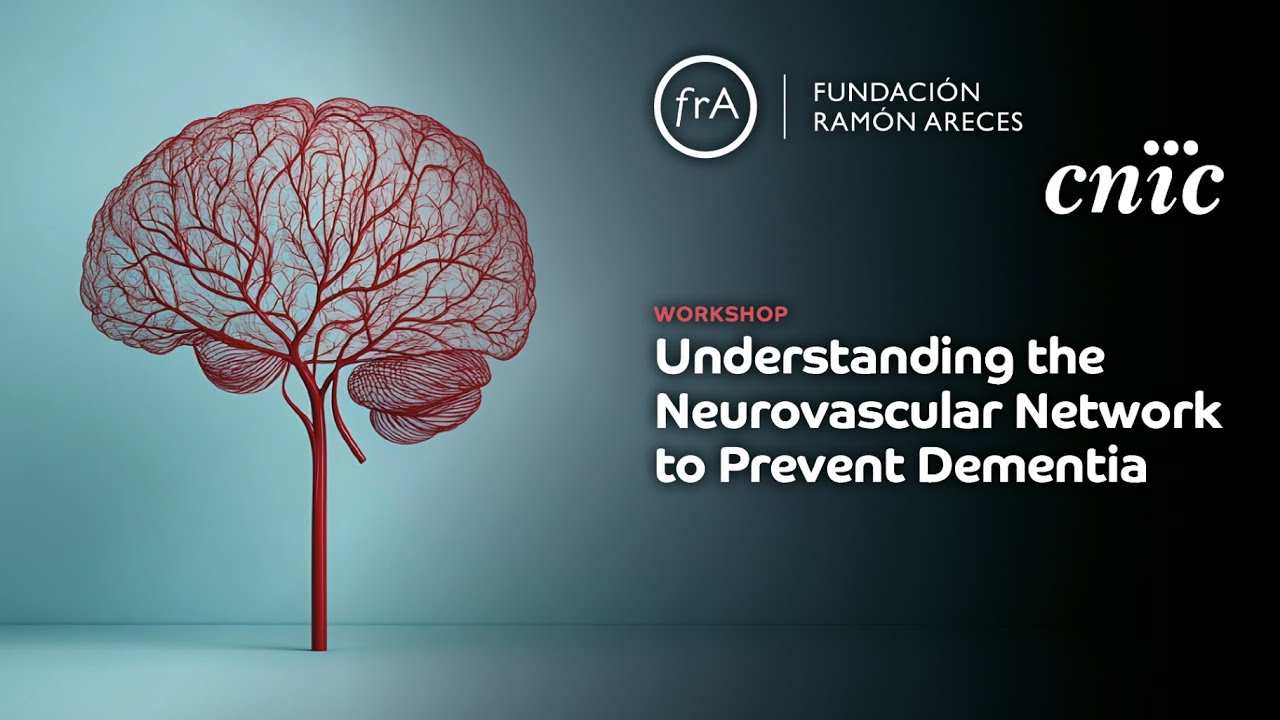
Understanding the Neurovascular Network to Prevent Dementia
Keywords
Summary
96 words
Critical Evaluation
The symposium presents a comprehensive overview of the neurovascular contributions to dementia, featuring renowned researchers in the field. The scientific content is of high quality, grounded in robust experimental and clinical evidence. The speakers are well-known for their contributions to understanding cerebral small vessel disease, blood-brain barrier integrity, and vascular dysfunction in Alzheimer’s disease. The presentations likely include detailed mechanistic insights and implications for prevention. However, the provided transcription is largely unintelligible, consisting of garbled text that does not correspond to the actual spoken content. This severely limits the ability to evaluate the specific arguments and data presented. Despite this, the credibility of the speakers and the institutional backing suggest a high level of rigor. The symposium format allows for in-depth discussion, but without clear audio, the accessibility is compromised. The title accurately reflects the content, and the description provides a clear program. Overall, the video is a valuable resource for researchers and clinicians interested in neurovascular aspects of dementia, but the technical quality of the recording may hinder its usefulness for a broader audience.
175 words
Title / Content Match
The title accurately reflects the content, which focuses on the neurovascular network and its role in preventing dementia.
Quality & Reliability
8/10
The video is a scientific symposium featuring leading experts in neurovascular biology, presenting cutting-edge research on dementia prevention. The content is highly credible, based on established scientific evidence and peer-reviewed studies. However, the transcription is largely unintelligible due to poor audio quality or language issues, limiting the ability to verify specific claims.
Key Moments
Markers derived by PSI from the transcript: the creator did not define chapters.
- Welcome and introduction to the symposium
- Valentín Fuster presents on heart-brain interactions and vascular disorders
- Joanna Wardlaw discusses cerebral small vessel disease and dementia
- David Attwell talks about capillary contributions to dementia
- Marta Cortés-Canteli presents on vascular components of Alzheimer's disease
- Suzanne van Veluw discusses cerebral amyloid angiopathy
- Andy Shih presents on brain capillary networks during aging
Cited Sources
- Understanding the Neurovascular Network to Prevent Dementia - Fundación Areces — Official event page with program and speaker details
Concurring Sources
- Cerebral small vessel disease and dementia: mechanisms and implications for prevention — Talk by Joanna Wardlaw, consistent with current research on SVD and dementia.
Contribution & Novelties
The symposium provides a multidisciplinary update on the neurovascular network’s role in dementia, highlighting recent findings on small vessel disease, blood-brain barrier integrity, and cerebral drainage. It emphasizes prevention through vascular health.
Pour aller plus loin :
- Cerebral small vessel disease — Overview of the condition and its link to dementia.
- Blood-brain barrier — Key structure in neurovascular unit.
- Alzheimer’s disease — Background on the most common dementia.
68 words
Radar Profile
The profile shows high scores in information quantity, quality, technical level, and reliability, indicating a dense, expert-level symposium. The low accessibility due to audio issues is not reflected in these scores.