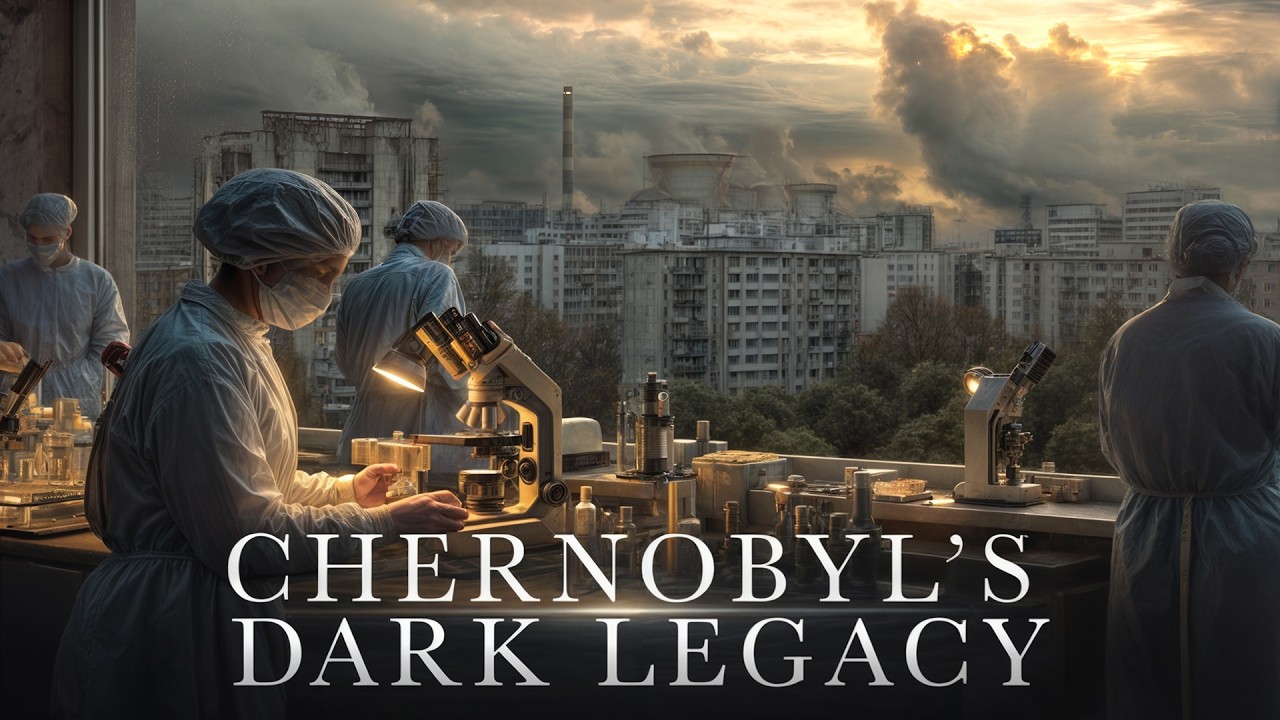
Miracle or Scam? How Ukraine’s Medics Changed Medicine Forever | Fetal Stem Cell Therapy | Bioethics
Keywords
Summary
160 words
Critical Evaluation
Value of the Information & Strength of the Argument
The documentary provides valuable insight into a controversial medical practice, offering firsthand accounts from patients and unprecedented access to the laboratory. The argumentation is largely anecdotal, relying on emotional testimonials rather than rigorous scientific evidence. The film does not critically examine the therapy’s efficacy or potential risks, and it presents the lack of approval in other countries as primarily due to ethical objections rather than scientific concerns. The narrative is persuasive but one-sided, potentially overstating the benefits while downplaying uncertainties.
89 words
Title / Content Match
The title accurately reflects the content, which explores the controversial nature of fetal stem cell therapy in Ukraine, balancing miracle claims with ethical and scientific scrutiny.
Quality & Reliability
6/10
The documentary presents compelling patient testimonials and rare access to the lab, but relies heavily on anecdotal evidence and lacks independent verification of efficacy claims. The scientific explanations are simplified and sometimes misleading, and the ethical stance is one-sided.
Key Moments
Markers derived by PSI from the transcript: the creator did not define chapters.
- Introduction to fetal stem cell therapy in Ukraine and patient testimonials.
- Historical background: Chernobyl disaster and use of fetal liver cells.
- Tour of EmCell laboratory, showing cell extraction and testing.
- Sophia's story: diagnosis and initial treatment.
- Follow-up on Sophia's progress and comparison with untreated peers.
- Discussion of ethical concerns and regulatory status.
- More patient testimonials and family perspectives.
- Scientific explanations of stem cell types and potential.
- Conclusion and final thoughts on the therapy's future.
Cited Sources
- EmCell website — Mentioned as the clinic providing the therapy.
- LA Times article on Chernobyl — Referenced for historical context on bone marrow transplants after Chernobyl.
Concurring Sources
- EmCell website — The clinic's official site provides information on their treatments and protocols.
Dissenting Sources
- FDA statement on stem cell therapies — The FDA has not approved fetal stem cell therapy, citing safety and efficacy concerns.
Contribution & Novelties
The documentary offers a unique insider view of a controversial therapy, providing rare access to the laboratory and patient stories. It highlights the historical context of Chernobyl and the development of fetal stem cell therapy in Ukraine. However, it lacks scientific depth and independent verification.
Pour aller plus loin :
- Stem cell therapy overview — Provides general background on stem cell therapies.
- Ethical issues in fetal tissue research — Discusses ethical debates surrounding fetal tissue use.
- Ulrich congenital muscular dystrophy — Information on the condition featured in the documentary.
89 words
Radar Profile
The radar profile shows moderate scores across all dimensions, with slightly higher quantity of information and technical level, but lower quality and reliability. This suggests the documentary is informative but lacks scientific rigor and critical analysis.
💬 No comments provided.