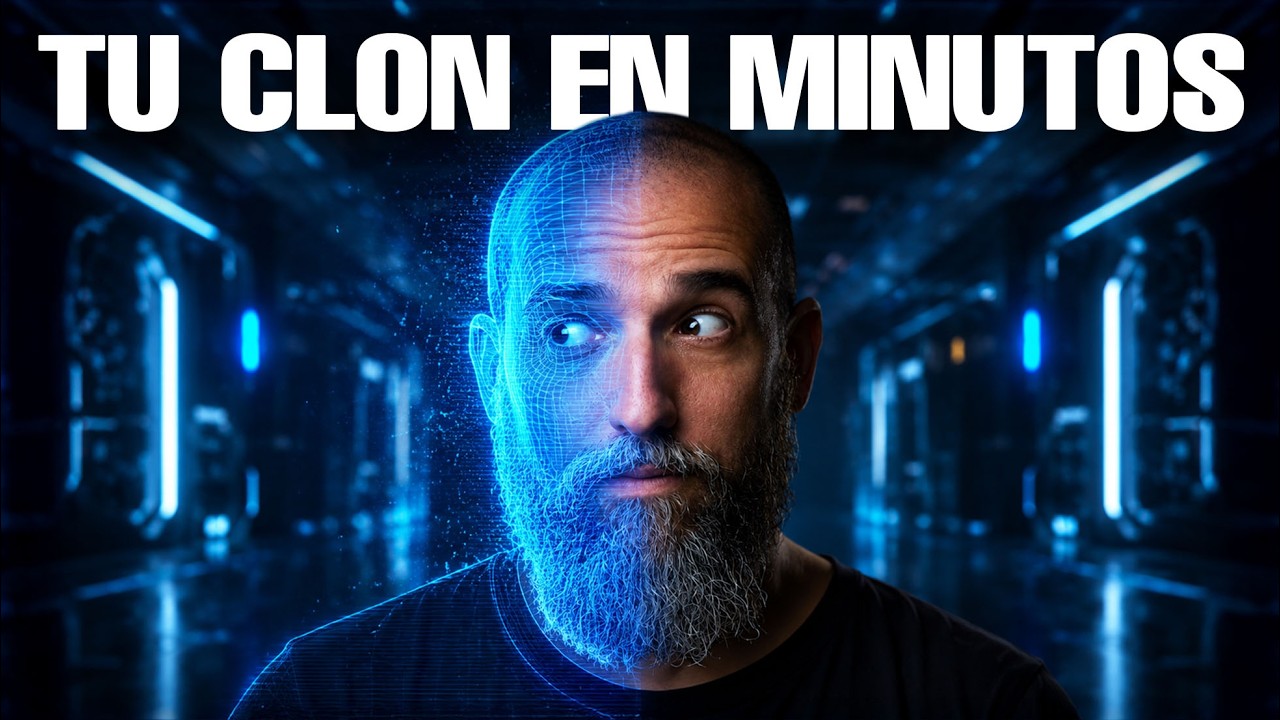
Cómo crear un avatar de IA que parece REAL paso a paso
Keywords
Summary
152 words
Critical Evaluation
The video provides a practical, hands-on tutorial for creating AI avatars, which is valuable for content creators and businesses. The creator’s experience with HeyGen is evident, and the step-by-step guidance is clear and actionable. However, the video is sponsored by HeyGen, which introduces a potential conflict of interest; the creator’s positive portrayal of the platform may be biased. The technical explanations are accessible but lack depth; for instance, the underlying mechanisms of avatar training and lip-syncing are only superficially covered. The comparison of models is subjective and based on personal preference, not rigorous testing. The video does not cite external sources or scientific studies, relying instead on the creator’s experience. The adéquation between title and content is good, as the tutorial indeed shows how to create realistic AI avatars. The public comments (if any) are not provided, so no analysis of audience reception is possible. Overall, the video is useful for beginners but should be complemented with more objective sources for a comprehensive understanding.
164 words
Title / Content Match
The title accurately reflects the content: a step-by-step guide to creating realistic AI avatars.
Quality & Reliability
7/10
The video is a practical tutorial from a content creator with experience using the tool. It provides step-by-step instructions and demonstrates the process live. However, it is sponsored by HeyGen, which introduces a potential bias. The technical explanations are clear but not deeply scientific, and the claims about quality are subjective. The video does not cite external scientific sources, but it does provide practical insights and comparisons.
Chapters
- Introducción al tutorial de avatares digitales
- Qué es HeyGen y qué permite hacer
- Objetivo del tutorial: crear un avatar digital
- Las fases para crear un avatar digital
- Crear un avatar desde imagen o desde vídeo
- Crear el vídeo con texto o con audio
- Elegir el modelo de avatar adecuado
- Avatar digital vs vídeo generado con IA
- Entrenar un Digital Twin en HeyGen
- Generar el vídeo final con tu avatar
- Comparativa entre audio real y texto escrito
- Comparativa de los modelos 3, 4 y 5
- Resultado final y recomendaciones
Cited Sources
- HeyGen — The main tool used in the tutorial for creating AI avatars.
- IA Perfecta — Website listing AI tools, mentioned as a resource.
- Guía para usar ChatGPT como un PRO — Free guide offered by the creator.
- Guía de NotebookLM — Guide for NotebookLM.
- Guía de VibeCoding — Guide for VibeCoding.
- Guía de Generación de imágenes con ChatGPT y Nano Banana — Guide for image generation.
- La hostIA que viene — Book by the creator.
- Newsletter semanal con las mejores Noticias de IA — Weekly AI newsletter.
- Canal de WhatsApp sobre IA — WhatsApp channel for AI updates.
Concurring Sources
- HeyGen — The platform itself, which demonstrates the capabilities of AI avatars.
Dissenting Sources
- No external sources found — The video does not cite any scientific studies or independent sources that contradict its claims. However, the lack of external validation means the claims are based solely on the creator's experience and promotional content.
Contribution & Novelties
The video provides a practical, up-to-date tutorial on creating AI avatars using HeyGen, a leading platform. It offers a step-by-step guide that is accessible to beginners, with tips on training avatars from video and using real audio for better results. The comparison of different AI models (3, 4, 5) is useful for users to choose the best option for their needs. The video also highlights the potential of AI avatars for content creation and corporate use, saving time and resources.
Pour aller plus loin :
- Deepfake technology — Background on the technology behind AI avatars.
- Lip sync — Explanation of the lip-syncing technique used in avatar generation.
- Voice cloning — Overview of voice cloning technology, relevant to the audio-driven avatar creation.
121 words
Radar Profile
The radar profile shows a balanced performance across all dimensions, with slightly higher scores in information quantity and quality, and lower in technical depth and reliability. This reflects the video's strength as a practical tutorial but its weakness in providing deep technical or scientific analysis.