Problem 15.18
Keywords
Summary
186 words
Critical Evaluation
Value of the Information & Strength of the Argument
The video provides a clear and accurate explanation of the genetic basis of xeroderma pigmentosum, focusing on the role of nucleotide excision repair in repairing UV-induced DNA damage. The instructor effectively uses diagrams and analogies to explain the formation of pyrimidine dimers and the repair process. The argumentation is logical and builds from the molecular mechanism to the phenotypic consequences, making it easy to follow. However, the video does not provide citations to primary literature, and the explanation is simplified for an introductory level, which may limit its depth for advanced viewers.
Scientific Rigor, Source Quality, Title Accuracy
The scientific content is accurate and aligns with established knowledge about XP and NER. The instructor references a lecture from October 28th, but no external sources are cited. The title ‘Problem 15.18’ is appropriate as it directly addresses a specific textbook problem. The video is a tutorial, and the lack of citations is typical for such content, but it does not detract from the correctness of the information presented.
176 words
Title / Content Match
The title 'Problem 15.18' is concise and directly indicates that the video solves a specific textbook problem, which is exactly what the content does.
Quality & Reliability
7/10
The video provides a clear and accurate explanation of the genetic basis of xeroderma pigmentosum, focusing on nucleotide excision repair and pyrimidine dimers. The content is scientifically correct, though it is presented in a simplified manner suitable for an introductory genetics course. The instructor demonstrates good understanding of the topic, but the video lacks citations to primary literature and is based on a textbook problem.
Key Moments
Markers derived by PSI from the transcript: the creator did not define chapters.
- Introduction to Problem 15.18 and the topic of xeroderma pigmentosum.
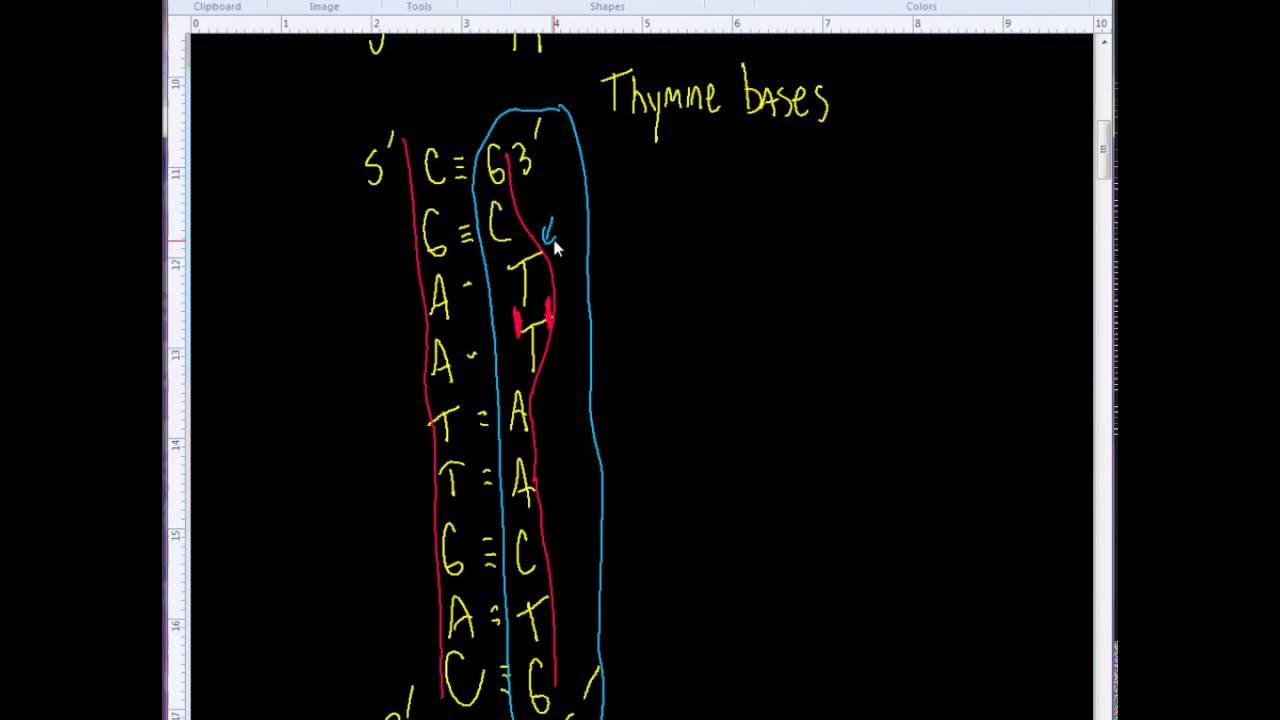
- Explanation of UV light causing pyrimidine dimers, specifically thymine dimers.
- Diagram of DNA showing how thymine dimers form and create bulky lesions.
- Discussion of the consequences of unrepaired thymine dimers during replication, leading to mutations.
- Introduction to nucleotide excision repair (NER) as the main repair mechanism for thymine dimers.
- Explanation of how NER works: recognition, cutting out a segment, and filling in the gap.
- Answer to the question: XP is caused by mutations in genes required for NER, leading to inability to repair UV damage.
- Summary of how defects create phenotypes: accumulation of mutations from sun exposure.
Contribution & Novelties
The video provides a clear and concise explanation of the genetic basis of xeroderma pigmentosum, specifically linking it to defects in nucleotide excision repair. It effectively uses diagrams to illustrate the formation of thymine dimers and the repair process. The video is a tutorial that solves a textbook problem, so it does not present new research, but it offers a pedagogical approach that may help students understand the material.
Pour aller plus loin :
- Xeroderma pigmentosum - Wikipedia — Provides a comprehensive overview of the disorder, including genetic causes and clinical features.
- Nucleotide excision repair - Wikipedia — Detailed explanation of the NER pathway and its role in repairing DNA damage.
- Pyrimidine dimer - Wikipedia — Information on the formation and consequences of pyrimidine dimers.
125 words
Radar Profile
The radar profile shows a balanced distribution across the four dimensions, with slightly higher scores in quality of information and reliability, reflecting the accurate but introductory nature of the content. The quantity of information is moderate, and the technical level is appropriate for an introductory audience.