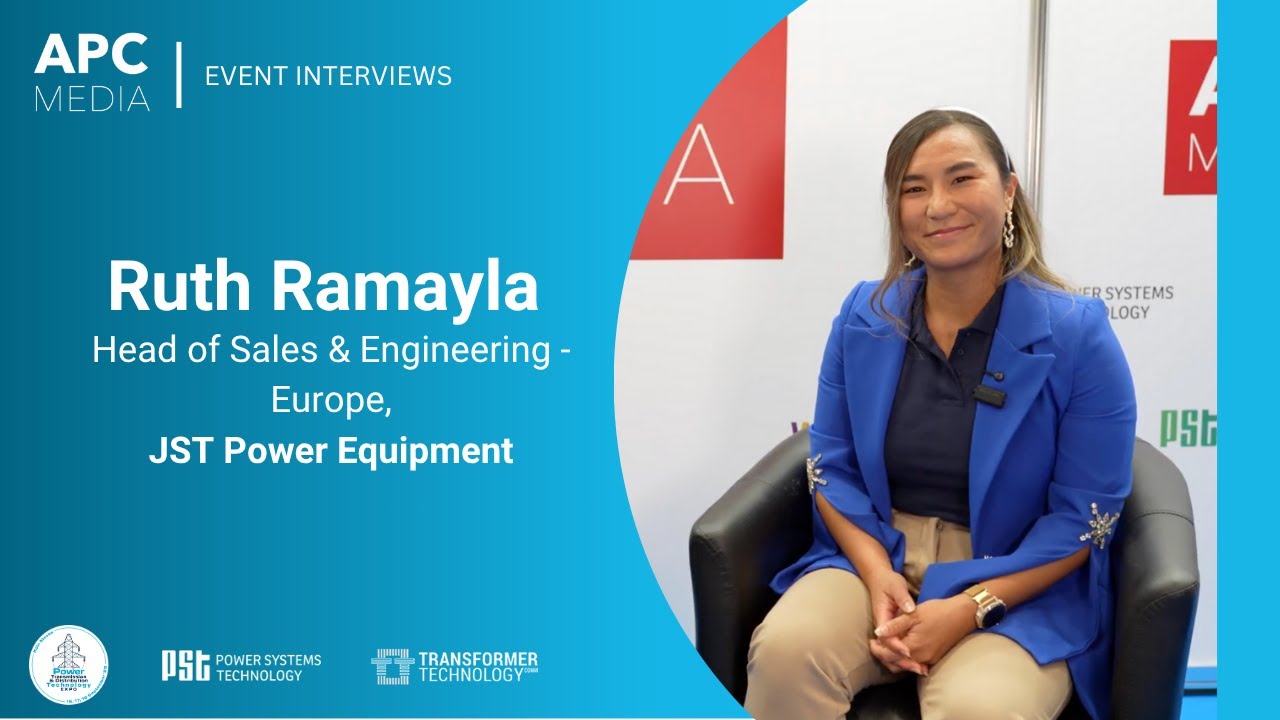
Why Europe Matters: The Standards Powering Tomorrow’s Energy | Ruth Ramayla, JST Power Equipment
Keywords
Summary
240 words
Critical Evaluation
Value of the Information & Strength of the Argument
The interview provides valuable insights into the power equipment industry, particularly regarding market trends and the importance of standards compliance. Ramayla’s discussion of the data center boom and its global impact is informative, and her explanation of the differences between IEC and ANSI standards highlights a critical technical aspect. However, the argumentation is largely anecdotal and promotional, lacking concrete data or case studies to support claims such as being the largest cast resin transformer manufacturer or having the fastest lead times. The value lies in the practical perspective from an industry insider, but the lack of verifiable evidence weakens the overall argumentation.
Scientific Rigor, Source Quality, Title Accuracy
The scientific rigor is limited as the interview is based on personal experience and company claims without citing external sources or data. The sources cited are primarily company and LinkedIn pages, which are promotional rather than scientific. The title accurately reflects the content, focusing on Europe’s importance and standards, which is discussed throughout. However, the lack of independent verification and the promotional nature of the interview reduce its reliability. No comments were provided for analysis.
192 words
Title / Content Match
The title accurately reflects the content, focusing on the importance of European standards and market for energy equipment, as discussed by Ruth Ramayla.
Quality & Reliability
6/10
The interview provides practical insights from an industry professional, but lacks verifiable data or references. Claims about market trends and company capabilities are unsubstantiated, and the promotional nature reduces objectivity.
Key Moments
Markers derived by PSI from the transcript: the creator did not define chapters.
- Introduction of Ruth Ramayla and JST Power Equipment's global operations.
- Discussion on American market growth driven by AI and data centers.
- Explanation of JST's European headquarters in Frankfurt and its responsibilities.
- Comparison of IEC vs ANSI standards and their impact on manufacturing.
- Mention of UK and Germany as top data center developers after the US.
- JST's unique selling proposition: adaptability, customization, and fast lead times.
- Reflections on the TND exhibition and final message to potential customers.
Cited Sources
- Power Systems Technology LinkedIn — Company page for updates and behind-the-scenes moments.
- Transformer Technology LinkedIn — Company page for transformer technology updates.
- Women in Power Systems LinkedIn — Company page for women in power systems.
- Power Systems Technology Website — Official website for resources and offerings.
- Power Systems Technology Newsletter — Newsletter subscription for exclusive content.
Concurring Sources
- IEA Report on Data Centres — Supports the claim of data center growth driving energy demand.
Contribution & Novelties
The interview offers a practical perspective on the power equipment industry, particularly the importance of adapting to regional standards and the growth driven by data centers. It highlights the strategic role of Europe in the global energy transition. However, the content is largely promotional and lacks novel technical insights.
Pour aller plus loin :
- IEC standards — Official source for international electrotechnical standards.
- ANSI/IEEE standards — American National Standards Institute, relevant for US standards.
- Data center energy consumption — IEA report on data center energy use.
- Cast resin transformers — Overview of cast resin transformer technology.
- European Green Deal — EU initiative for carbon neutrality.
105 words
Radar Profile
The radar profile shows moderate scores across all dimensions, with slightly higher quantitative information and lower technical depth. This reflects an interview that provides useful industry context but lacks rigorous technical detail and verifiable data.