Energy and the Environment 10-Minute Take | Diana Gragg | Stanford Understand Energy
Keywords
Summary
169 words
Critical Evaluation
The video provides a solid, accessible introduction to the environmental impacts of energy systems, suitable for a general audience. Diana Gragg effectively uses clear categories (air, water, land, wildlife) to structure the content, making it easy to follow. The scientific accuracy is high, with references to established concepts like the tragedy of the commons and ecosystem services, and she presents data on greenhouse gas emissions and air pollution mortality that align with mainstream scientific consensus. However, the video is a brief overview and lacks depth in certain areas, such as specific policy solutions or detailed comparisons of energy technologies. The sources cited are primarily the presenter’s own credentials and the Understand Energy platform, which are credible but not exhaustive. The argumentation is coherent, but the video could benefit from more explicit citations to peer-reviewed studies. The title accurately reflects the content, and the video fulfills its promise of a 10-minute take. Overall, it is a reliable educational resource, though it does not break new ground for those already familiar with energy and environmental issues.
174 words
Title / Content Match
The title accurately reflects the content: a concise 10-minute overview of energy's environmental impacts.
Quality & Reliability
8/10
The video is presented by a Stanford lecturer with expertise in energy and environmental engineering. It provides a balanced overview of environmental impacts of energy systems, citing well-established concepts (e.g., tragedy of the commons, ecosystem services) and data (e.g., air pollution mortality estimates). The content is educational and aligns with scientific consensus, though it is a brief overview without detailed citations.
Key Moments
Markers derived by PSI from the transcript: the creator did not define chapters.
- Introduction to the topic and the importance of the environment
- Discussion of ecosystem services and natural capital
- Explanation of the tragedy of the commons and its relevance to energy
- Overview of environmental issues caused by energy systems
- Greenhouse gas emissions from different energy sources for electricity
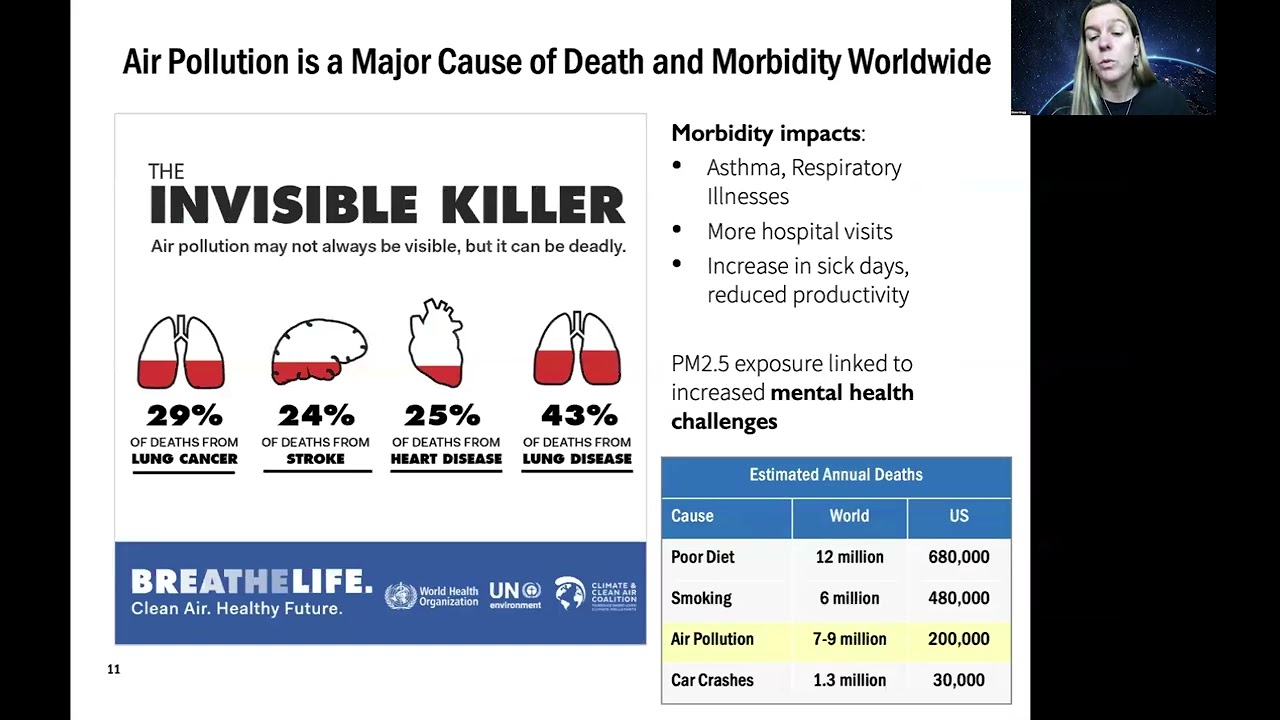
- Air pollution impacts and health effects, including PM2.5
- Water withdrawals, consumption, and contamination by energy systems
- Land use requirements for various energy sources, including biofuels
- Wildlife impacts, focusing on bird deaths from energy infrastructure
- Mitigation strategies and regulations for wildlife protection
- Conclusion and invitation to explore more resources
Cited Sources
- Diana Gragg's Stanford Profile — Presenter's credentials and background
- Understand Energy Newsletter — Sign-up for monthly energy updates
- Energy, the Environment, and Justice Page — Further content on energy and environment
- Interview with Diana Gragg — Additional video featuring Diana Gragg
Concurring Sources
- IPCC Special Report on Climate Change and Land — Supports land use impacts of energy and agriculture
- WHO Ambient Air Pollution — Confirms health impacts of air pollution
Dissenting Sources
- No discordant sources found — The video aligns with mainstream scientific consensus; no conflicting sources identified.
Contribution & Novelties
The video provides a concise, structured overview of the environmental impacts of energy systems, synthesizing key concepts such as ecosystem services, tragedy of the commons, and the trade-offs between different energy sources. It is particularly useful for building energy literacy among non-experts, offering a framework to evaluate energy choices. The presentation of water consumption and land use comparisons across energy technologies is valuable for understanding sustainability.
Pour aller plus loin :
- Ecosystem services — Foundational concept for valuing nature’s contributions.
- Tragedy of the commons — Key economic theory explaining resource overuse.
- PM2.5 — Health impacts of fine particulate matter.
- Life-cycle assessment — Methodology for evaluating environmental impacts of energy systems.
110 words
Radar Profile
The radar profile shows high scores in quality of information and reliability, reflecting the presenter's expertise and accurate content. The quantity of information is moderate, as expected for a 10-minute overview, and the technical level is accessible to a broad audience.