Buildings, Energy and Decarbonization Lecture | Peter Rumsey | Stanford Understand Energy
Keywords
Summary
153 words
Critical Evaluation
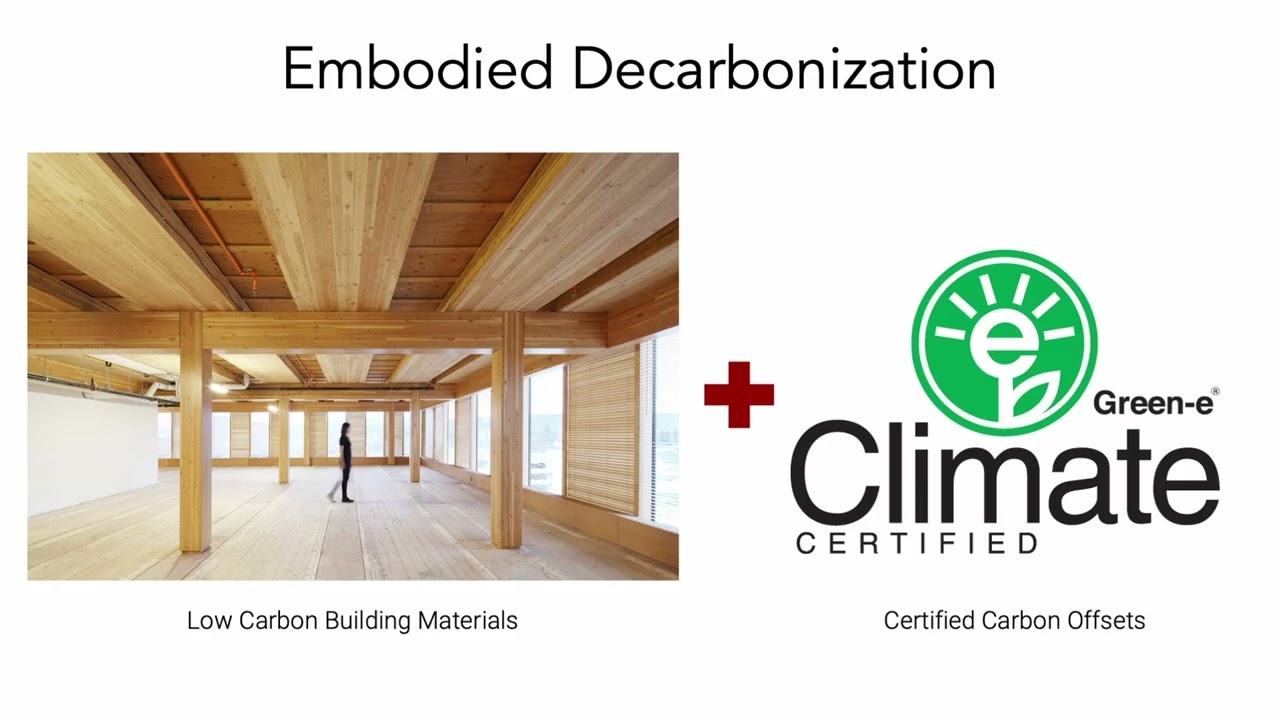
The lecture provides a solid, expert-level overview of building decarbonization, covering both embodied and operational carbon. Peter Rumsey’s credibility is established through his professional experience and academic role, lending authority to his statements. The content is well-structured, moving from problem definition to solutions, and includes practical examples that ground the discussion. However, the lecture is largely qualitative, with few specific data points or citations to scientific literature. While he mentions global emissions figures and some case studies, he does not provide detailed sources, which limits the ability to verify claims. The argumentation is coherent, but it relies heavily on anecdotal evidence and personal experience rather than systematic review. The discussion of embodied carbon is particularly insightful, highlighting the importance of material choices and innovative technologies like CarbonCure. The operational decarbonization section is also strong, emphasizing the need for efficiency first, then electrification, and finally renewable energy. The lecture could benefit from more quantitative analysis and references to peer-reviewed studies. Additionally, the Q&A segment is not included in the transcript, so the interaction with the audience is missing. Overall, the lecture is valuable for its practical insights and clear framework, but it lacks the rigor of a formal scientific review. The title accurately reflects the content, and the presentation is accessible to a broad audience without oversimplifying the complexities.
218 words
Title / Content Match
The title accurately reflects the content, which focuses on buildings, energy use, and decarbonization strategies.
Quality & Reliability
8/10
The lecture is delivered by a recognized expert in building decarbonization, with practical experience and academic affiliation. It provides a balanced overview of embodied and operational carbon, supported by case studies and references to industry practices. However, some claims lack specific citations, and the presentation is largely qualitative.
Chapters
Cited Sources
- Decarbonization Strategies - About — Speaker's company website, providing background on his work.
- Understand Energy - Energy for Buildings — Stanford's educational resource on buildings and energy.
- Understand Energy Newsletter — Sign-up for monthly energy updates.
Concurring Sources
- IPCC Special Report on Global Warming of 1.5°C — Provides scientific basis for climate change mitigation, including buildings.
- IEA - Buildings — International Energy Agency's data on building energy use and emissions.
Dissenting Sources
- Some studies question the carbon neutrality of wood construction — Research suggesting that wood harvesting and transportation may have higher emissions than assumed, challenging the claim that wood is always low-carbon.
Contribution & Novelties
The lecture provides a clear and practical framework for building decarbonization, distinguishing between embodied and operational carbon. It emphasizes the importance of simple, reliable solutions and presents real-world examples. The speaker’s experience adds practical value.
Pour aller plus loin :
- Embodied carbon in buildings — Overview of embodied carbon concepts.
- CarbonCure — Technology for reducing concrete’s carbon footprint.
- Mass timber construction — Wood as a structural material.
- ASHRAE — Professional organization for HVAC systems, relevant to operational decarbonization.
78 words
Radar Profile
The radar profile shows high scores in information quantity and quality, with a strong technical level, indicating a well-informed and substantive lecture. The reliability score is also high, reflecting the speaker's expertise, though the lack of detailed citations slightly reduces it.