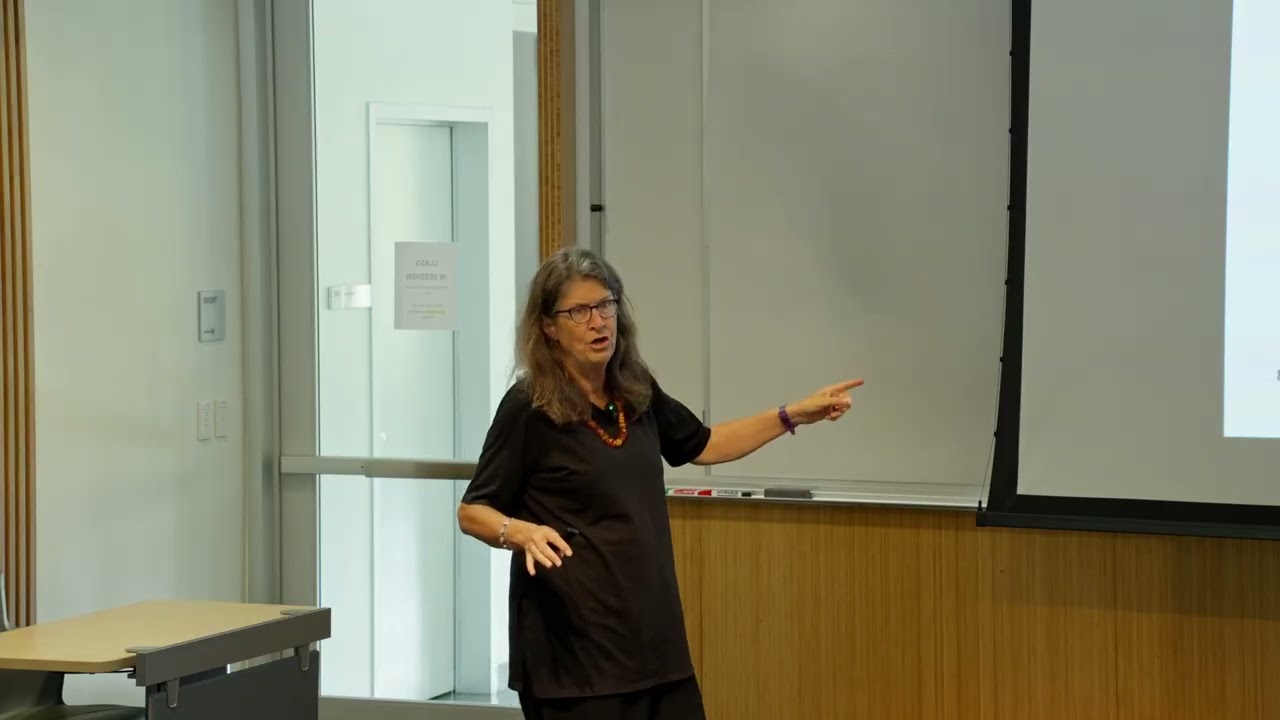
Drilling, Completing, & Producing from Oil & Gas Wells | Jane Woodward | Stanford Understand Energy
Keywords
Summary
149 words
Critical Evaluation
The lecture provides a solid, well-structured introduction to oil and gas well drilling, completion, and production. Jane Woodward, an adjunct professor with extensive industry experience, delivers the content with authority and clarity. The information is accurate and up-to-date, reflecting current industry practices and trends. The lecture excels in explaining complex technical concepts in an accessible manner, using analogies and real-world examples. It covers a broad range of topics, from the basics of drilling to the nuances of hydraulic fracturing and offshore operations. The inclusion of environmental impacts and regulatory considerations adds depth and balance. However, the lecture is primarily descriptive and lacks critical analysis of controversial issues, such as the full lifecycle environmental costs of fossil fuels or the social implications of oil and gas extraction. The speaker’s perspective is that of an industry insider, which may introduce a subtle bias towards the benefits of technological advancements without fully addressing the negative externalities. The sources cited are reputable, including the U.S. Energy Information Administration and Stanford’s own resources, but the lecture does not engage with opposing viewpoints or academic critiques. The title accurately reflects the content, and the lecture is well-organized with clear sections. Overall, it is a valuable educational resource for understanding the technical aspects of oil and gas wells, but it would benefit from a more critical examination of the broader implications.
224 words
Title / Content Match
The title accurately reflects the content, which covers drilling, completing, and producing from oil and gas wells, both onshore and offshore.
Quality & Reliability
8/10
Lecture by a Stanford adjunct professor with industry experience, providing a comprehensive overview of oil and gas drilling, completion, and production. The content is well-structured, includes current data and trends, and references reputable sources like the EIA. However, it is a single perspective and lacks deep critical analysis of controversial aspects.
Chapters
- Introduction
- Oil and Gas Industry Activity
- Onshore Process and Equipment (Drilling)
- Onshore Process and Equipment (Completing)
- Onshore Process and Equipment (Producing)
- Onshore Rig Count and Efficiency Gains
- Onshore Environmental Impacts
- Offshore Significance
- Offshore Equipment
- Offshore Environmental Impacts
- Wrap Up Summary
Cited Sources
- Drilling, Completing, and Producing from Oil and Natural Gas Wells - Learning Hub — The lecture is based on this resource, which provides additional content on the topic.
- Jane Woodward's Stanford Profile — Background information on the presenter.
- Stanford Understand Energy Newsletter — Mentioned as a way to stay updated on energy topics.
- Jane Woodward - Introduction Video — A video introducing Jane Woodward, referenced in the description.
Concurring Sources
- U.S. Energy Information Administration (EIA) — The lecture references EIA data and graphics, which are consistent with the information presented.
Contribution & Novelties
The lecture provides a comprehensive and up-to-date overview of oil and gas well drilling, completion, and production, highlighting technological advancements and efficiency gains. It emphasizes the evolution of well technology and its parallels with other energy technologies. The lecture also touches on the transfer of drilling technology to geothermal and carbon storage applications, offering a forward-looking perspective.
Pour aller plus loin :
- Hydraulic Fracturing - Wikipedia — Provides detailed information on the process, its history, and controversies.
- Horizontal Drilling - Wikipedia — Explains the technique and its applications.
- U.S. Energy Information Administration (EIA) — Official source for energy data and analysis, including drilling and production statistics.
- Offshore Drilling - Wikipedia — Overview of offshore drilling methods and environmental concerns.
119 words
Radar Profile
The radar profile shows high scores in quantity of information and technical level, indicating a content-rich lecture with substantial depth. The quality of information and reliability are also strong, reflecting the presenter's expertise and use of reputable sources. The overall balance suggests a highly informative and credible educational resource.