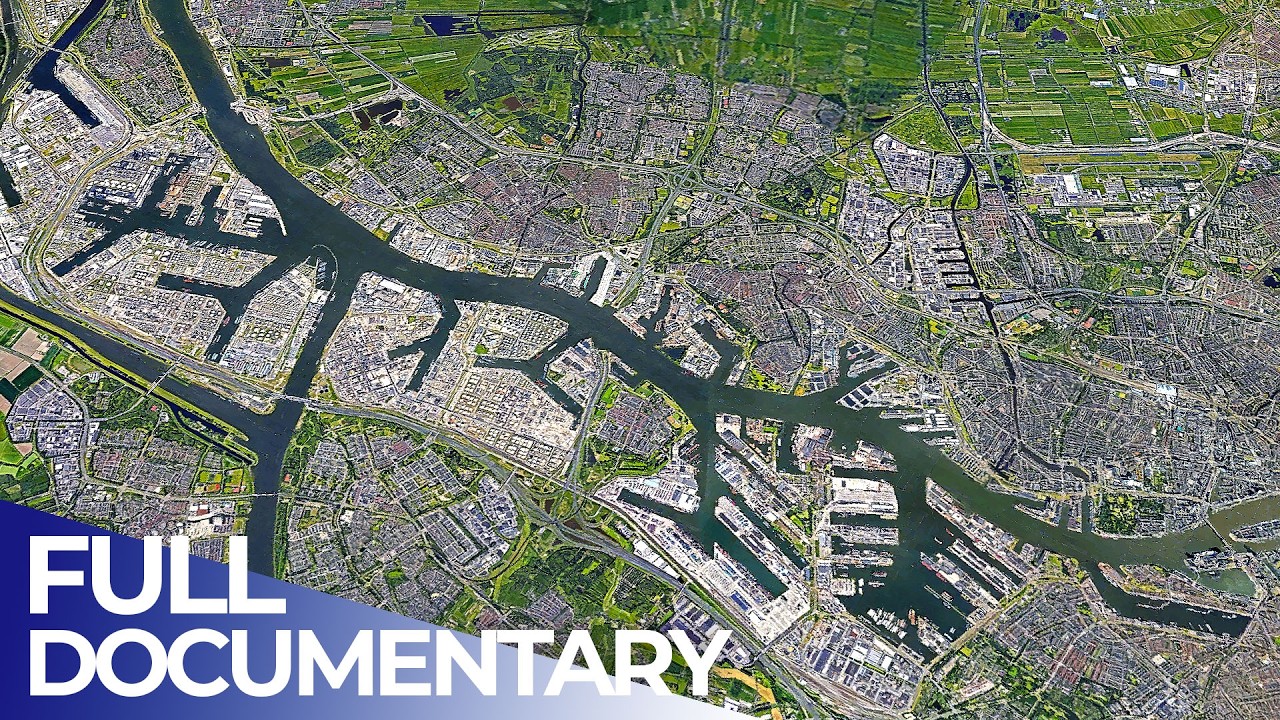
Europe’s Mega Port: The Giant Logistics Hub of Rotterdam | FD Engineering
Keywords
Summary
117 words
Critical Evaluation
The documentary offers a comprehensive and visually engaging overview of the Port of Rotterdam’s operations. It successfully conveys the scale and complexity of the port, using interviews with pilots, harbor masters, and inspectors to provide insider perspectives. The emphasis on punctuality and coordination is well-illustrated through real-time sequences, such as the mooring of the Santa Clara. The technical details, such as the use of automated vehicles and the role of the intelligent computer system, are presented in an accessible manner. However, the documentary lacks explicit references to external sources, which limits its scientific rigor. Some segments, like the dramatic narration and background music, are typical of documentary style and may detract from objectivity. The adéquation between title and content is strong, as the film focuses on the port as a logistics hub. Overall, the documentary is informative and well-produced, but it would benefit from more explicit citations and a more critical examination of challenges such as environmental impact and labor issues.
161 words
Title / Content Match
The title accurately reflects the content, focusing on the Port of Rotterdam as a major logistics hub.
Quality & Reliability
7/10
The documentary provides a detailed look at the Port of Rotterdam's operations, featuring interviews with professionals and showing real processes. However, it lacks citations to external sources and includes some dramatization typical of documentaries.
Key Moments
Markers derived by PSI from the transcript: the creator did not define chapters.
- Maritime pilot Martine Dent boards the Santa Clara to guide it into port.
- Morning conference at the harbor coordination center, where the day's schedule is reviewed.
- The Santa Clara performs a 180-degree turn and reverses into the dock with tugboat assistance.
- Traffic pilots monitor ship movements from the observation post.
- Cargo inspector Ibet checks hazardous materials on a large container ship.
- Overview of the automated container terminal operated by ECT, the world's first since 1993.
- Customs officers inspect containers for smuggled drugs, with Europol estimating half of Europe's cocaine passes through Rotterdam.
- Discussion of the port's expansion plans and its role in Europe's economy.
Cited Sources
- World's Largest Car Terminal - Inside the Giant Car Port of Bremerhaven — Related documentary from the same channel, mentioned in the description.
Concurring Sources
- Port of Rotterdam official website — Provides official data and information about the port's operations, consistent with the documentary.
Contribution & Novelties
The documentary provides an inside look at the Port of Rotterdam’s operations, highlighting its scale and the importance of punctuality. It showcases the world’s first automated container terminal, which has been operational since 1993, and explains how automation improves efficiency. The film also touches on security challenges, such as drug smuggling, and the role of customs. It offers a unique perspective on the coordination required among pilots, harbor masters, and other staff to keep the port running smoothly.
Pour aller plus loin :
- Port of Rotterdam official website — Official information about the port’s operations and statistics.
- Automated container terminal — Overview of automated terminals and their technology.
- Europol — European agency that estimates drug smuggling statistics, as mentioned in the documentary.
122 words
Radar Profile
The radar profile shows high scores in quantity of information and global reliability, reflecting the documentary's comprehensive coverage and credible presentation. The technical level is moderate, making it accessible to a general audience while still providing detailed insights.
💬 Positif. Sur les 30 commentaires analysés, les téléspectateurs expriment une appréciation générale pour le documentaire, avec des éloges sur son contenu informatif et sa qualité de production, bien que certains critiquent le doublage vocal et préféreraient la langue originale.